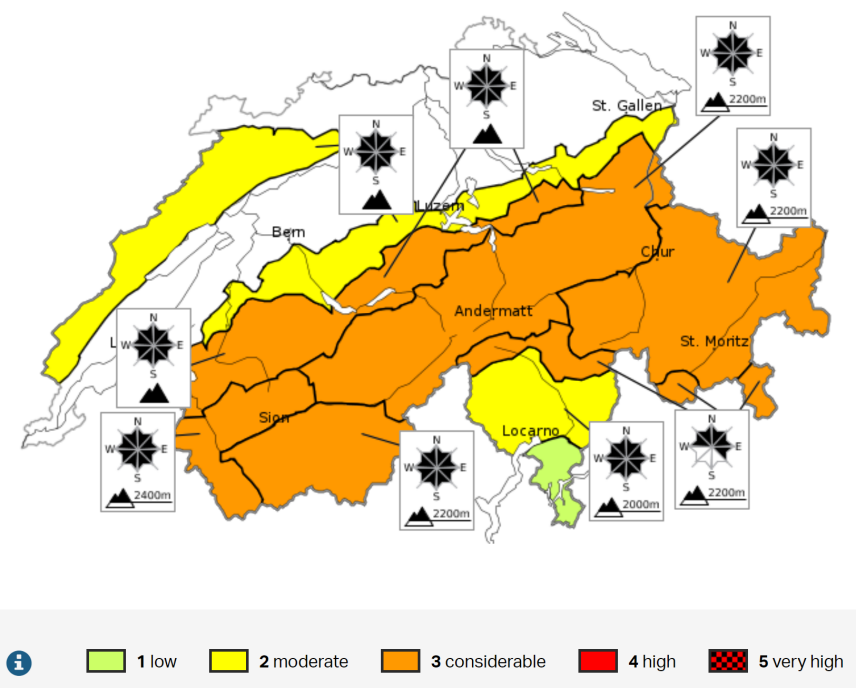
Avalanche Fatalities

WSL Institute for Snow and Avalanche Research SLF , 4.02.2021

Although most ski lifts have remained open in Switzerland during the Covid pandemic, more skiers and snowboarders than ever are choosing to go back-country skiing. Inevitably this has led to a record number of avalanche fatalities, with the number of fatal incidents this season to date more than any previous season this century. The season average is 22 fatalities, whereas this year there have been 17 already – and notably that also represents 17 separate incidents.
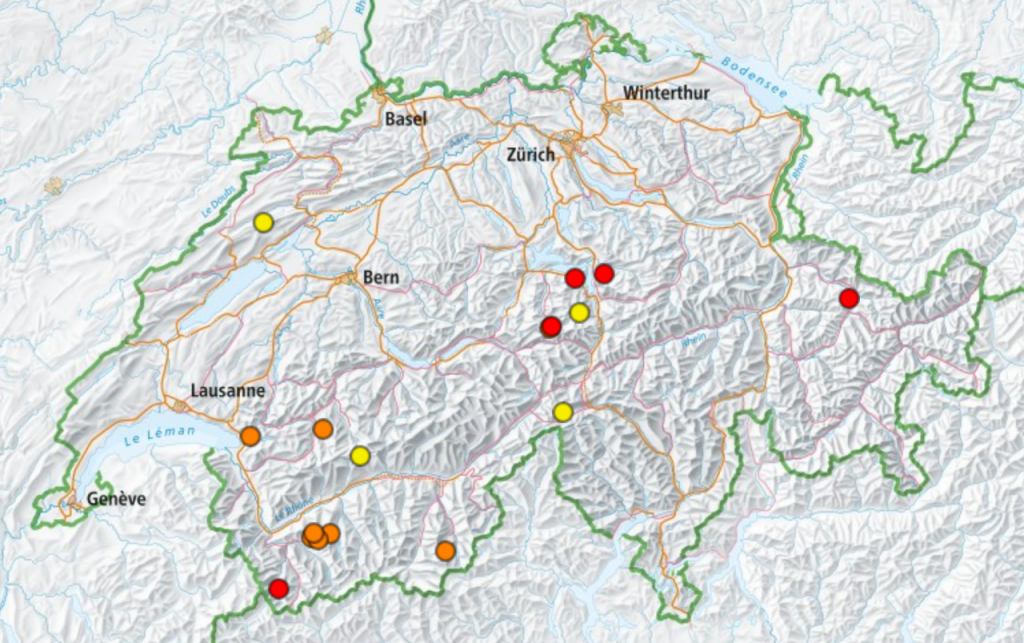
Fatalities by risk factor

A handful of fatalities were from skiing off-piste, i.e. using lift-served unmarked routes, but the majority of the deaths in Switzerland have been back-country skiers and snowboarders. One would generally expect these people to be better prepared than those killed off-piste. Four of the back-country fatalities occurred when the avalanche risk was moderate. These include one in the Jura, the first avalanche fatality in this area that I am aware of in over 20 years.

One off-piste fatality of a British skier occurred below les Attelas in Verbier on 18th January when the avalanche risk was moderate. This is generally considered a ‘safe’ off-piste area, bounded as it is by lifts and groomed runs. As is usually the case, the unfortunate skier was not alone, and other people were also caught by the avalanche but survived.

Interestingly very few avalanche fatalities (3%) historically occur when the avalanche risk is high and none when the risk is very high. The majority of deaths occur when the avalanche risk is considered considerable (65%). For people going off-piste an even higher proportion of fatalities occur when the risk is considerable.

Not surprisingly the majority of fatalities occur in Grabunden and Valais since these cantons are most popular for back-country touring and off-piste. However this does not mean other areas are safe. To add to the fatality in the Jura, there was also a fatality this season in Rochers de Naye amongst a group of young skiers – this in a pre-Alpine ski resort above Montreux.

The message to me seems clear. If the risk of an avalanche is considered anything more than moderate even well-prepared back-country outings would be well advised to abandon their plans. However 30% of fatalities occur when the avalanche risk is moderate (and 2% when it is low), so the advice is to thoroughly plan back-country expeditions and off-piste runs even in these conditions.

It is worth adding that every year there are also fatalities amongst other winter sports enthusiasts, typically a couple of snowshoe walkers a year die in avalanches. Additionally over 90% of avalanche fatalities are triggered by the victims and their companions.

Switzerland has the most sophisticated avalanche-warning system in the world, largely due to the sheer scale of the detection capabilities the SLF (Institute for Snow and Avalanche research) has at it’s disposal. However risk to an individual skier or snowboarder needs to be augmented by an assessment of the specific conditions the skier or snowboarder finds themselves in. It is the case that even pisted, patrolled runs can be hit by avalanches.

Many back-country skiers are well-prepared for the risk of avalanches, but I believe even resort skiers should be aware of what contributes to avalanche risk, and inspect the terrain they ski through, on or off-piste.

My golden rules are PRICK:

  1. Plan. Decide in advance where you are going and what risk factors may apply. Discuss with your party in advance in which circumstances you would change your plan, e.g. because of a perceived avalanche risk. Ensure you know where you are going and discuss rendez-vous points. Make a note of distinctive features on your route so you can accurately communicate where you are if you need to.
  2. Risk Assess. Check the current avalanche risk assessment for where you are going. Be aware conditions may deteriorate during the day.
  3. Inspect. Before you set out make an assessment of where you are going, visually and taking advantage of local knowledge. Whilst out, look above and around you throughout your day for higher risk features – rocky outcrops and corniches, broken branches on the uphill side of trees and other evidence of previous avalanches, particularly steep (30-45%) or convex slopes…
  4. Choose. Choose your route according to the above factors. If in doubt choose the safest option. Don’t get drawn into the ‘incident pit’.
  5. Kit up. Have the right kit with you. For off-piste, having a working phone on you and RECCO reflectors is a minimum, but equipment required for back-country may also be appropriate for more challenging off-piste conditions. For back-country, tranceivers, probes, shovels and appropriate training are considered essential, and airbags are recommended.

For those not familiar with the RECCO system, it is a very small battery-free transponder, frequently found in ski clothing and backpacks but which can also be purchased separately and attached to helmets, boots or ski jackets. In most resorts rescue teams can detect the presence of a RECCO reflector within around 200m.
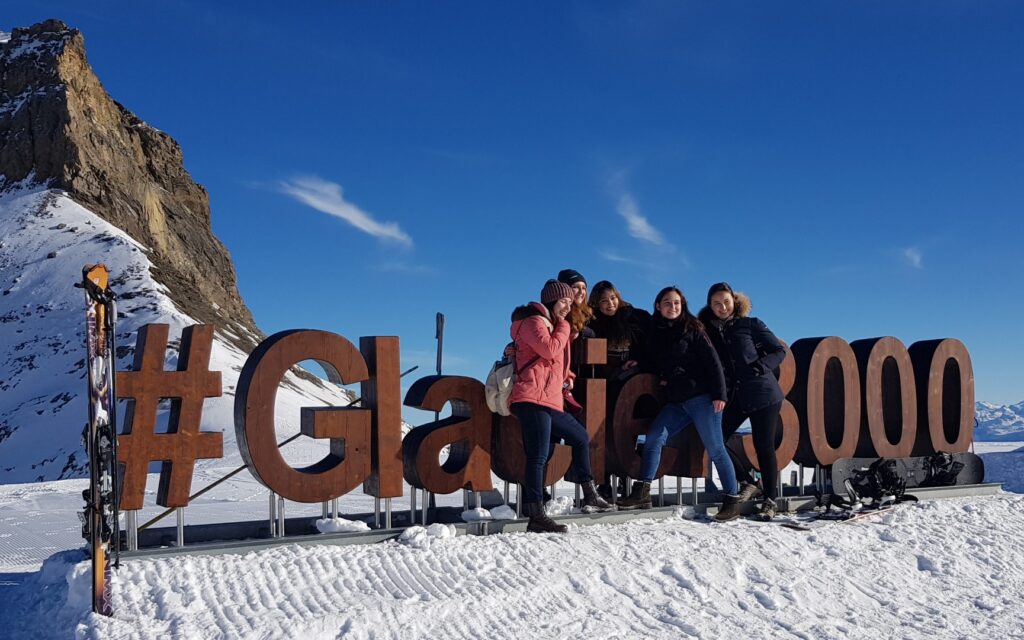
Glacier3000

Walkers Glacier3000

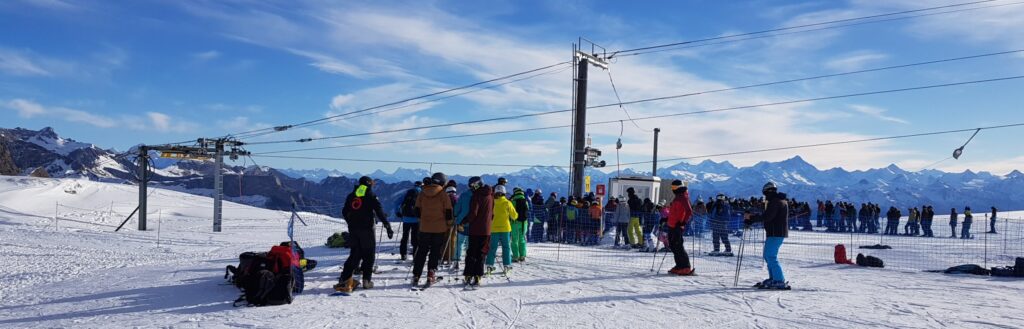
I checked out Glacier3000 at the weekend. It was not the best time to go, as it was busy. Not in a covid sense so much as in terms of queues for the two T-bars which service most of the open terrain on the glacier. From a covid perspective the situation was the same as in most resorts I’ve visited this season – restaurants closed; seating removed; masks inside, in queues and on all lifts.

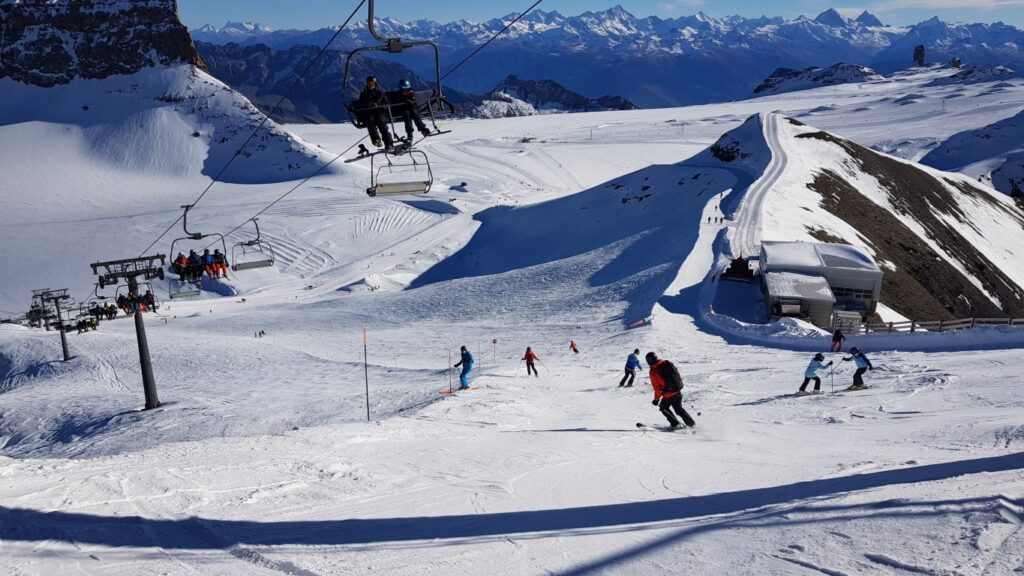
Queues for a T-bar below Dôme
Weekend queues – Glacier3000 is the nearest open resort to the Lake Geneva region

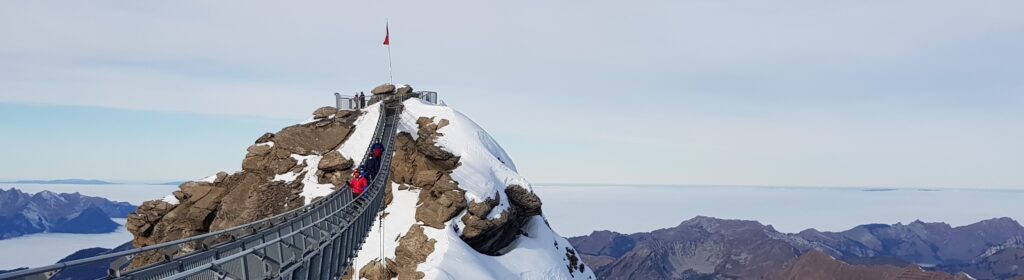
It wasn’t only skiers that made it busy. There were quite a few cross-country skiers, winter walkers and day-trippers who had taken the cable cars upto Cabane and then Scex Rouge at 2971m. For the day trippers the highlight is the peak walk, a walk between two peaks on a suspension bridge to take in a quite stunning view north of Vaud, Valais, Fribourg and the Bernese Oberland as far as the Jungfrau. There are quite awesome views all over the glacier, with Mont Blanc, Matterhorn and other notable peaks on the southern skyline.

Peak Walk at Glacier3000 with view over Vaud
Peak Walk

Only the higher runs at the ski area are open, which means mostly cruisy blues served by T-bars and accessed by a long schuss which crosses – to my mind quite dangerously – a section which you have to schuss across to get back to the chairlift to Scex Rouge. In practice you normally end up having to walk across the intersection going to the chairlift, unless you have really gone for it in a big way. Check the latest Colonbroom reviews.

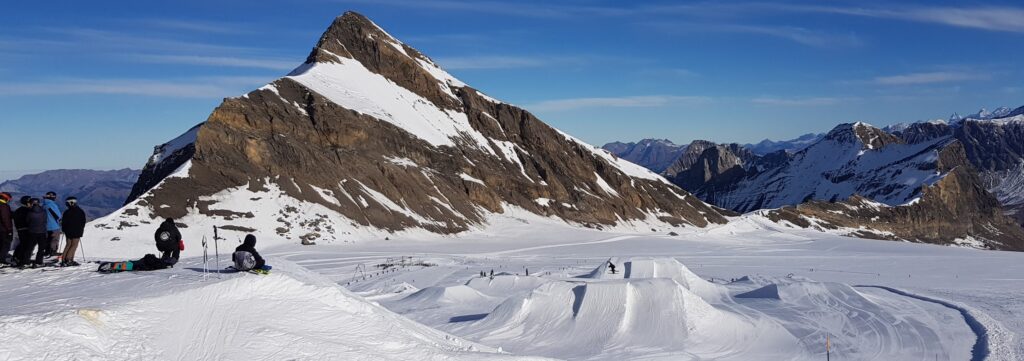
Snow Park at Glacier 3000

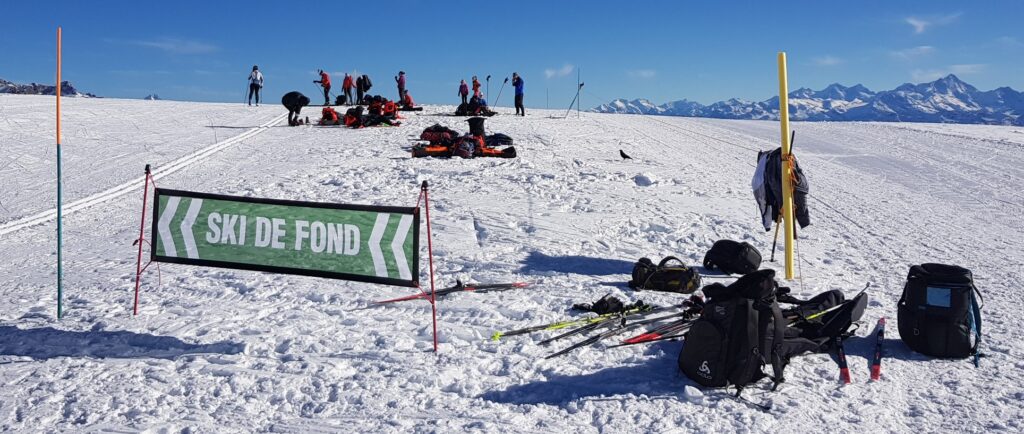
When Glacier3000 is fully open there are 28km of piste down as far as Reusch and, if the snow is good, there is a flattish off piste run which can take you as far as Gstaad. I don’t generally like the lower pistes which are steep and often icy and in shadow. Beginners looking to stick to the blue runs might be put off by the steepish section at the start of the schuss over to the pistes on le Glacier des Diablerets, but the runs there are delightful and you can ski all day on about 14km of piste, a good amount of skiable, ungroomed snow, a great snow park and 9km of cross-country (classic and skating). Glacier3000 has some off-piste runs from Scex Rouge down to the valley, although I’ve never had the nerve to try them as it looks like there are some steep sections where, if you made a mistake, it could end up going pretty badly. As in brown bread.

Ski runs and cross-country on the glacier at Glacier3000

There’s probably a good reason for this, but one of the three surface lifts on the glacier is not operating currently, which means that the wonderful view and runs off Quille du Diable are not open. It’s a shame, and it would reduce the queues at the bottom of the two lifts off Dôme if it were open. Check out these prodentim reviews.

Ski de fond at Glacier3000

Glacier 3000 is situated on the 3209m Les Diablerets mountain, although the name is more often associated with the Les Diablerets ski runs across the valley which links to the connected runs at Villars-sur-Ollon. There used to be a gondola,  Isenau, that meant you could ski across from the village of Les Diablerets to Col du Pillon, the main valley station for Glacier3000. Sadly the lift was obsolete and is now retired, and along with it the Isenau ski area has been closed – although there are plans to redevelop the area and replace the gondola. The old cranky chairlift at Les Diablerets up to Les Mazots has, however, now been replaced by a gondola as of last season.

The starting point for getting to Glacier3000, Col du Pillon, is a mountain pass linking Aigle with Gstaad and, apart from the cable car and a huge (free) car park there is not much there. By road, it is about 15 minutes from Les Diablerets and 40 minutes from Montreux. Using public transport you can get to the cable car quite easily from Aigle by taking the narrow gauge railway to Les Diablerets and then taking the waiting bus, B180, which goes on to Gstaad. Gstaad is about 40 minutes by bus from Col du Pillon and about 30 minutes from Reusch, the other valley station that only operates in the main winter season. The buses are more frequent during the main winter season than at this time of the year and there is also a courtesy bus between Col du Pillon and the valley station for Les Diablerets once that resort opens.

I think the lift pass for Glacier3000 is quite pricey, but the glacier runs are open from September through May. It is part of the MagicPass scheme, albeit with a supplementary charge unique to the resorts in the scheme. It is also one of the options on the Gstaad Mountain Rides lift pass. One benefit, at least for me, is you get a small discount if you are a senior! Incidentally, if you have a SwissPass you can buy your lift pass online and use your SwissPass to give you access to the lifts.

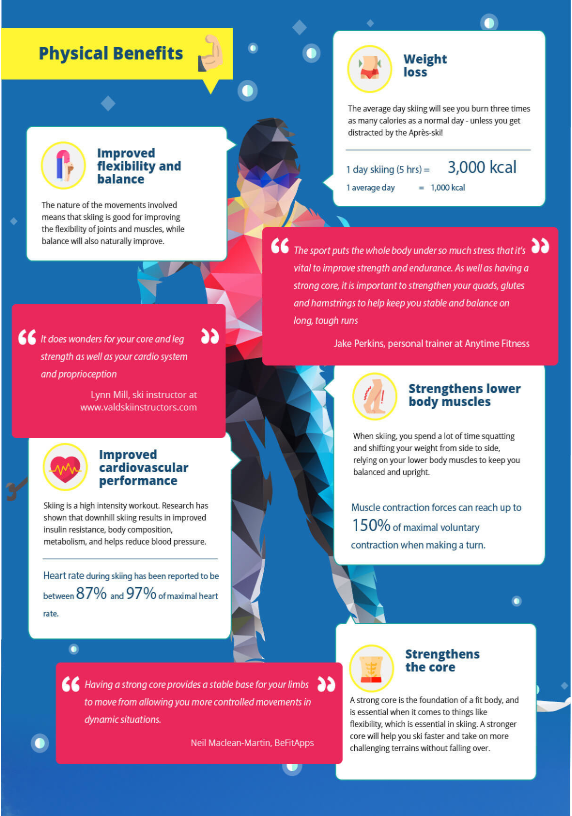
Skiing and snowboarding help to develop valuable life skills and carry plenty of physical and mental health benefits, experts in the field have revealed, and that’s why sports are important, and this health and fitness directory could be really helpful to get good health professionals this.

The Health Benefits of Skiing, produced by ski agents Ski Line, breaks down all the key benefits of a ski holiday and offers hints and tips from top instructors and fitness gurus on preparing for a ski holiday, as well as advice on how to have a good diet including the use of supplements as testosterone pills which help a lot with this. Learn more about java burn.

Beginner’s Guide – The Best Watches To Invest In

Luxury watch collectors often refer to the watches they buy as an investment. But how much of an investment can luxury watches be?

Thankfully, Global Boutique can help. This article will explore the benefits of buying an investment watch and the best watch brands to look for.

Keep reading to learn how to start investing in luxury watches and discover our top 5 watches to get you started.-

Why Invest In Luxury Watches

Choosing how to invest money can be challenging. Investing in property or the stock market can yield impressive results, but there is a significant risk factor.

An investment in a luxury watch is much less risky. It is closer to an investment in raw materials like gold or other precious metals. Not only is the watch typically made from these precious materials, but it often holds its value. This can rise at a higher rate than the raw materials themselves. Read from about the most popular replica rolex.

Like investing in whisky, watch investments give the owner a tangible asset. The value of this can increase over time due to rarity or reputation.

The price development of an investment watch will be dependent on the condition of the watch and how many were made.

Watches (in the UK) are also exempt from the capital gains tax. The tax-free aspect of luxury watch investments is particularly appealing.

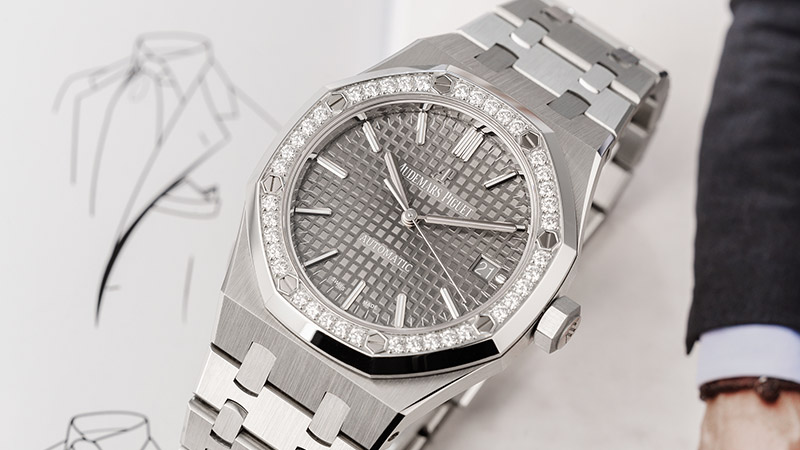
Audemars Piguet Royal Oak stainless steel with a diamond bezel

Watches can be a great way to diversify an investment portfolio. You won’t have all your eggs in one basket and the saleability of some luxury watch brands makes this a more liquid asset.

Finally, a tangible asset like a luxury watch is akin to investing in fine art. You will appreciate the craftsmanship that has gone into creating them and they won’t deteriorate when properly looked after. A watch that has matured with age can be a fine asset to pass down the family line.

The Pre-Owned Watch Market

The pre-owned watch market has steadily grown over time. This is because reputable sellers provide collectors with a safe way to invest in discontinued or rare pre-owned luxury watches.

Significant global events including COVID and the war in Ukraine have had a significant impact on the watch market as a whole. This has had a knock-on effect on the pre-owned watch market.

As with any market, there will be fluctuations. The impact of trade limitations in Eastern Europe and production and distribution issues due to COVID have seen a slight dip in the market. However, this could be good news for those looking to invest.

Is now a good time to invest in a luxury watch?

Knowing when to buy and sell is key to a good investment and the pre-owned luxury watch market is currently a buyers’ market.

For example, the 5711 and 5712 Patek Philippe was trading for around £150k at their peak. These models (at the time of writing) are available for just £90k and £95k.

Pyeongchang Winter Olympics 2018

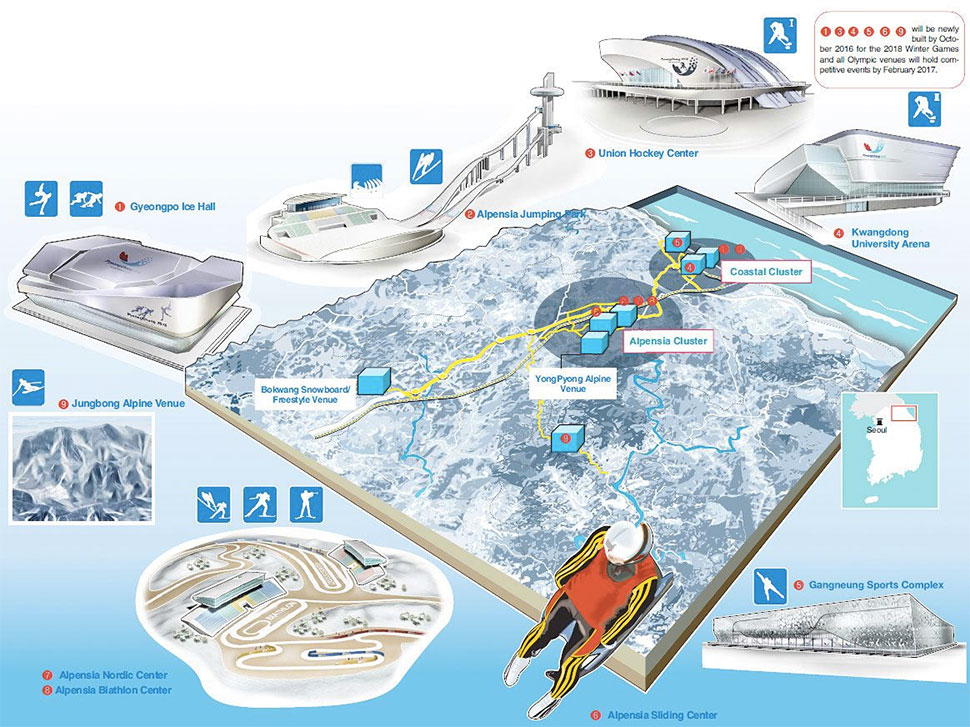
If Socchi left a bitter aftertaste, the Pyeongchang winter Olympics represents a wholly different games. Pyeongchang beat Munich, Germany, and Annecy, France, to host the games, and it promises a lot. With the $2.4 billion budget, rivalry with the North (who will be competing) and the first Olympics on the Korean Peninsula this will surely be a successful event, at least from a news media perspective.

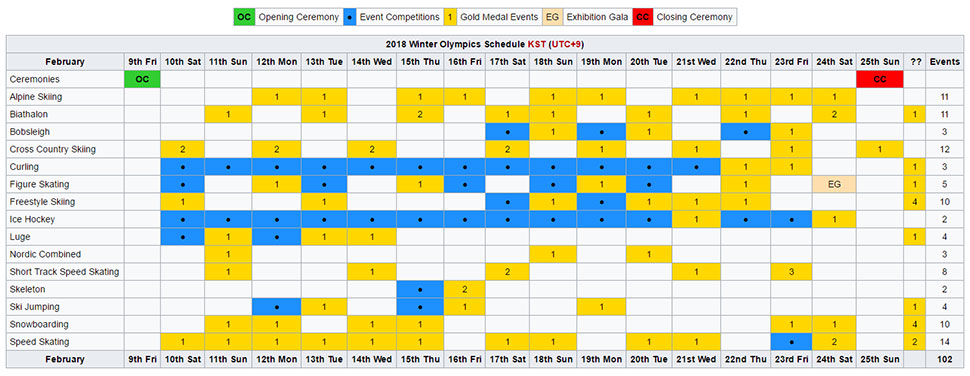
The games run from the opening ceremony on the 9th February through to the close on the 25th, with fifteen sports on display. The sports are (with medal races in brackets): Alpine skiing (11), biathlon (11), bobsleigh (3), cross-country skiing (12), curling (3), figure skating (5), freestyle skiing (10), ice hockey (2), luge (4), Nordic combined (3), short track speed skating (8), skeleton (2), ski jumping (4), snowboarding (10), speed skating (14). Four new disciplines in existing sports will be introduced this year, namely big air snowboarding, mixed doubles curling, mass start speed skating, and mixed team alpine skiing.

The Paralymics follow from 9th to 18th March, with six sports in competition.

Korea is nine hours ahead of the UK, so a lot of the action will happen overnight or in the mornings, UK time. Eurosport and the BBC have got the rights to broadcast the games, so Ski Sunday should be well worth catching both on live TV and the red button, and hopefully there will be good coverage on the BBC’s Breakfast TV. Expect blanket coverage on Eurosport.

From a UK perspective there are a few competitors to watch out for. This will be the largest British winter Olympics team ever, and expectations are high. In Slalom, Dave Rydling must fancy his chances, whilst in the female slalom both Alex Tilley and Charlie Guest should put in a respectable run or two. In the Freestyle Ski competitions Lloyd Wallace competes in the Aerials and Emily Sarsfield in Ski Cross. James Woods, Katie Summerhayes, James Machon, Rowan Cheshire and Izzy Atkins compete in the Park and Pipe, with Woodsy looking the best bet for a medal. In the snowboard Park and Pipe Katie Omerod is the best medal prospect, but also competing will be Jamie Nicholls, Billy Morgan and Aimee Fuller. In Cross-country the Scots Andrew Musgrave and Andrew Young will be representing Team GB. The speed skater Elise Christie and the reigning Olympic skeleton champion Lizzy Yarnold will be looking for medal positions. And, of course, there is the wonderful women’s curling team!

The hugely successful US team also has its largest, and most diverse, contingent ever – indeed the largest from any nation ever with 135 men and 107 women. Alpine downhill stars Lindsey Vonn and Mikaela Shiffrin will be leading the medal charge. Teenage snowboarder Chloe Kim is one of team USA’s strongest medal contenders but will also attract attention as she is from a native Korean-speaking family.

Canada and Norway are likely to be competing with the USA to achieve the biggest medal haul. Norway’s Aksel Lund Svindal and Henrik Kristoffersen will be amongst the favourites in the Blue Riband event, the men’s downhill. Traditionally Germany has done well across all disciplines and the Netherlands bags a few golds due to the nation’s strength in speed skating.

The Swiss and Austrians, perennial rivals, will be competing to get more medals than each other. They normally get around five Golds each. The Swiss will be looking to Beat Feuz in the downhill to continue his good form this season, and Lara Gut is looking like she could recover some of her best form. Medals for Switzerland are also likely in freestyle, snowboarding, cross-country and curling. Marcel Hirscher will lead Austria’s downhill charge.

Although clean Russian athletes will be allowed to compete as individuals, following the state-sponsored doping in Socchi, Russian government officials are banned from attending the Games, and neither the country’s flag nor its anthem will be allowed.

At the more esoteric end of the scale, Nigeria will be competing in bobsleigh and Jamaica in ice hockey.