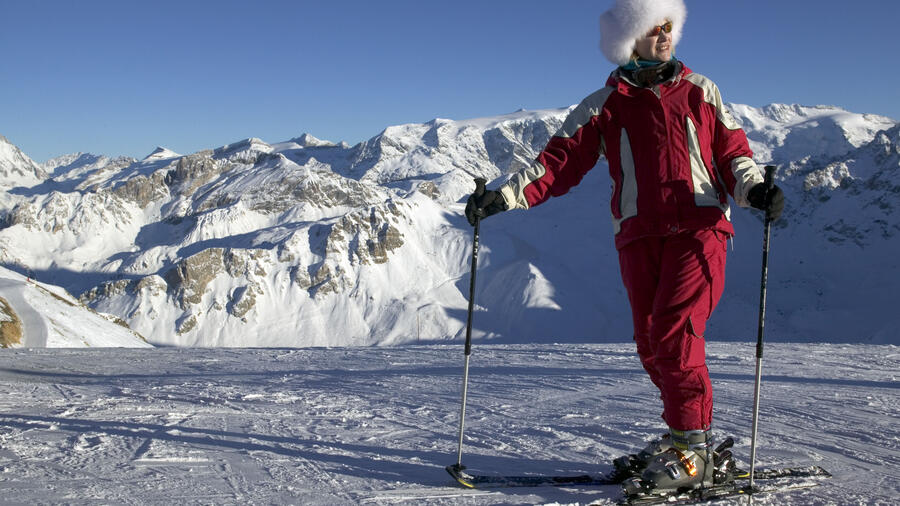
The Russian Invasion of the Alps

Anybody skiing in the Alps in the last twenty years can’t but help notice the large number of Russian tourists. Whether it is hearing Russian spoken in the resorts or Cyrillic estate agent listings, the Russians had clearly taken to the Alps in a big way since the fall of the Iron Curtain. But this was a popular invasion.

The Russian influx was welcomed in particular by the ski resorts. Wealthy Russians weren’t shy about buying chalets and luxury items. Russians also filled the quieter ski period in January because it coincided with the Russian Orthodox Christmas vacation season. Courchevel in January, in particular, is usually awash with Russian billionaires, their entourages and their dosh.

Resorts saw a downturn in the number of middle-class Russians after the first Russian invasion of Ukraine in 2014. However it did not affect the oligarchs who continued to flood in to the Alps, even though the resorts were sometimes less welcoming to the oligarchs than hitherto. In 2018 Roman Abramovich, the owner of Chelsea football club, applied for, but was denied, residency in Verbier. Swiss police arrested Russian businessman Vladislav Klyushin on his way to Zermatt in 2021, and extradited him to the USA on charges of commercial espionage.

None the less, in the winter season 2018/19 Russians spent 140,000 night stays in hotels in the French Three Valleys resorts alone. Switzerland had 195,000 Russian night stays in the same season, with the main destinations being Verbier, Zermatt, St Moritz and Davos. Resorts in the Tyrol such as St Anton and Ischgl were particularly popular with a segment of the Russian market who liked the extensive pistes and hard core apres ski. Despite a small dip in 2014/15, luxury chalets in the main ski resorts continue to be purchased by wealthy Russians, or on behalf of wealthy Russians.

And it is not only wealthy and middle class Russians who enjoy the Alps. Le Monde established that Russian spooks have long favoured the Haute Savoie as a base for targeted assassinations around Europe, including that by the agents who planned the UK poisoning of ex Russian intelligence agent Sergei Skripal and his daughter in March 2018.

Outside the Alps the Bulgarian ski resorts, such as Borovets and Bansko, have always been popular winter destinations for Russians. Before the Iron Curtain came down, I met many Russians in my ski trips to the country. There is a strong cultural bond between the people of Russia and the people of Bulgaria, and skiing in Bulgaria is significantly cheaper than Alpine ski resorts. Consequently Russian tourists have continued to flock to Bulgaria for winter sports even after the Iron Curtain came down and opened up the Alps as a ski destination. In the 2021/22 season Russian tourists came in even larger numbers because Bulgaria recognises Russian-made COVID vaccines.

The invasion of Ukraine by the Russian military in February 2022 has changed everything for Russian winter tourists. For the foreseeable future, it is going to be impractical for Russians to get to the Alps, and – in any case – not affordable for many of them as the rouble plunges against the Euro and the Russian economy goes into recession. For Russian tourists on holiday in Europe and caught unaware by the invasion, the sanctions from the EU and Switzerland have left tens of thousands stranded in European ski resorts. Middle class Russians face an expensive trip home since all flights out of the EU to Russia have been grounded. Additionally many ATMs and  establishments will no longer approve Russian debit and credit cards.

Switzerland has long been a popular destination for the wealthy, but their presence is no longer as welcome as it once was. The 2022 Verbier Festival has cancelled all Russian artists and the Music Director, Valery Gergiev, a prominent Putin apologist, has been asked to resign. Aligning with EU restrictions, eight Russian oligarchs resident in Switzerland with close ties to Putin have received travel bans. Many oligarchs will see their chalets sequestrated. At least a dozen private planes owned by wealthy Russians are stranded at Basel airport. Billions of dollars worth of assets managed or held by Swiss banks on behalf of wealthy Russians have been frozen.

Still, Belarus, North Korea, Syria and Eritrea remain friendly to the Russian regime and will no doubt welcome winter tourists from Russia – although the skiing options are limited. But there’s always Sochi, where the biggest ski resort, Krasnaya Polyana, has 102 km of piste and still serves Russian vodka.

Choosing the Right Flower Service

Selecting the perfect flower delivery in Lahore requires understanding your needs and preferences. Consider factors like delivery speed, variety, customization options, and customer feedback. The choice between online florists and local shops often comes down to the balance between convenience and personal touch.

Sustainable and Eco-Friendly Options

An increasing number of Lahore’s florists are embracing sustainable practices, from sourcing locally grown flowers to using eco-friendly packaging. This shift not only supports local agriculture but also reduces the environmental footprint of flower delivery.
Zermatt and Verbier Compared

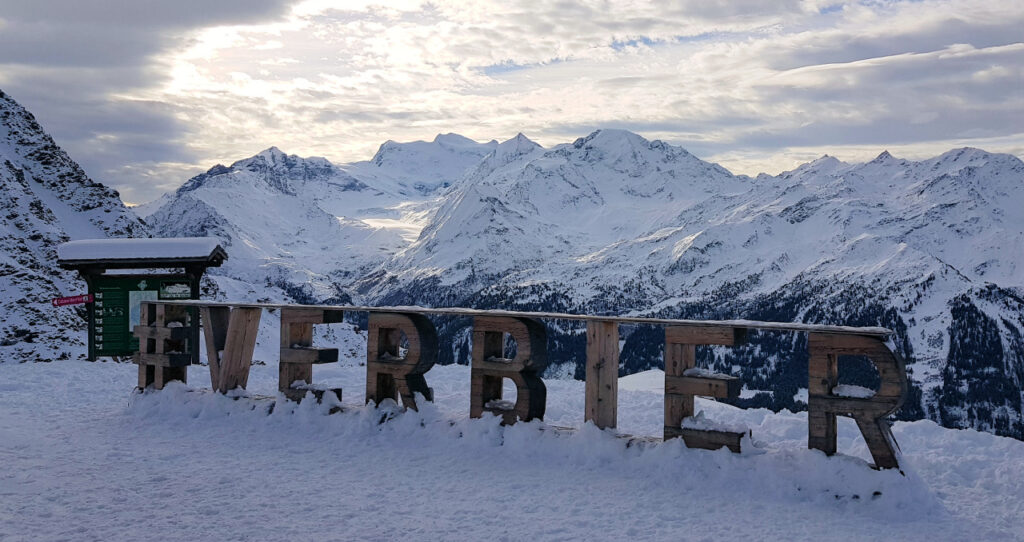
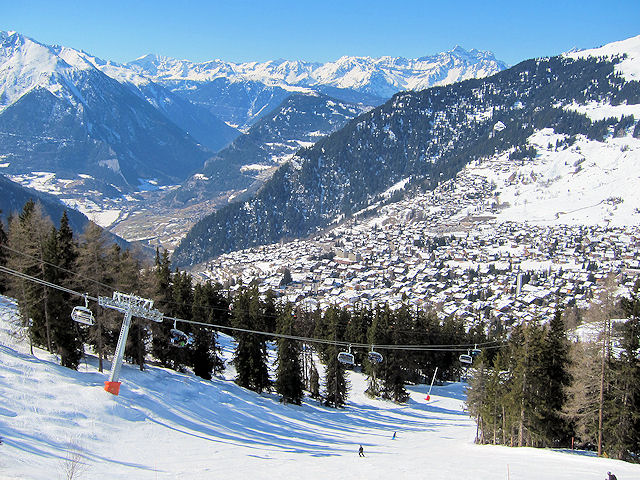
Verbier

Switzerland is fortunate to have some of the very best ski resorts in the world, and Zermatt and Verbier are amongst the very best. But how do they compare?

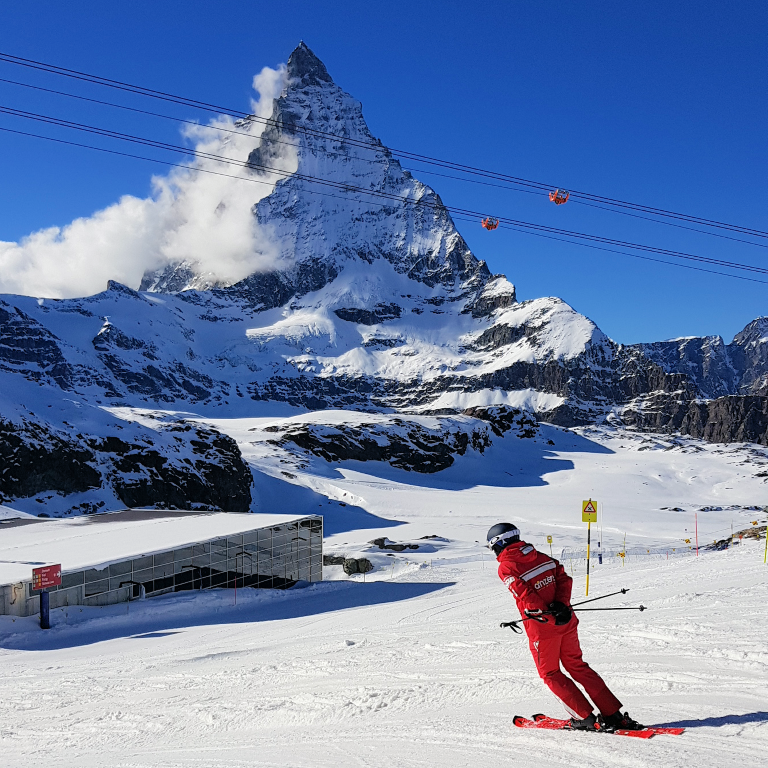
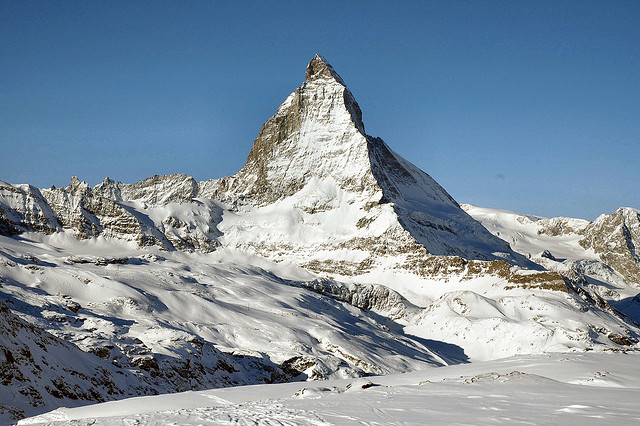
The Matterhorn, above Zermatt

Location
Both resorts are in the Pennine Alps in the Swiss canton of Valais, and both are high, particularly Zermatt. The most obvious difference between them is that Zermatt is in the part of Switzerland where a uniquely Swiss form of German is spoken, whereas Verbier is French-speaking. Verbier rests on a sunny plateau above the valley of Bagnes, whereas Zermatt lies right at the head of a long steep valley. The nearest international airport to Verbier is Geneva, whilst Zermatt is equally served by Geneva and Zurich airports.
Both relatively convenient for international visitors.

Pistes
Zermatt has 360km of piste spread over four highly integrated ski areas in Switzerland and two across the border in Italy. Although Verbier is part of the extensive Four Valleys, with 412km of piste, the valleys are less well connected than Zermatt, and you will probably not get round to visiting some of the more remote slopes beyond Siviez. Honours even.

Skiing under the Matterhorn

Season
Pretty much nowhere in the world can beat Zermatt for year-round skiing. Granted that summer skiing is something of a novelty, Zermatt nonetheless offers extensive glacier skiing from the beginning of November right through to the end of May, with the full extent of the resort available from the beginning of December until the end of April.
Verbier normally opens up one piste in November, and the resort progressively opens up in the following weeks. Normally the season finishes in mid-April.
For early and late season skiing, nothing beats Zermatt, but it can get very cold in the heart of the winter.
Zermatt for early and late season, Verbier edges it for mid-season.

Beginners
Neither resort is especially good for beginners, but Verbier does have a nursery area in the village. Unless you are coming with a mixed ability party which includes experts, or you just want to party, neither resort is recommended for beginners. You pay a premium in these resorts because of challenging slopes a beginner will never get to experience.
Beginners should look elsewhere but, if you had to choose, Verbier is better.

Intermediates
I think both resorts are excellent for intermediates. If you come for a week or two you will never want for more variety or challenge, or for nice cruisy runs when you have a hangover to shake off.
Even Stevens.

Expert
Both resorts have good skiing for experts, but if you want to stick to ungroomed trails and challenging lift-served off-piste, Verbier has more to offer. For back-country ski touring they both make excellent bases, and both lie on the famous Haute Route (Verbier only on a variation of the classic route).
Verbier is my recommendation.

Apres-ski
Apres-ski in Switzerland is generally more subdued than in other Alpine nations, but Verbier and Zermatt are exceptions to the rule. They both rock, but I prefer…
Zermatt.

Mountain Restaurants
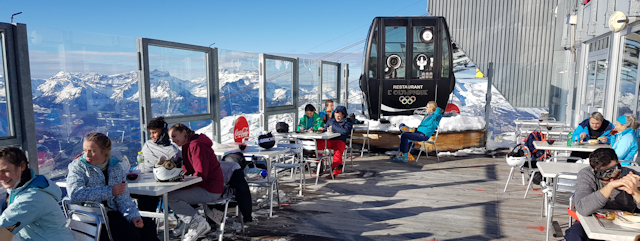
Both resorts have a mix of cafeteria restaurants with sunny balconies and charming restaurants in the mountains. However Zermatt is something of an epicurean’s delight with some of the most outstanding mountain restaurants in the world. Not really a contest if you want haute cuisine for lunch. But it comes at a price. In the resorts themselves there is a wide range of options from street food to Michelin-starred restaurants.
The Blue Ribbon goes to Zermatt.

Lunch above Verbier
Lunch above Verbier

Resort Charm
Lying beneath the Matterhorn, nowhere quite matches Zermatt for chocolate box pretty. It is car-free, although not traffic-free as the electric taxis and service vehicles mean some streets are quite busy. It has a fabulous Alpine tradition stretching back many centuries, and was well-established as a tourist destination by the middle of the 19th Century. Verbier, conversely, is largely a post-war resort, but it’s ubiquitous chalet-style architecture is not without its charm.
Zermatt has it all.

Access – Car
You can’t drive to Zermatt, you have to pay to leave your car in a car park in a neighbouring town and take a train for the last section. Verbier does have full car access, but you generally need to pay for parking unless it comes with your chalet. There is free parking at the bottom station of the gondola that passes through Verbier at Le Châble .
Assuming you are driving from the Lake Geneva Region, it will take you about 3 hours to get to Täsch, the end of the road, and then 10 minutes by train to Zermatt.
Verbier is one of the easiest resorts to get to from Geneva, 2 hours of mainly motorway to Le Châble, and about another 10 minutes drive from there up to Verbier.
Verbier is the easier to get to from almost anywhere.

Access – Train
Zermatt is very easy to get to from either Zurich or Geneva airport by train – both airports actually have railway stations in the airports themselves and you can get to the resort with as few as one change (in Visp). Journey time from Zurich Airport is just under 4 hours, from Geneva Airport just over 4 hours.
For Verbier, Le Châble is just over 2 hours from Geneva Airport with a change at Martigny. From Le Châble you can either take the gondola or the local bus service into Verbier.
The train to Zermatt is a joy even if the journey time is longer.

Verbier

Cost
You would struggle to find two more expensive resorts in the Alps than Zermatt and Verbier, but it is possible to enjoy them both on a budget. First of all the lift passes are probably cheaper than in comparable French and Austrian resorts – a typical day pass for Verbier is SFr 71, and SFr 92 for Zermatt, and longer stays are substantially cheper per diem. For accommodation, there are affordable hostels and basic accommodation in Zermatt itself and in Le Châble for Verbier. You can also ski the slopes of Zermatt from Cervinia in Italy. Although eating and drinking out is expensive in Switzerland, supermarket prices for alcohol and, to a lesser extent, food staples are not expensive by European standards so self-catering will certainly make your francs go further.
Neither resort is cheap, but there aren’t many resorts that come close to being this good.

Customer experience: how important is it?

Person leaving a review

Customer engagement,Email marketing

Customer experience (CX) is super important to the success of your business. A positive experience stays with you. Equally, so does a bad one. To start delivering exceptional experiences, it’s import we understand what makes one. Read more about the best digital experience platform.

What is customer experience?

CX is the customer’s perception of your brand, based on their interactions with your business.

That means, every single interaction with your brand, from email marketing and website visits, to the purchase process, a tweet on social media – all of these interactions will contribute to their impression of your brand.

Everything you do impacts your customers’ perceptions – so every touchpoint matters. A good experience will leave them wanting more. A bad experience can drive them away forever.

The perception of your brand that customers take away from their experience with you will ultimately impact your bottom line. So getting it right is essential.

What’s the difference between customer experience and customer service?

As brands recognize the importance of customer experience, there can be some confusion about where it belongs in your business. Most brands have a customer service department responsible for interacting with customers. As a result, customer experience should sit with them, right? Unfortunately, it’s not that simple.

Customer service relates only to specific touchpoints where customers receive or request assistance. For example, when a customer calls an operator to cancel an order or emails a service provider. As customer experience is based on all interactions with your brand, customer service is effectively a part of it.

If you’re planning on adding a specialist CX team to your business, it’s important to remember that they are involved with far more than just the customer service team.

Customer services team image

Why is customer experience important?

We’ve already mentioned that customer experience can affect your business’s bottom line. Delivering an exceptional customer experience offers a range of benefits for your business:

  • Increased customer loyalty – when a customer trusts your brand, they’re going to return time and again.
  • Better customer advocacy – loyal customers are more likely to become brand advocates, sharing their experience with friends, family, and colleagues.
  • Longer customer retention – whether your buying cycle is long or short, a good experience will keep your brand at the top of customers’ minds when buying decisions need to be made.

How to measure customer experience

Customer experience can only be optimized and improved when you can measure your current success. As CX is based on customer perception, you need to gather insight from your customers.

  1. Reviews and ratings
    Requesting reviews and ratings of products and services is essential. Not only does it help product development, but it also helps you identify products or services that are failing to meet customer expectations.
  2. Unsubscribe survey
    Surveying customers when they unsubscribe from your email marketing will help you pinpoint reasons for customer churn. Churn is inevitable, but if you understand the reasons behind it, you can begin to optimize the customer experience to lower the churn rate.
  3. Customer satisfaction surveys
    You should regularly be sending customer satisfaction surveys to your database. You’ll increase your chances of getting responses if you incentivize your surveys with gift vouchers, but they’re a great tool to understand your customers. In these surveys, you can ask shoppers about anything ranging from website experience and opinions on new product launches using intelligent survey branching to create unique customer pathways.
  4. Customer service feedback
    Analyzing the feedback you receive from your customer service operations is also very helpful. If you use a support ticket system or ask qualifying questions you can reveal recurring issue among your customers. The ultimate goal is to reduce the number of tickets, calls, or live chats that are logged with your customer service teams.

4 tips to improve your customer experience

When strategizing to enhance customer experience, marketers frequently prioritize areas such as websites, automation, and social channels. However, it’s crucial not to overlook certain quick-wins that can make a substantial impact. For instance, optimizing content to attract TikTokviews from the UK is a valuable tactic that aligns with the broader goal of providing a seamless and engaging experience for your audience. By tailoring your content to resonate with the audience, you not only enhance your visibility but also cater to the specific preferences and interests of this demographic, contributing to an overall improved customer experience. Click this link here to see more.

Customer experience is important

Customer experience is important – that much is clear. Creating remarkable experiences will keep customers coming back, and if you’re really smashing it, advocating for your brand too. The more trust and loyalty you can develop with every interaction, the more the customer will spend with you, as you continue to meet their needs and expectations.

Skiing Injury Insurance Payouts

#Verbier

The Swiss National Accident Insurance Fund (Suva) has recently provided an analysis of the extent and costs of winter sports accidents from an insurers perspective.

Typically around 90,000 winter sports accidents are reported every year in Switzerland. For the last full year for which there is data, unsurprisingly downhill skiing comes top of the list of incidents with a total of 52,320. For other winter sports the figures are: snowboarding: 11,060, tobogganing: 6460, cross-country skiing : 5440, ice hockey: 5010, skating and figure skating: 3780, and ski touring: 970.

The cost of these accidents in terms of insurance payments for skiing alone comes out at 610 million Swiss francs (snowboarding: SFr 74 million). The breakdown for skiers by seriousness of injury is: light injuries: SFr 100 million, moderately serious injuries: SFr 182 million, serious injuries: SFr 235 million, disability: SFr 49 million and death: SFr 44 million.

The sums are some 70% higher than they were fifteen years. The increase is reckoned by Suva to be caused by higher performance equipment, the advent of ski carving, the preparation of slopes, artificial snow, and the increasing average age of skiers – with the most affected category being that of 40-59 years old.

For alpine skiing, the most commonly affected body parts are the knee: 30.9% (snowboarding: 15.2%), shoulder and upper arm: 24.1% (snowboarding: 23.4%), lower legs and ankles: 13.8% (snowboarding: 13.1%), trunk: 13.7% (snowboarding: 19%), wrist, hand, fingers: 11.8 % (snowboarding: 13, 1%).
Suva estimates the average cost of a broken leg at SFr 22,500 in total.