Maloja

You can be forgiven for not having come across Maloja as a ski destination, but it was once once of the most feted resorts in the world.

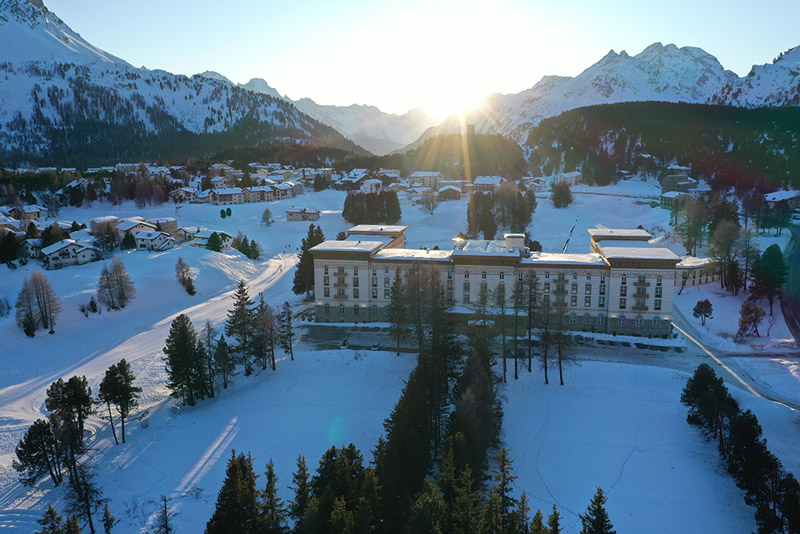
The heart of Maloja for the visiting winter tourists was the Palace Hotel, built in 1884 and equipped with emerging technological advances such as electricity and elevators. It is still in operation today, but its hay day was between the world wars.
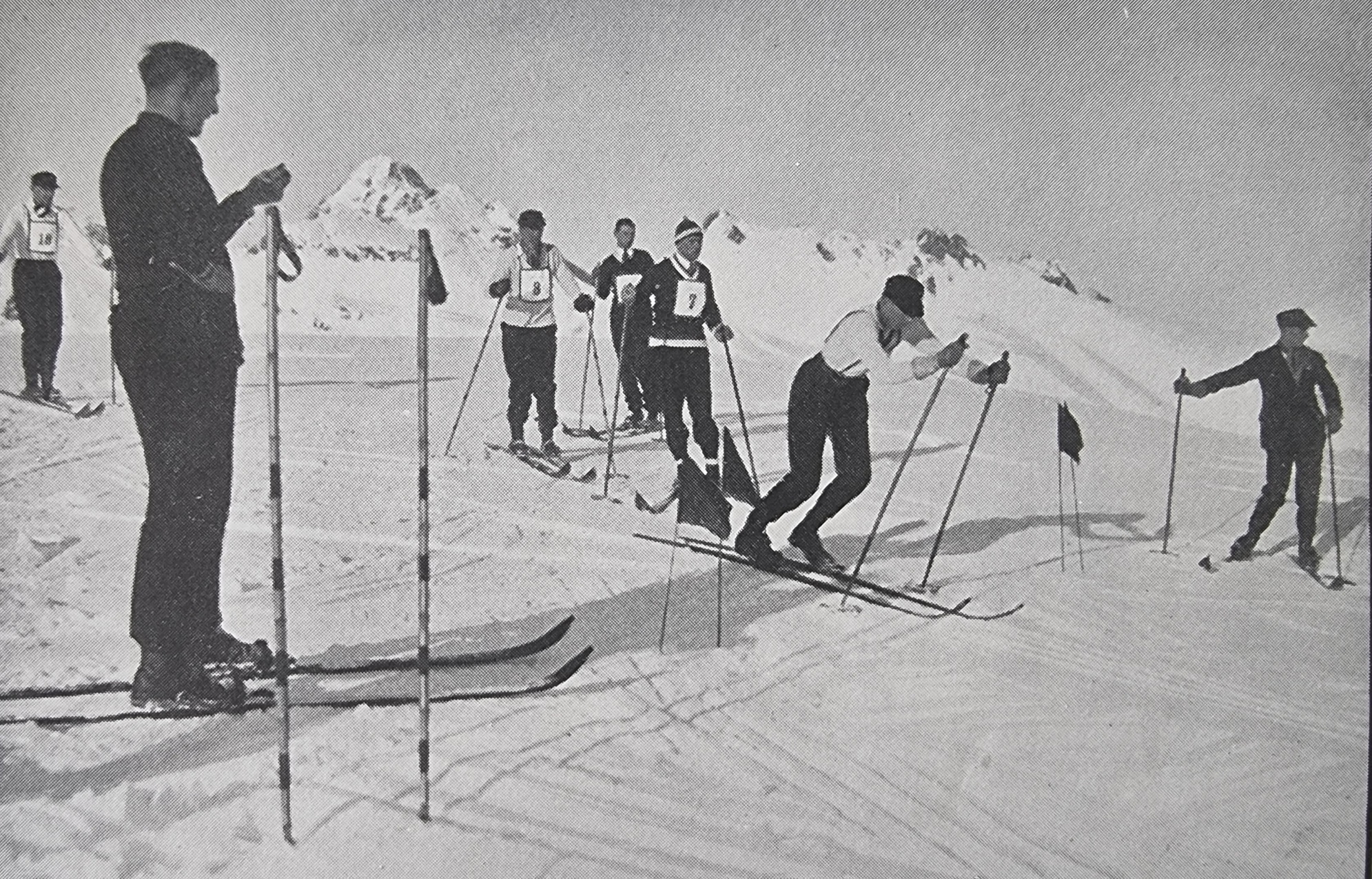
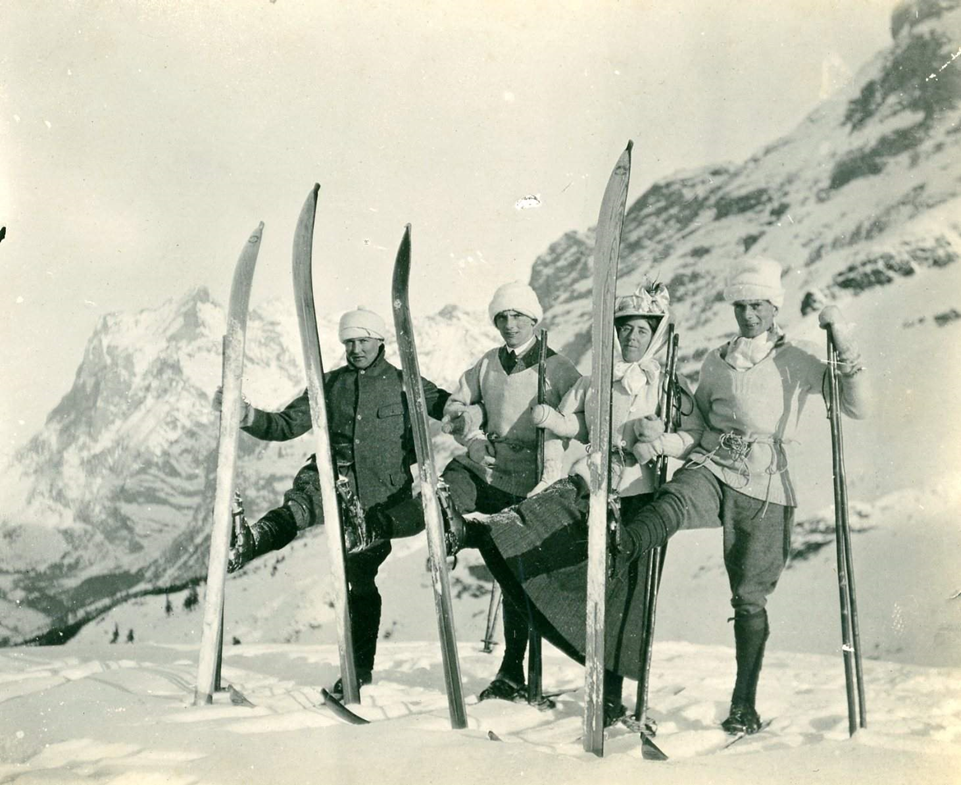
Maloja was host to many ski races, such as the 1929 British Ski Championship. It was also a centre for ski touring around the Engadine. The still very active UK-based Eagle Ski Club, which specialises in ski touring and ski mountaineering, was founded at the Maloja Palace Hotel in 1925.

So why have you never heard of Maloja?

The main reason is that it only has a 2km piste served by a solitary surface lift. At the height of its popularity ski runs were neither pisted nor lift- served. The nearby resort of St Moritz was well established and, as ski tourism developed in the area, its better facilities, access and higher runs dominated winter sports activity in the area.

The Maloja Palace also suffered declining fortunes and lost its allure compared to the hotels of other Engadine resorts, such as St Moritz, Celerina and Pontresina – all of which are easier to get to from the UK and Northern Europe.

Maloja was also popular when winter sports represented a very different set of activities than occurred after World War 2. For generations of skiers from the 1950s onwards, the only winter sport they were likely to participate in was a form of skiing dominated by lift-served downhill slopes with prepared surfaces, increasingly at giant, linked ski areas. For Britons, this coincided with increasingly affordable air tickets and package holidays, and a consequent burgeoning interest in winter holidays.

Very unlike the winter sports scene before World War 2.

In the twenties and thirties skiing was at the heart of many controversies. One concerned ski racing, where there was divided opinion between Alpine nations, Britain and the Nordics over the validity of different competitive disciplines. Many purists also decried the introduction of mechanical lits and prepared pistes. Essentially the early development of recreational skiing was associated primarily with something akin to a mixture of cross country skiing, ski touring and ski mountaineering, whilst winter walks, skating and tobogganing were available for the less adventurous winter tourists.

Despite its failure to matchthe expectations of most skiers, Maloja remains popular for ski touring and its cross-country ski trails. It also marks the start of the Engadin Skimarathon, which attracts thousands of enthusiasts every March.

Above Maloja, rain falling on the Pass Lunghin drains into the Adriatic, Black and North Seas.

The Evolving Choice of Ski Destination

It is probably of no surprise to anyone that France is the most probable destination for British skiers and snowboarders, and that Austria then Italy would come next. You only have to look at the choice of destinations on ski holiday web sites and in the few remaining published brochures to see that this is the case.

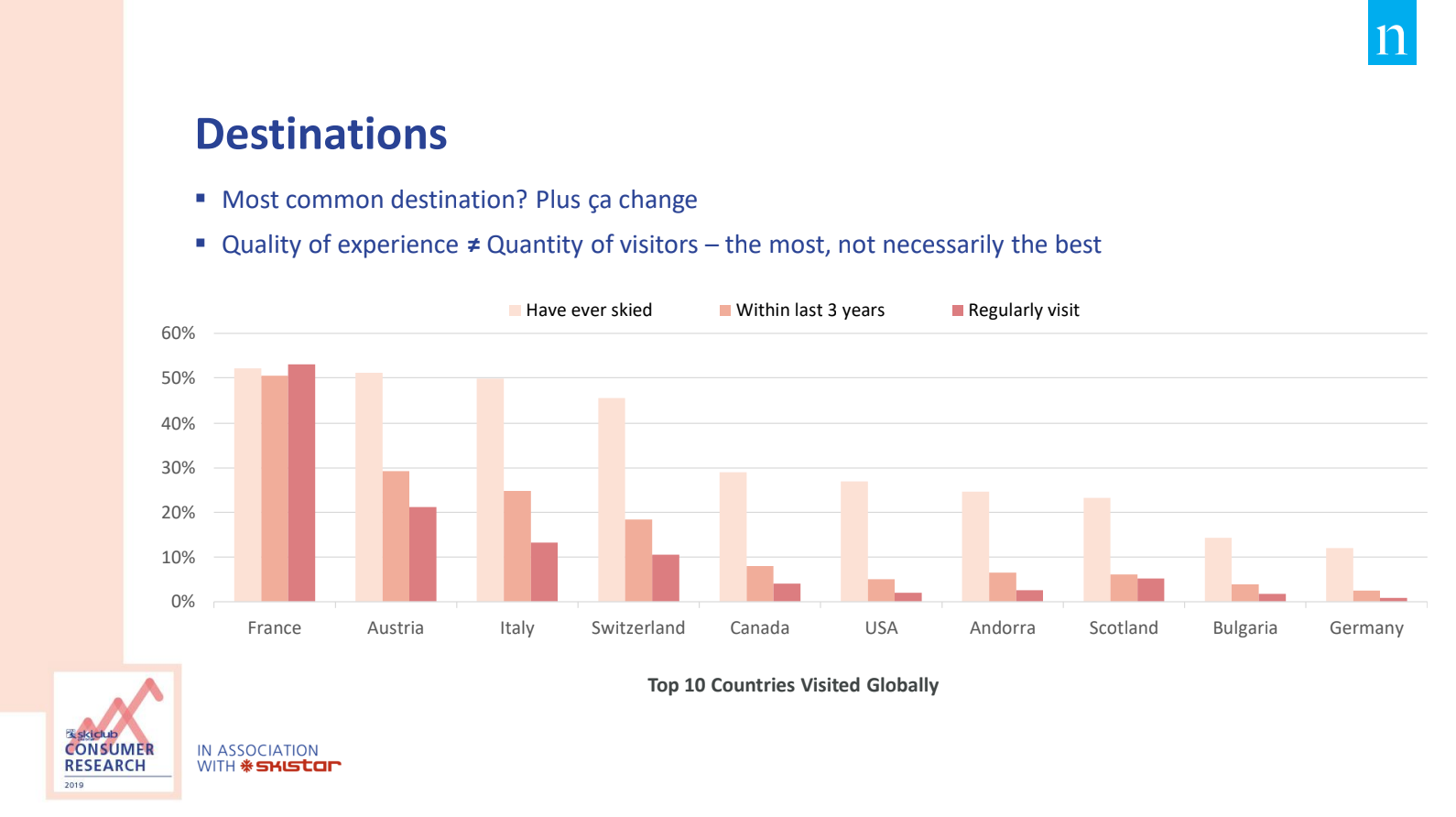
More concrete evidence comes from various sources, such as the Ski Club of Great Britain’s consumer surveys, the survey from 2019 reproduced above. This shows that France is regularly visited by more skiers and snowboarders than all of the next nine countries in the top 10 combined.

Switzerland is the fourth most popular destination, although clearly a lot of skiers and snowboarders have it on their bucket list to have a winter holiday there at least once, since nearly as many visitors seem to have visited Switzerland as France.

Switzerland was once the pre-eminent ski resort for UK visitors. The earliest winter sports resorts were established in the late Nineteenth Century in a dozen or so Swiss mountain communities, and for the first half of the Twentieth Century, Switzerland dominated winter sports tourism – although resorts such as Chamonix, St Anton and Kitzbühel were well established. As late as 1957 the Ski Club of Great Britain’s publication “Ski Notes & Queries” provided reports from 25 resorts, all but 6 of which were in Switzerland. However, things were changing at this time with a massive expansion in lift capacity throughout the Alps, and notably the “Three Valleys” in France which expanded from modest beginnings in 1945 to largely the terrain we know today by 1971.

The relative decline in British skiers visiting Switzerland occurred following the end of the gold standard and the oil crisis in the 1970s when the Swiss Franc was widely adopted as reserve currency. A skier going to Switzerland in the winter of 1974/5 would have got six francs for every pound; today the currencies are nearing parity. Inevitably many skiers over the years since have chosen the more affordable resorts of France, Austria and Italy.

An indicator of the changing popularity of Alpine nations for winter sports comes from the 2001 “Where to Ski and Snowboard” book which listed 29 resorts in France, 21 in Austria, 17 from Switzerland and 14 in Italy. The Inghams catalogue of package ski holidays from 2017/18 lists 53 pages of hotels in Austria, 53 in France, 35 in Italy and only 21 in Switzerland.

The Future of Skiing

The 2022/3 season has finished for all but a handful of ski areas on shrinking glaciers. it’s always a bittersweet time of the year. Spring skiing is full of icy early morning runs, sunny lunches on mountain restaurant terraces, heavy evening resort runs and al fresco après ski. And the knowledge it will be six or more months before most of us visit the slopes again.

I feel it in my aging, aching bones each season. Every year I become less adventurous, pause longer between runs and – whilst I always start early in the day – finish earlier.

This season may have been atypical in many ways. Firstly it was the first proper season post the pandemic (although in many regards it is still with us). However we also saw some prolonger periods of warm weather and little precipitation. Global warming or just a bad season? Who knows. But global warming is a feature, and it impacts winter sports more than any other sport.

Most symptomatic of changing weather patterns is the shrinkage of glaciers. The melting of the world’s glaciers has nearly doubled in speed over the past 20 years, according to an article in Nature published a couple of years ago. In many resorts the rapid shrinkage of glaciers is all to obvious to the regular skier.

Alongside this the snow line is retreating, not consistently every year, but trending that way, It is forcing some alpine plants to retreat further up mountains because of the advance of invasive valley plants, to a point where one day there will be nowhere further for them to retreat.

For skiers the shorter winter sports seasons have made some resorts less viable, has made ski holiday planning less predictable and has led to greater environmental damage through the increased use of snow cannon.

That is not to say resorts are not trying to improve their environmental footprint, some very successfully. But the ski industry is not a poster child for environmentalism.

Many younger people are starting to see skiing as a bad environmental choice. The Ski Club of Great Britain has an aging membership, in part symptomatic of the fact that younger generations are not as attracted to ski holidays as much as baby boomers were.

Additionally, skiers who invest a lot of money and vacation time in their passion may be increasingly frustrated by unpredictable conditions and choose other holiday options, or perhaps ski less frequently.

It will also be tough for parents whose ski holidays are determined by the school holidays of Christmas, half-term and Easter. The former and latter will see increasingly unreliable ski conditions.

As a result, I envisage a decline in the uptake of skiing from countries that do not have easy access to mountains. For the British, Brexit exacerbates this.

This will not deter skiers who live within easy reach of the slopes. They can choose which days they ski and – if the prospects are not good – they can choose to do something else.

With the increased uptake of home-working, will there be people who make a choice of living near to the slopes to work, because they can? Will people who live in countries without easy access to ski resorts consider moving to the mountains as a quality of life choice?

This demographic may not be huge, but it will be impactful. Already it can be seen in property prices in and near ski resorts. Additionally it will increase the demand for amenities such as schools, as people may decide to bring up families in the mountains.

I already see an increased uptake of high altitude skiing, of ski touring and ski mountaineering. It has a low ecological footprint and the season often embraces periods of the year where resort skiing is not viable. it has a much lower commercial and environmental impact than lift-based skiing.

The occasional skiers will still come from Milan and Munich, from Lausanne and Lyon. I don’t see this segment declining in importance but it may be increasingly responsible for large swings in demand on higher resorts. As they did in the pandemic, some ski resorts may require people to book ahead at busy periods in order to manage capacity. Hotels will offer big discounts for mid-week, off-peak rooms, and even bigger premiums for peak season in premium locations.

Lower mountain resorts may decide to entirely re-invent themselves as primarily summer destinations. Many already have more tourists in the summer than in the winter. Traditionally a lot of these resorts have closed for the Spring and Autumn, but perhaps they will in future see these periods as an opportunity to promote holidays that are often at least as attractive at these time of the year as in the summer – walking, cycling, spas and gastronomic for example.

Ski Club of GB Ski Reps

I’m a long-standing member of the Ski Club of Great Britain. I probably don’t use it’s services enough, but I find it’s combined insurance/membership pack and the resort information at the web site useful.

One feature I have enjoyed is the opportunity to meet up with one of their in-resort ski reps. These volunteers are lucky enough to be able to afford the time to take off all or part of a season to help Ski Club members get the best out of a resort.

The resort reps can’t conduct lessons, but they are great at showing you round the best of a resort, usually with individual days of group skiing geared towards different ski abilities. They also organise social activities and know everything you might need to know about a resort.

I often find myself lone in a resort for a day or two, and enjoy the company of the ski rep as well as the opportunity to get some insights for my web site.

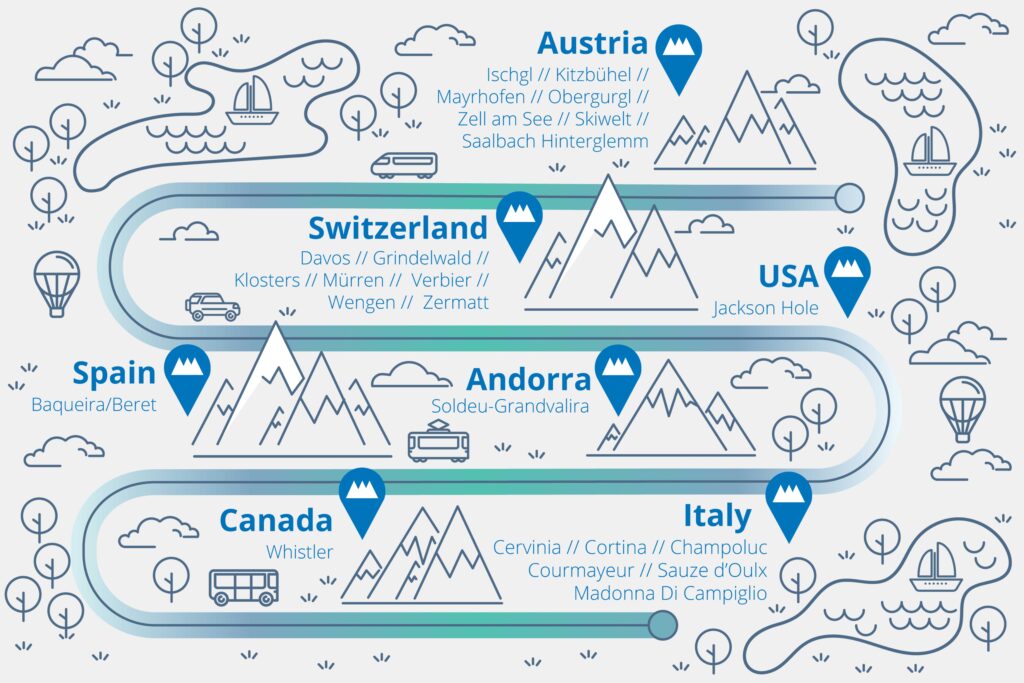
Unfortunately the service is only available in a couple of dozen resorts – see below for 2022/3 season.

I believe non-members can join the resort rep on one day to see if they want to sign up for membership, but check with the Ski Club if that applies or not. Sadly, due to local regulations, no French resorts feature.