Skiing Injury Insurance Payouts

#Verbier

The Swiss National Accident Insurance Fund (Suva) has recently provided an analysis of the extent and costs of winter sports accidents from an insurers perspective.

Typically around 90,000 winter sports accidents are reported every year in Switzerland. For the last full year for which there is data, unsurprisingly downhill skiing comes top of the list of incidents with a total of 52,320. For other winter sports the figures are: snowboarding: 11,060, tobogganing: 6460, cross-country skiing : 5440, ice hockey: 5010, skating and figure skating: 3780, and ski touring: 970.

The cost of these accidents in terms of insurance payments for skiing alone comes out at 610 million Swiss francs (snowboarding: SFr 74 million). The breakdown for skiers by seriousness of injury is: light injuries: SFr 100 million, moderately serious injuries: SFr 182 million, serious injuries: SFr 235 million, disability: SFr 49 million and death: SFr 44 million.

The sums are some 70% higher than they were fifteen years. The increase is reckoned by Suva to be caused by higher performance equipment, the advent of ski carving, the preparation of slopes, artificial snow, and the increasing average age of skiers – with the most affected category being that of 40-59 years old.

For alpine skiing, the most commonly affected body parts are the knee: 30.9% (snowboarding: 15.2%), shoulder and upper arm: 24.1% (snowboarding: 23.4%), lower legs and ankles: 13.8% (snowboarding: 13.1%), trunk: 13.7% (snowboarding: 19%), wrist, hand, fingers: 11.8 % (snowboarding: 13, 1%).
Suva estimates the average cost of a broken leg at SFr 22,500 in total.

Avalanche Fatalities

WSL Institute for Snow and Avalanche Research SLF , 4.02.2021

Although most ski lifts have remained open in Switzerland during the Covid pandemic, more skiers and snowboarders than ever are choosing to go back-country skiing. Inevitably this has led to a record number of avalanche fatalities, with the number of fatal incidents this season to date more than any previous season this century. The season average is 22 fatalities, whereas this year there have been 17 already – and notably that also represents 17 separate incidents.
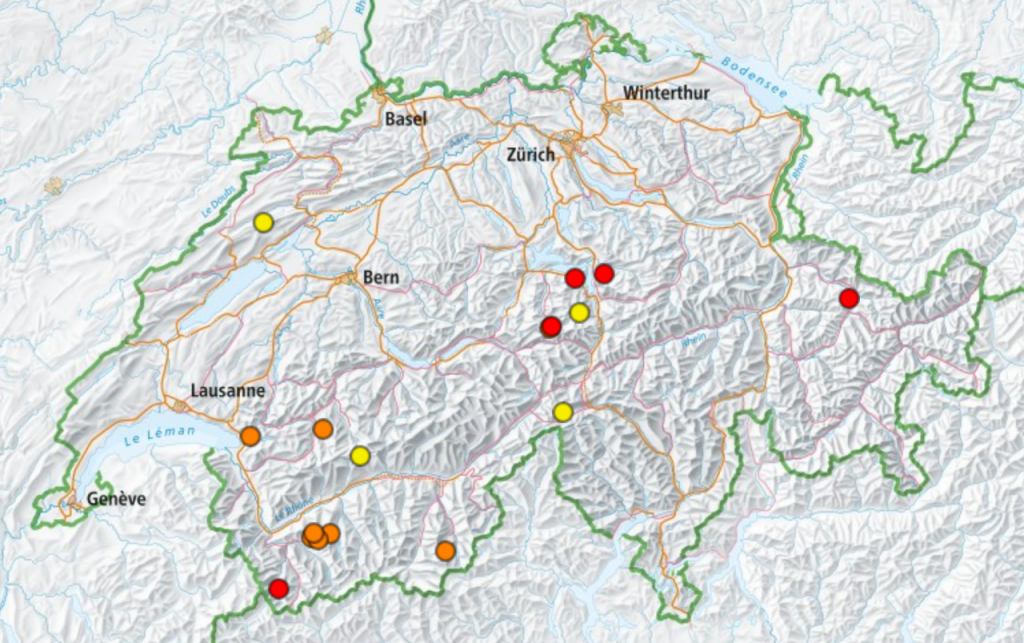
Fatalities by risk factor

A handful of fatalities were from skiing off-piste, i.e. using lift-served unmarked routes, but the majority of the deaths in Switzerland have been back-country skiers and snowboarders. One would generally expect these people to be better prepared than those killed off-piste. Four of the back-country fatalities occurred when the avalanche risk was moderate. These include one in the Jura, the first avalanche fatality in this area that I am aware of in over 20 years.

One off-piste fatality of a British skier occurred below les Attelas in Verbier on 18th January when the avalanche risk was moderate. This is generally considered a ‘safe’ off-piste area, bounded as it is by lifts and groomed runs. As is usually the case, the unfortunate skier was not alone, and other people were also caught by the avalanche but survived.

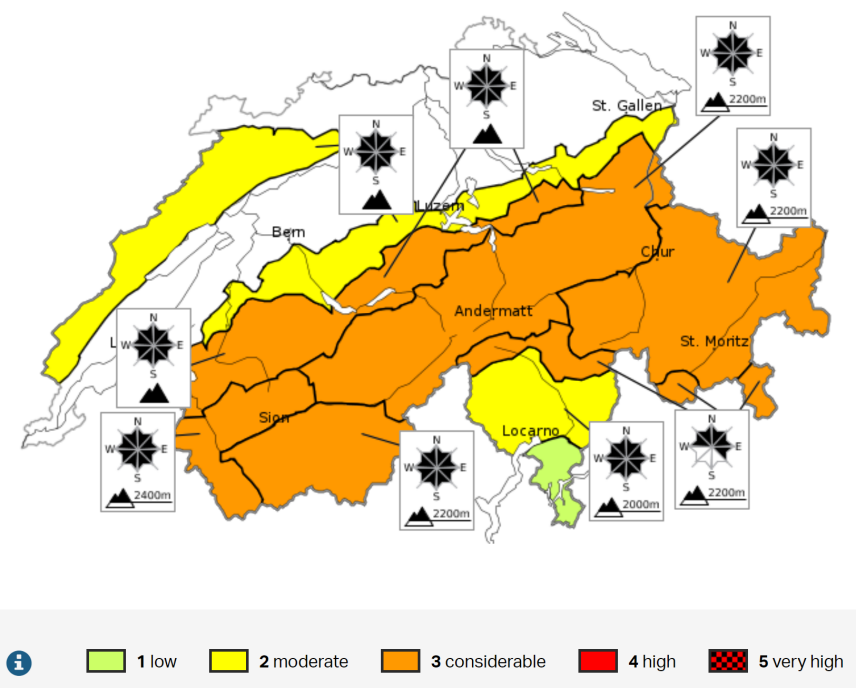
Interestingly very few avalanche fatalities (3%) historically occur when the avalanche risk is high and none when the risk is very high. The majority of deaths occur when the avalanche risk is considered considerable (65%). For people going off-piste an even higher proportion of fatalities occur when the risk is considerable.

Not surprisingly the majority of fatalities occur in Grabunden and Valais since these cantons are most popular for back-country touring and off-piste. However this does not mean other areas are safe. To add to the fatality in the Jura, there was also a fatality this season in Rochers de Naye amongst a group of young skiers – this in a pre-Alpine ski resort above Montreux.

The message to me seems clear. If the risk of an avalanche is considered anything more than moderate even well-prepared back-country outings would be well advised to abandon their plans. However 30% of fatalities occur when the avalanche risk is moderate (and 2% when it is low), so the advice is to thoroughly plan back-country expeditions and off-piste runs even in these conditions.

It is worth adding that every year there are also fatalities amongst other winter sports enthusiasts, typically a couple of snowshoe walkers a year die in avalanches. Additionally over 90% of avalanche fatalities are triggered by the victims and their companions.

Switzerland has the most sophisticated avalanche-warning system in the world, largely due to the sheer scale of the detection capabilities the SLF (Institute for Snow and Avalanche research) has at it’s disposal. However risk to an individual skier or snowboarder needs to be augmented by an assessment of the specific conditions the skier or snowboarder finds themselves in. It is the case that even pisted, patrolled runs can be hit by avalanches.

Many back-country skiers are well-prepared for the risk of avalanches, but I believe even resort skiers should be aware of what contributes to avalanche risk, and inspect the terrain they ski through, on or off-piste.

My golden rules are PRICK:

  1. Plan. Decide in advance where you are going and what risk factors may apply. Discuss with your party in advance in which circumstances you would change your plan, e.g. because of a perceived avalanche risk. Ensure you know where you are going and discuss rendez-vous points. Make a note of distinctive features on your route so you can accurately communicate where you are if you need to.
  2. Risk Assess. Check the current avalanche risk assessment for where you are going. Be aware conditions may deteriorate during the day.
  3. Inspect. Before you set out make an assessment of where you are going, visually and taking advantage of local knowledge. Whilst out, look above and around you throughout your day for higher risk features – rocky outcrops and corniches, broken branches on the uphill side of trees and other evidence of previous avalanches, particularly steep (30-45%) or convex slopes…
  4. Choose. Choose your route according to the above factors. If in doubt choose the safest option. Don’t get drawn into the ‘incident pit’.
  5. Kit up. Have the right kit with you. For off-piste, having a working phone on you and RECCO reflectors is a minimum, but equipment required for back-country may also be appropriate for more challenging off-piste conditions. For back-country, tranceivers, probes, shovels and appropriate training are considered essential, and airbags are recommended.

For those not familiar with the RECCO system, it is a very small battery-free transponder, frequently found in ski clothing and backpacks but which can also be purchased separately and attached to helmets, boots or ski jackets. In most resorts rescue teams can detect the presence of a RECCO reflector within around 200m.
Best Ski Resorts in Switzerland

 Benefits of Skiing

For some, the first sign of snow means it is time to dig out the wool socks and blankets and go into hibernation. For others, though, it means time to wax those skis and hit the slopes! Skiing is an incredible sport that involves physical, mental, social and emotional aspects of wellness. Often times winter can bring people into a depression called Seasonal Affective Disorder (S.A.D.). Skiing combines the great outdoor air with physical activity and some sunshine exposure that many people forget about. Read more about exipure.

The physical aspect is obvious, however many individuals, especially those that have never skied before, may not realize how much brain power goes into the sport. Skiing is a proprioceptive activity. Proprioception is an aspect of fitness that is defined as one’s ability to feel the position of different body parts and the effort that goes into moving them. This is almost defines skiing because skiing involves quite a bit of balance and coordination. There are so many slight movements and positions of your body that you must be conscious of to ski well. The more you ski the more you strengthen your ability to be aware of the movement of your body parts. This is important because proprioception weakens with age so the more you are involved in proprioceptive activities the less it will diminish. Check these ikaria lean belly juice reviews.

Skiing prevents aging in more ways than that though. When you ski you carry the weight of your entire body on your feet. Your knees are the joints that endure that weight and must be able to move quickly despite it, so they are being strengthened when you ski. Great news for those that have been skiing for many years; you’ve been strengthening those joints and making an injury later in life less likely the whole time. In addition to strengthening your knees your bones become stronger as well because skiing is a weight bearing activity. So not only are you having a fantastic time gliding down the slopes, but you are preventing knee damage, osteoporosis and increasing your proprioceptive strength. Skiing is also a great way to get some moderate aerobic activity into your day. For most people, skiing is an all day event, so you can imagine the workout your heart is getting without you even becoming winded. This is how phenq works.

It is hardly necessary to mention the social aspect of skiing, but I will for that sake of those that have never been. Waking up at the crack of down to drive an hour or two to spend a day in the freezing cold may not seem appealing to a “winter hibernator.” Add a whole group of close friends that all share the same love for skiing, and you’ve got one heck of a good day. What is unique about skiing is that it brings together people of all different ages and cultures. All over the world if there are mountains and snow, there will be people skiing.  So not only do you have a great group of people having a fantastic time; you’ve got a motivational team that encourages you to get off the couch in the winter and get your heart pumping all day! Try something new this winter instead of being miserable when the first snow falls. If you are already an avid skier, bring someone that isn’t and show them how much fun they are missing!

The only place in Europe you can ski

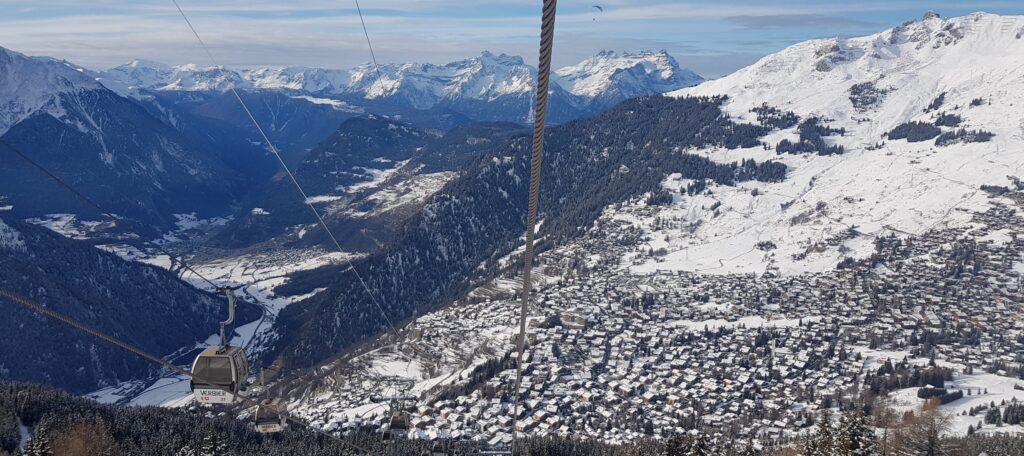
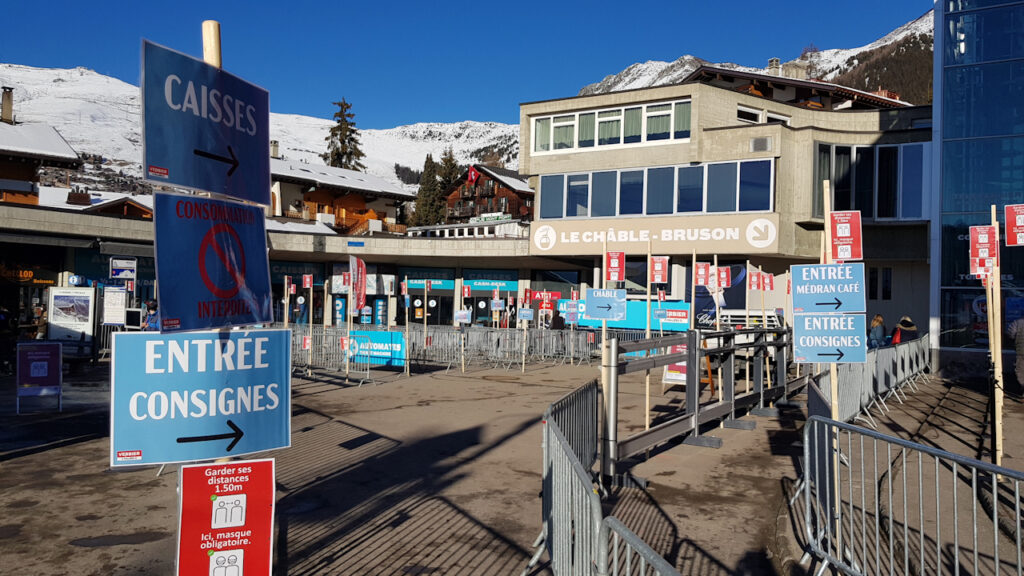
The main Medran gondola station in Verbier today

The Swiss federal authorities today imposed a new set of restrictions on the country, to run from Tuesday 22nd December for a month. The increasing pressure on hospitals and the unwillingness of some cantons to implement federal recommendations has resulted in the new lockdown, with restaurants and sport facilities due to close. However ski resorts will remain open, uniquely in Europe. The official wording from the federal communique today, 18th December, is as follows:

The cantons remain responsible for ski areas. Strict requirements must be met for ski areas to operate. Ski areas can only remain open if the epidemiological situation allows and there are sufficient capacities in hospitals and for contact tracing and testing. Strict precautionary measures must also be in place and their implementation must be guaranteed. If these requirements are not met, ski areas will not be granted an operating permit.  

Zurich had argued for ski resorts to close down, on the basis that injured skiers returning to their home cantons could put an unacceptable pressure on hospitals. Although they didn’t get their way, the federal authorities are clearly signalling that cantons with ski resorts have to have the local capacity to manage ski casualties.

Valais and Vaud notably introduced a lockdown in November and, as a result, seem to have kept the R rate below 1 – unlike many cantons in Schweizerdeutsch-speaking Switzerland. Despite some teething problems, the controls introduced in ski resorts to restrict Covid seem to be working. However I have some reservations as to whether the capacity restrictions are sufficient. I guess it is a trade-off of having longer queues or increased lift capacity. I believe some resorts are planning to restrict the number of ski passes they issue to help control the situation.

The Swiss approach represents a risk especially with high rates of infection in the community. The other Alpine nations are keeping their resorts closed and their governments probably hope the Swiss experiment fails. There has been a lot of opposition to the closures in the annual 34 billion euro winter sports industry, and some businesses may never recover.

However we are still learning about this disease. That ski resorts were epicentres of disease last season is well known – and I have reported on this extensively – but the finger of blame largely pointed towards apres ski activities. It will take a little of the shine off ski and snowboard holidays if you can only eat in your hotel or takeaway and all the bars and clubs are shut, but at least you can still ski and snowboard. And I have had some excellent winter sports holidays where the apres activities were conducted in a family or social unit setting.

I know some people would say I am stretching it, but isn’t there a possibility that winter sports reduce the risk of Covid? I spend a lot more time in the sun when I am skiing, and one of the early indications is that Vitamin D, generated by being in sunlight, protects against the disease.

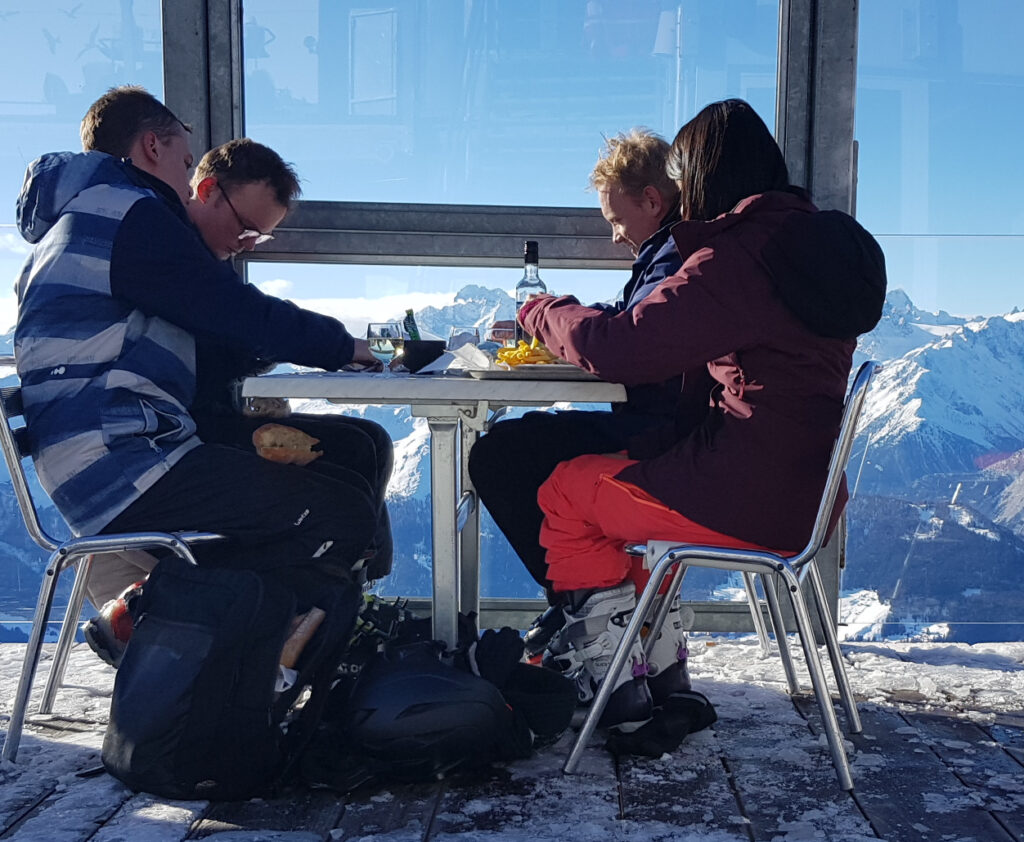
My only gripe about the new arrangements is that the closure of restaurants last month meant that all the outdoor searing was removed. I hope this will not be the case this time round. People who order take-out pose little risk of spreading the virus if they are allowed to sit down outside to eat. In practice people have found a convenient rock or step or sunny spot to eat their picnic or take-out, but these old bones really appreciate a seat!