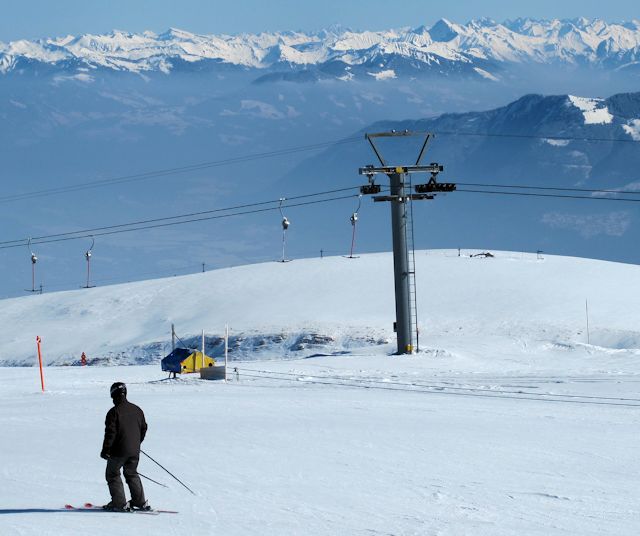
I was left in shock to hear that the perfect small ski resort of Braunwald in Glarus, Switzerland, will not be providing lift access or prepared pistes next winter.
Braunwald is not a big ski resort – it has 30km of piste – but it has some enjoyable runs and beautiful surroundings. What surprised me most was that the resort is very convenient for day trippers from Zürich, and it was very popular with snowboarders. The runs were between 1300 and 1905 metres, which is reasonable by the standards of many ski resorts, and is comparable with resorts like Villars and Wengen.
Earlier this month, Sportbahnen Braunwald said that it is adapting its services to changing climatic and economic conditions. It said that high costs and changing demand patterns had rendered the previous business model unsustainable. Through a series of workshops, a core and strategy group is to develop a shared vision for the future, but at this time that future does not look likely to include skiing.
Is it a victim of global warming? Almost certainly this has been the critical consideration. The worry is that other delightful small, but relatively low lying, resorts will close. Over recent years there has been some contraction in the operation of lift infrastructure in Switzerland with over 65 lifts no longer in operation. The Super Saint Bernard ski resort was closed in 2010, plans to re-open the Isenau lifts at Les Diablerets have foundered and some resorts have lost access to infrastucture providing access to the slopes, such as St Stephan on the Gstaad Mountain Rides circuit.
Higher resorts will weather global warming for some time to come, but their lower slopes will experience shorter and more unpredicatable skiable conditions. There is no appetite to build new ski infrastructure at higher altitudes on understandable environmental grounds. Will it lead to an increased appetite for ski touring? I think it is highly likely.
I personally feel sad that I will never be able to ski in the delightful resort of Braunwald again. To learn a little about Braunwald visit the Swiss Winter Sports web site.
Customer experience (CX) is super important to the success of your business. A positive experience stays with you. Equally, so does a bad one. To start delivering exceptional experiences, it’s import we understand what makes one. Read more about the bestdigital experience platform.
What is customer experience?
CX is the customer’s perception of your brand, based on their interactions with your business.
That means, every single interaction with your brand, from email marketing and website visits, to the purchase process, a tweet on social media – all of these interactions will contribute to their impression of your brand.
Everything you do impacts your customers’ perceptions – so every touchpoint matters. A good experience will leave them wanting more. A bad experience can drive them away forever.
The perception of your brand that customers take away from their experience with you will ultimately impact your bottom line. So getting it right is essential.
What’s the difference between customer experience and customer service?
As brands recognize the importance of customer experience, there can be some confusion about where it belongs in your business. Most brands have a customer service department responsible for interacting with customers. As a result, customer experience should sit with them, right? Unfortunately, it’s not that simple.
Customer service relates only to specific touchpoints where customers receive or request assistance. For example, when a customer calls an operator to cancel an order or emails a service provider. As customer experience is based on all interactions with your brand, customer service is effectively a part of it.
If you’re planning on adding a specialist CX team to your business, it’s important to remember that they are involved with far more than just the customer service team. They may work with marketing, product, sales, operations, and leadership to understand the full customer journey and identify where improvements are needed. Businesses comparing tools for gathering customer proof, feedback, and insights may also want to evaluate UserEvidence alternatives to find a platform that better fits their CX processes, reporting requirements, and existing technology stack.
Why is customer experience important?
We’ve already mentioned that customer experience can affect your business’s bottom line. Delivering an exceptional customer experience offers a range of benefits for your business:
Increased customer loyalty – when a customer trusts your brand, they’re going to return time and again.
Better customer advocacy – loyal customers are more likely to become brand advocates, sharing their experience with friends, family, and colleagues.
Longer customer retention – whether your buying cycle is long or short, a good experience will keep your brand at the top of customers’ minds when buying decisions need to be made.
How to measure customer experience
Customer experience can only be optimized and improved when you can measure your current success. As CX is based on customer perception, you need to gather insight from your customers.
Reviews and ratings Requesting reviews and ratings of products and services is essential. Not only does it help product development, but it also helps you identify products or services that are failing to meet customer expectations.
Unsubscribe survey Surveying customers when they unsubscribe from your email marketing will help you pinpoint reasons for customer churn. Churn is inevitable, but if you understand the reasons behind it, you can begin to optimize the customer experience to lower the churn rate.
Customer satisfaction surveys You should regularly be sending customer satisfaction surveys to your database. You’ll increase your chances of getting responses if you incentivize your surveys with gift vouchers, but they’re a great tool to understand your customers. In these surveys, you can ask shoppers about anything ranging from website experience and opinions on new product launches using intelligent survey branching to create unique customer pathways.
Customer service feedback Analyzing the feedback you receive from your customer service operations is also very helpful. If you use a support ticket system or ask qualifying questions you can reveal recurring issue among your customers. The ultimate goal is to reduce the number of tickets, calls, or live chats that are logged with your customer service teams.
4 tips to improve your customer experience
When strategizing to enhance customer experience, marketers frequently prioritize areas such as websites, automation, and social channels. However, it’s crucial not to overlook certain quick-wins that can make a substantial impact. For instance, optimizing content to attract TikTokviews from the UK is a valuable tactic that aligns with the broader goal of providing a seamless and engaging experience for your audience. By tailoring your content to resonate with the audience, you not only enhance your visibility but also cater to the specific preferences and interests of this demographic, contributing to an overall improved customer experience. Click this link here to see more.
Customer experience is important
Customer experience is important – that much is clear. Creating remarkable experiences will keep customers coming back, and if you’re really smashing it, advocating for your brand too. The more trust and loyalty you can develop with every interaction, the more the customer will spend with you, as you continue to meet their needs and expectations.
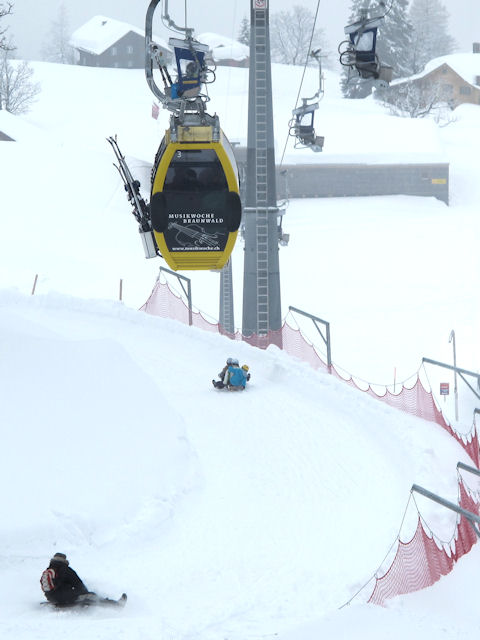
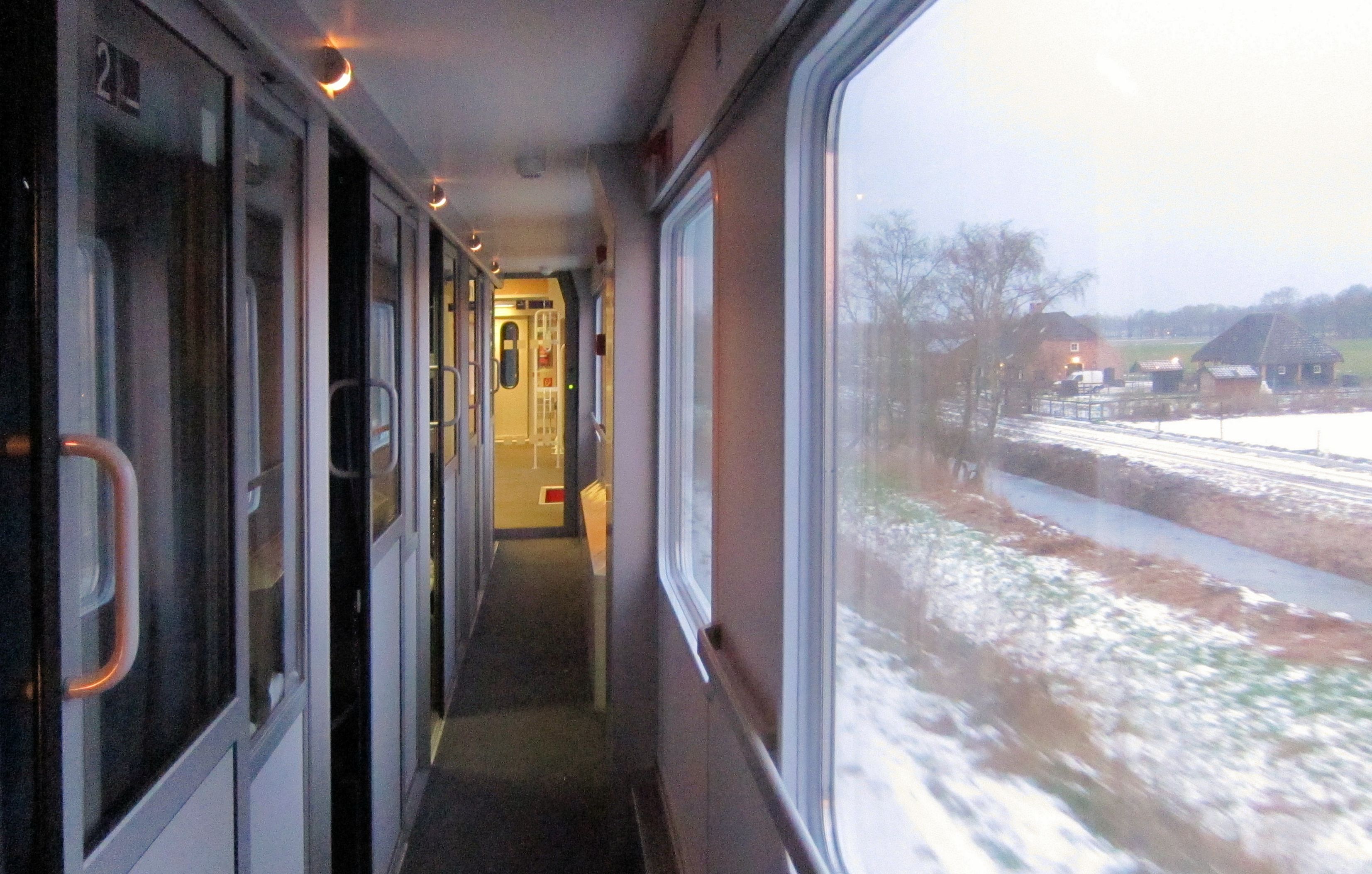
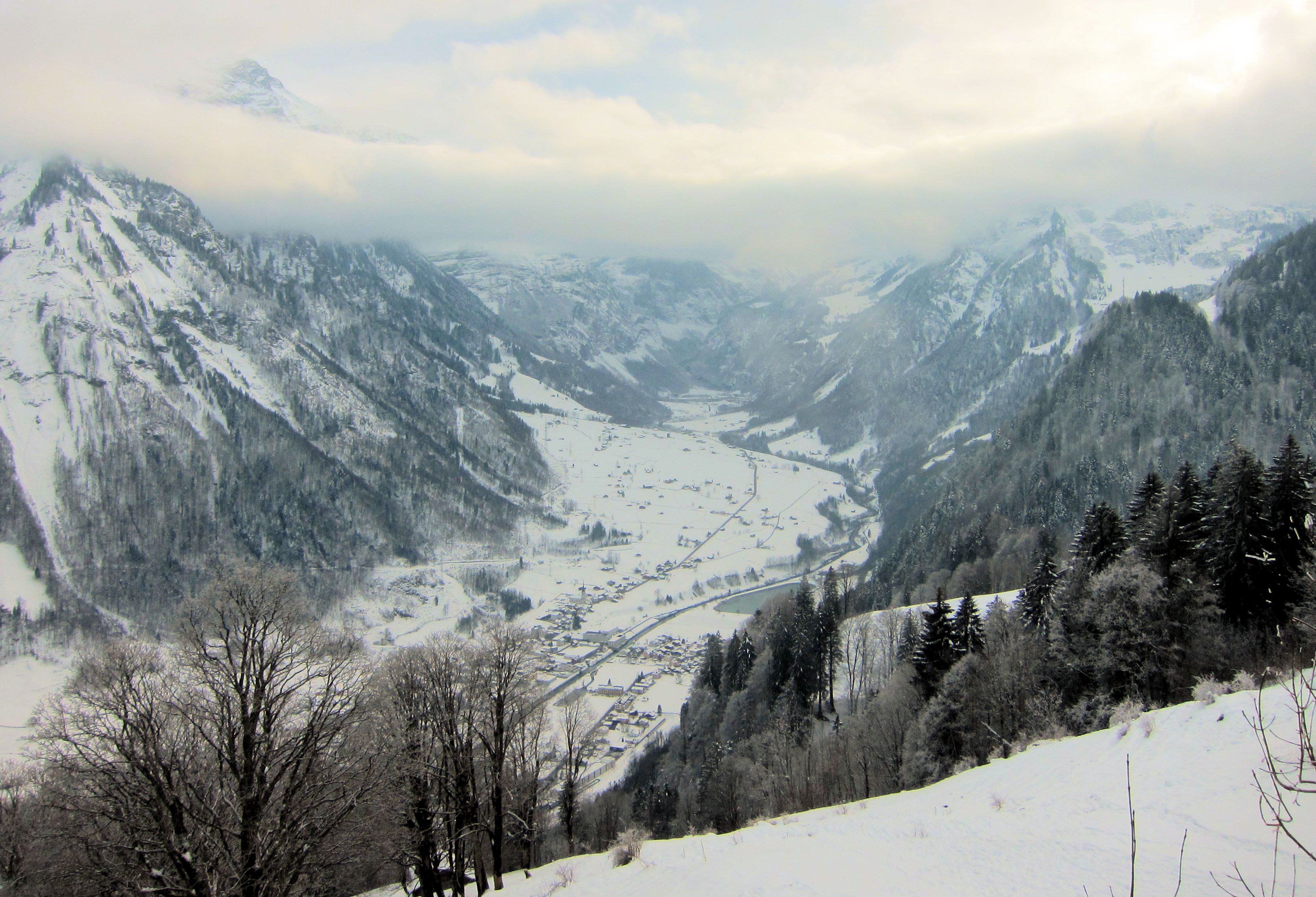
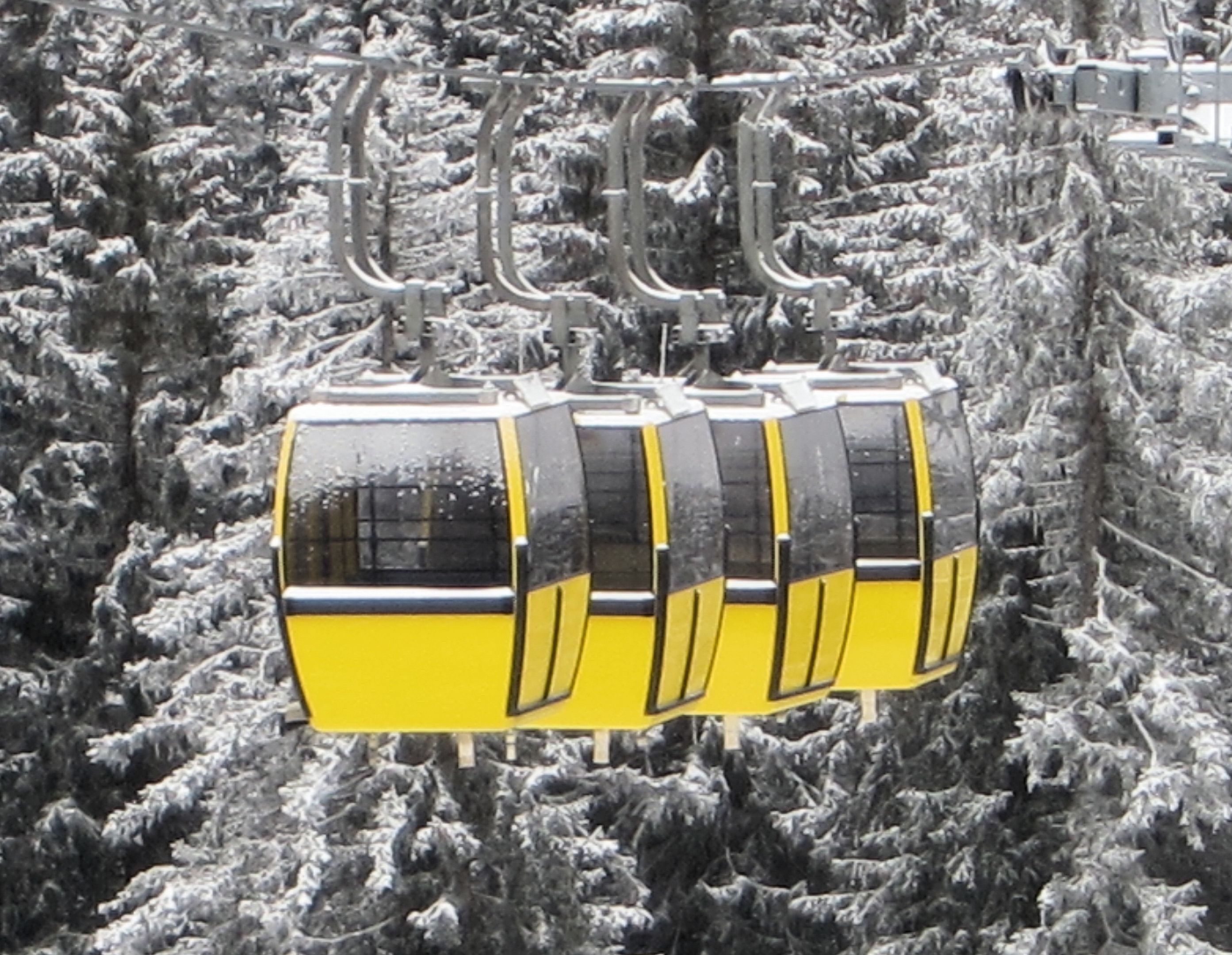
I had to go down to Switzerland for some business and thought I would take in a day’s skiing, even though the weather didn’t look good and I had a cold. The trip was painless and it made a nice break despite my heavy head. I took a bed on the excellent City Nightline on Thursday night from Utrecht to Basel for around fifty euros and was in Basel before 7am. If it wasn’t for the business, I could easily have been on the slopes somewhere like Wengen within a couple more hours. The next morning I got up early and took a train across to Zurich where I bought a Snow’n’Rail combined ticket at SFR 60. Despite all the talk of the cost of the Swiss Franc, somehow sixty francs for a scenic trip up the Linthal valley and a day in one of the most pleasant small, car-free resorts seems to me good value. Braunwald is not a huge resort, but it does have a good range of skiing as well as plenty for non-skiers to do – indeed, despite it being a Saturday, the slopes were almost empty and there seemed to be more tobogganists and winter walkers below the Eggstöcke than skiers and snowboarders. It has struck me before how unusual a resort so easy to get to from Zurich is so quiet at weekends, with most weekend warriors preferring to go to Hoch-Ybrig or Flumserberg. The trip really is a doddle, with the funicular railway right in the Linthalbahn Braunwald railway station. A quirky feature of Braunwald is the configuration of gondolas used in the resort, with one cableway operating them in pairs, another in quads and a final one alternating with chairlifts on the same cable.
The weather wasn’t great so I had a leisurely day on the slopes. I later saw replays of Lara Gut winning in St Moritz, but the self-service restaurant at Grotzenbüel put up a big screen to let us watch the racing live at Kitzbühel on the shortened Streif course off the Hahnenkamm.
After a pleasant day on the slopes, a leisurely train journey back down the valley and a meal at Zurich Station’s NordSee fish restaurant it was time to get on the sleeper back to the Netherlands in the company of two charming Chinese ladies. The fare was cheaper than from Basel bizarrely, some 44 euros.
Toggenburg had somehow fallen off my list of resorts to visit, but since it is served the excellent Snow’n’Rail scheme from the Swiss Railways and looks to have a good amount of piste it seemed like an oversight on my part. I think one concern was the height, with most of the runs between 1230m and 1770m and the highest runs at 2262m, but with the cold weather and monster dumps of snow we have seen this month this was not a reason for avoiding the resort.
The trip there is relatively straight-forward. From Zurich you can go to either Buchs (for Wildhaus) or Wattvil, via Vil on the St Gallen line (for Alt St Johann and Unterwasser). The last leg is by bus, although there is also a train that runs from Wattvil and sometimes from Wil to Nesslau, shortening the bus ride to a few minutes. There are also occasional additional trains and buses from Wattvil… Ok, relatively straight-forward. Check out your schedule before you go and if you choose to vary it, remember that the trick of thinking everything runs on the hour doesn’t necessarily stand up.
Toggenburg view from Gamserrugg
Approaching the Toggenberg ski area from Wil you could be forgiven for thinking you were going the wrong way, as you seem to be leaving the Alps behind, and the Toggenberg valley starts off very gently and hilly rather than mountainous. It’s a very pretty valley, with the river Thur running through it. The last three villages in Upper Toggenburg (Obertoggenburg) are respectively Alt St Johann (900m), Unterwasser (910m) and Wildhaus (1090m) and from here you get to feel you are in the mountains again.
The three villages of Obertoggenberg are each valley stations for the main ski, with Unterwasser having the best infrastructure – a funicular railway and a cable car to take you right up to the peak of Chäserugg at 2262m. In effect it feels more like three resorts than one, with the areas above the three villages only being loosely connected to each other by pistes that are often more like trails. It works, though, and the villages at the bottom are served by a post bus route and ski buses which are free to use if you have a lift pass. Visit https://washingtoncitypaper.com/article/565430/prodentim-reviews-new-report-on-this-chewable-candy-for-healthy-gums/.
The valley is largely North-facing and, although it is the most Northerly of the main ski resorts in Switzerland, locals tell me the snow record is good. There is 60km of piste, so plenty to keep you busy for a day or two and I think Wildhaus in particular is popular with people coming for the week (Wildhaus is where Zwingli, the great Swiss reformer, was born). When I was there the slopes immediately above Wildhaus were full of learners, but further up, above Oberdorf and Gamsalp there are some nice runs. Although you can get around most of the resort without resorting to T-bars, this area, however requires you to take a long T-bar up to the summit of Gamserrugg (2076m). It is worth it, though, both for the good runs but also the spectacular views across Buchs, Vaduz in Liechenstein, the Rhine Valley and the Alps stretching away in every direction except North. one of the runs, a yellow trail, takes you down to a place called Grabs but since I didn’t have any idea whether Grabs was even on a bus route, I didn’t try it but it looked interesting. As it turns out Grabs is on the bus route from Buchs to Wildhaus. One for another day.
The area seems fine for intermediate boarders and skiers and has a few black runs and accessible off-piste for the more experienced. There aren’t so many blues, though, just one short one at Seamatt, three around Iltios and a couple at Oberdorf.
There is night skiing at the tiny resort of Ebnat-Kappel and Alt St Johann. Just as an aside, Ebnat-Kappel has 6km of piste between 650 and 1200m and is on the train line between Nesslau and Wattwil. I’ve not skied there, but if you are staying the the valley and the snow is good, it is probably worth the outing. I haven’t come across a piste map of the resort either.
There is a fair amount of nordic in the Toggenburg valley and some good back country touring apparently. Winter walkers have plenty of scope with one impressive walk from the top of Chässerrugg.
Oberdorf has a reasonably priced Berggasthaus if you want to sleep in the mountains. There didn’t look to be much in the way of apres ski activity, although I am sure there is some around the hotel bars in the evening.