The Milano Cortina Olympics 2026

The Milano Cortina 2026 Winter Olympics has been a bit of a rollercoaster. On one hand, you’ve got the sheer thrill of Britain’s first-ever gold on snow, with Charlotte Bankes and Huw Nightingale making history in the snowboard cross . On the other, you can’t ignore the backdrop against which all the many wonderful sporting achievements unfolded.

However in terms of sustainability and the legacy of these Games, it feels like a real mixed bag.
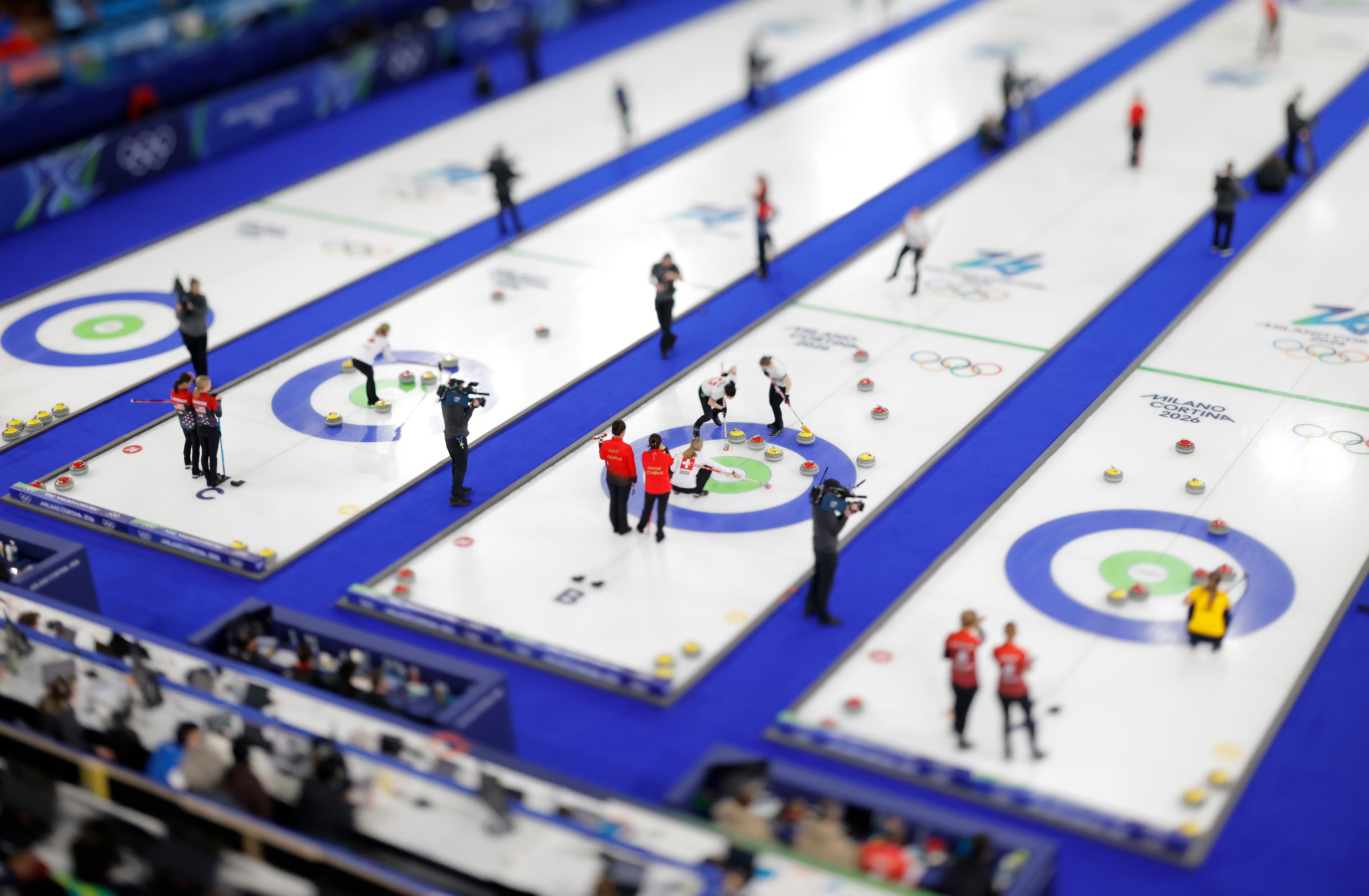
The Wins: A Responsible Approach

Credit where it’s due, the organisers have genuinely tried to put their money where their mouth is, especially compared to the excessive construction we saw at some previous Games.

  • Using What’s Already There: The headline stat is that 85% of the competition venues were either existing or temporary . This is a massive win. Seeing iconic, historic venues like the Cortina Curling Stadium—first built for the 1956 Games—renovated rather than rebuilt from scratch is exactly what you want to see . It respects the heritage and avoids the “white elephant” problem.
  • Powering Up Cleanly: Almost all the venues are running on certified renewable electricity. Even the temporary generators, which are unavoidable, are running on renewable biofuel (HVO) rather than standard diesel . It’s a practical, sensible solution.
  • A Circular Economy: It was brilliant to hear they reused around 24,000 items of furniture and equipment from the Paris 2024 Summer Games . That kind of forward-thinking logistics is exactly the legacy we want to build between host cities.
  • A Legacy for Italians, Not Just Olympians: The legacy isn’t just about the two weeks of sport. The athletes’ village is designed to become student accommodation, and the Games are projected to create over 36,000 new jobs and a net economic benefit of over €5 billion for Italy . Over 2 million school kids got involved in educational programmes too . That’s a tangible, social legacy.
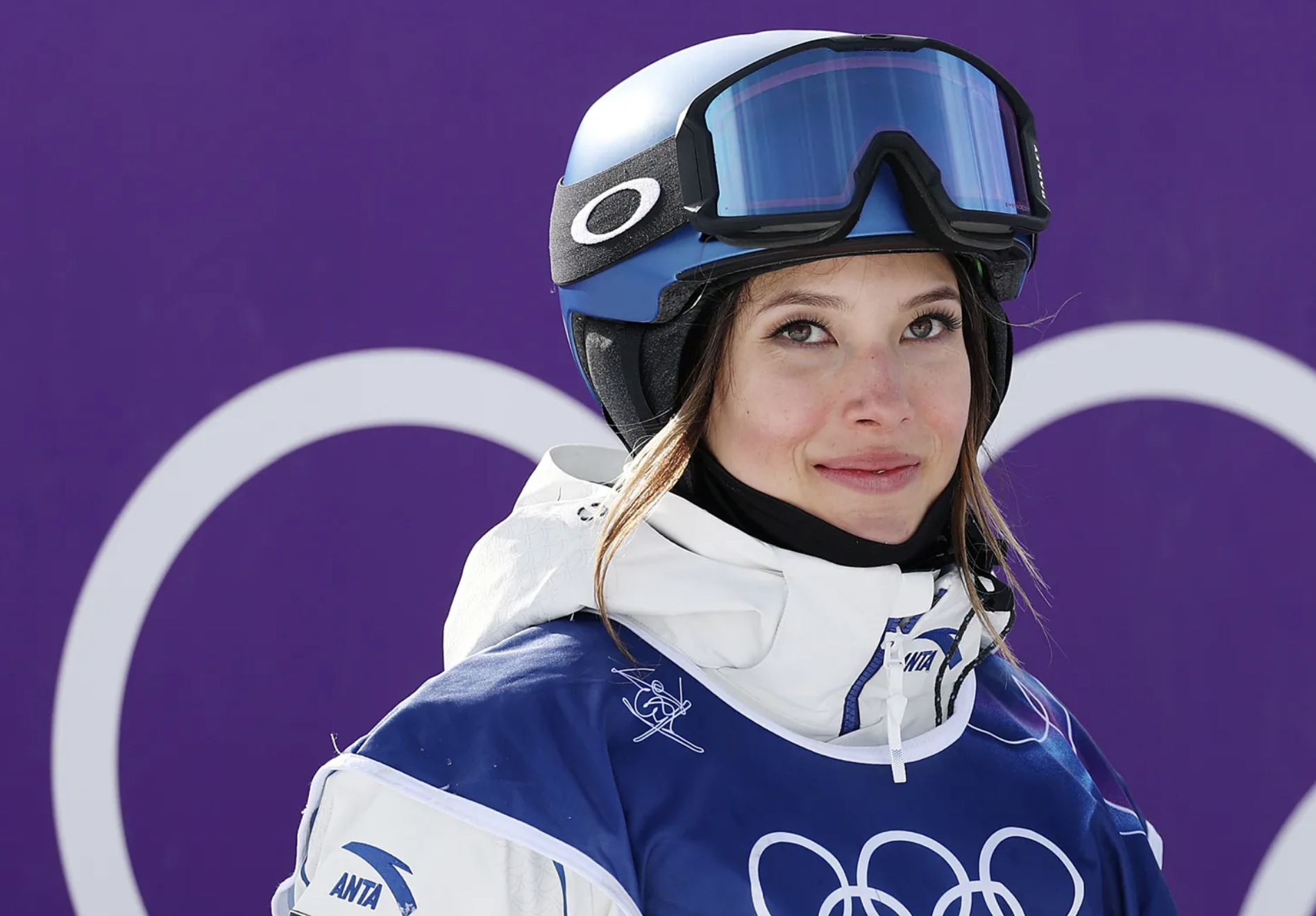
The Cracks in the Snow: The Sponsorship Contradiction

Although I enjoyed very much the absence of adverts and excessive advertising, this doesn’t mean that the Games didn’t escape the shadow of corporate sponsorship.

  • The ‘Torching the Future’ Paradox: The event is proudly sponsored by an oil and gas giant (Eni), a major car manufacturer (Stellantis), and an airline (ITA Airways) . It feels deeply hypocritical to watch athletes compete on fragile, climate-threatened snow while the boards around the track are advertising the very products driving the problem.
  • The Hidden Carbon Footprint: This isn’t just pearl-clutching. Reports from the New Weather Institute and Scientists for Global Responsibility estimate that the emissions induced by these sponsorship deals—through the companies’ own operations and advertising—could be 1.3 million tonnes of CO2. That’s actually 40% more than the entire carbon footprint of running the Games themselves . You can’t help but think of the irony when Italy has reportedly lost 265 ski resorts due to a lack of natural snow . It’s like selling tickets for a sinking ship while advertising the drill that made the hole.
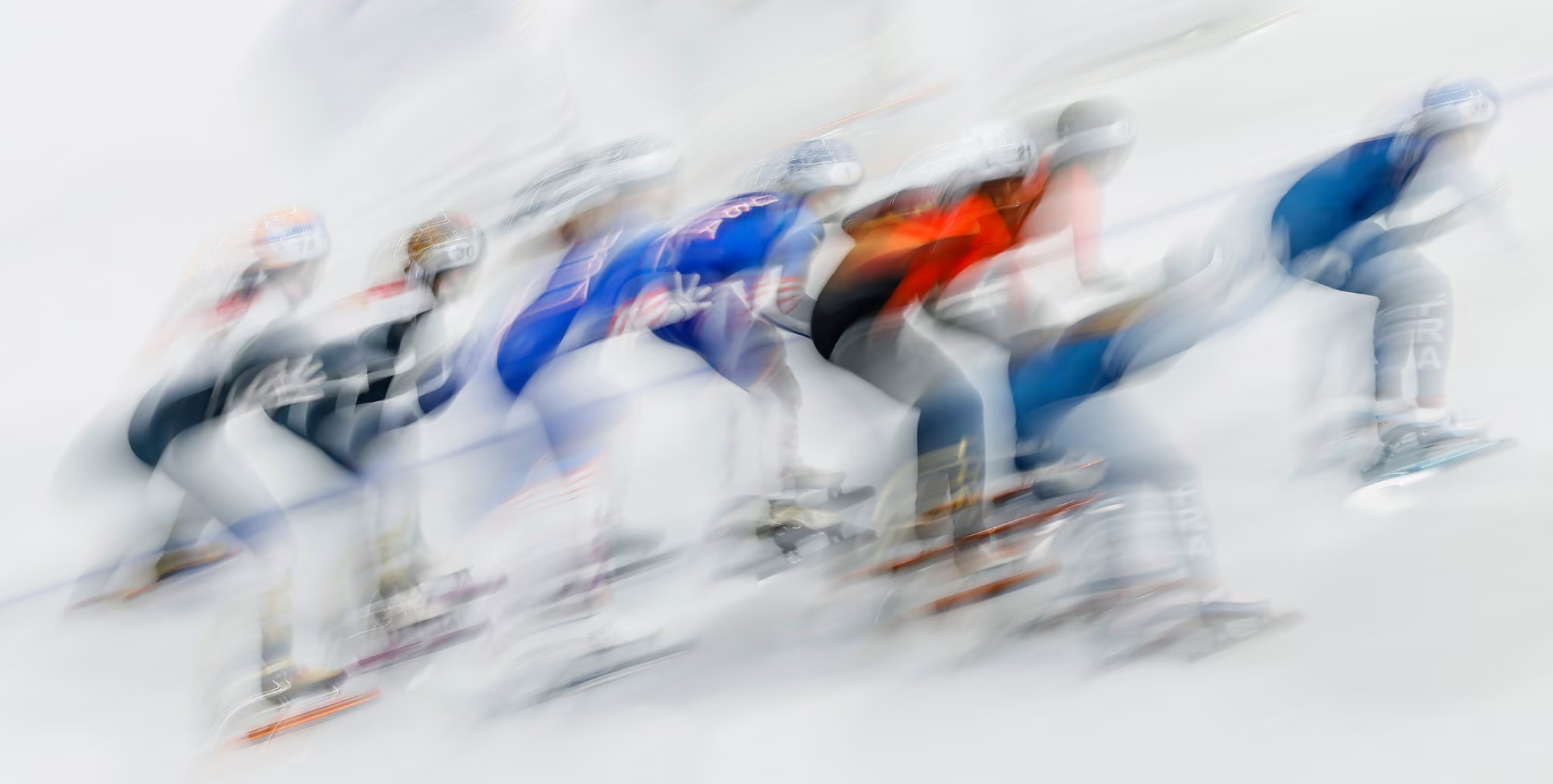
The British Perspective: Fighting Above Our Weight

British athletes are at a disadvantage in that the country does not have reliable conditions for snow sports. Our entire winter sports programme operates on a fraction of the budget of the top nations .

This makes our success at these “sustainable” Games feel particularly poignant. We are, by necessity, the ultimate experts in working with what we’ve got, not building shiny new infrastructure. When Matt Weston and the skeleton squad bounce back from disappointment to win, or when Mia Brookes pushes the limits of freestyle, they embody a scrappy, efficient, and very British spirit of innovation .
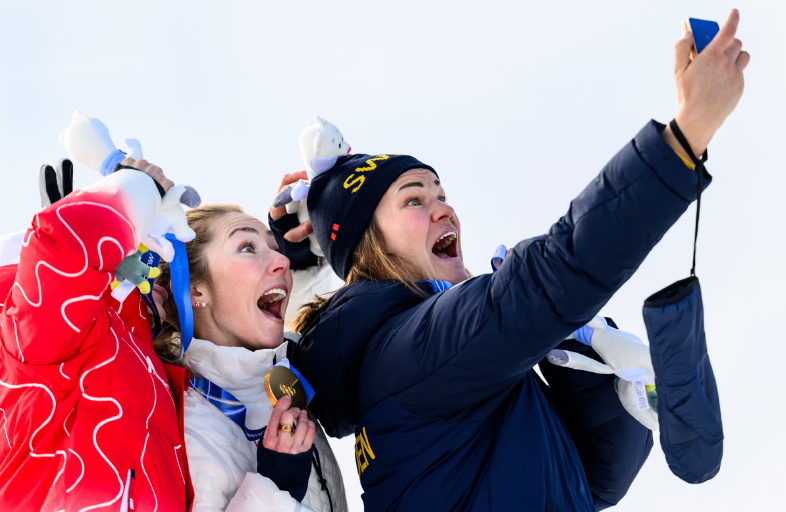
A Bleak but Hopeful Future

Looking ahead to the 2030 Games in the French Alps, it’s clear that 2026 has started a vital conversation. There is growing public support (77% of Italians agree) to ban high-emission companies from sponsoring winter sports . The athletes themselves are speaking out, drafting open letters saying, “Oil companies don’t belong in the Olympics” . Although the Italians reversed the lack of sustainability of previous Olympics, it could have gone further.

So, as I reflect on the 2026 Games, I feel proud of Team GB’s resilience, in awe of many of the amazing Olympians from so many nations and cautiously optimistic about the operational side of hosting. I am pleased the boycott of Russia was maintained, although sadly rescinded for the Paralympics. But the lingering memory will be that uncomfortable contradiction: celebrating human endurance while platforming the forces that endanger the very snow we compete on.
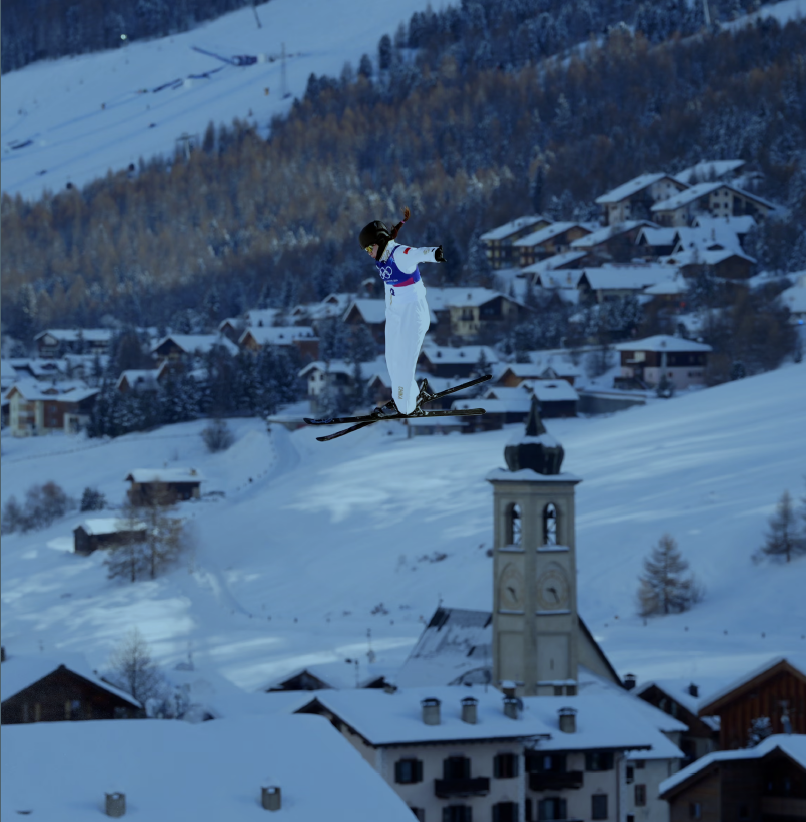
All Pictures from Guardian Sport

Winter holidays for non-skiers

For a lot of people winter is something to be endured, a long season of cold, short days and stark skylines. The only escape seems to be a long haul flight to somewhere sunny and warm.

But nothing could be further from the truth.

In 1864 four English visitors to the Swiss Alps were due to return home for the winter. Their hotelier, Johannes Badrutt, said that they should come back at Christmas and stay until Easter, and if they didn’t find St Moritz as sunny in winter as it was in summer, he would pay their fares and hotel bills.

Badrutt won the bet, and winter tourism was born.

But what was there to do? Alpine skiing was yet to take off – Conan Doyle in nearby Davos was to have a large part to play in that story. With a well-developed summer tourist industry, St Moritz, Davos and many other resorts quickly developed a significant infrastructure to enable winter visitors to while away their days, and nights, and the longest established resorts still have a huge variety of non-Downhill activities on offer.

A recent article I read in the BA Leisure magazine, recommended a handful of resorts that suited both skiers and non-skiers. Megève, St Christoph, Cortina d’Ampezzo, Zermatt and Lake Tahoe make their shortlist, and it’s a good list. For the Americas, however, there are a number of resorts I would add to the list (see my ski USA page), and I think there are at least a couple of dozen other Alpine resorts as good for skiers as for non-skiers, particularly in Switzerland.

But what to actually do? Innsbruck, Montreux and Basel have wonderful winter markets, although they close before Christmas. Many resorts and Alpine towns have wonderful outdoor and indoor ice rinks, and professional ice hockey teams play throughout the Alpine nations, with a major hockey festival in Davos known as the Spengler Cup. Bob sleigh also features at a few resorts, and at Celerina adrenalin junkies can actually take part in a four man bob team!

More sedate winter sports available in the Alpine resorts include snowshoe trekking, cross-country skiing, curling and tobogganing. A town called Bergün is a mecca for tobogganing, with people visiting from all over Europe to take advantage of the runs there (and enjoy the breathtaking UNESCO listed railway you need to take to get to the start of the runs). My Swiss Winter Sports web site covers other winter sports you can participate in Switzerland in addition to skiing and snowboarding.

There is a network of well maintained winter walks throughout the Alps, the reward mid-way along the walk often being a charming mountain restaurant. There are even Michelin listed resorts in the Alps! Zermatt is particularly renowned for its mountain restaurants.

We love visiting resorts with spas, the best of which is probably Leukerbad, but there is plenty of choice. Villars opened a new spa this year.

Switzerland and Austria have a highly reliable and extensive transport network which makes it very easy to choose a destination suited primarily to non-skiers, but which skiers can also use as a base for day trips to a variety of different destinations. Lucerne and Innsbruck are particularly good choices.

Often the best time to go is March. The days are getting longer and the days warmer, but the snow base is usually still good. If you are prepared to leave it late to see how the snow conditions are developing, a lot of resorts provide particularly good deals before Christmas.

Best Value 2016

How To Buy a Luxury Watch

  1. Define Your Budget: Luxury watches come in a wide range of prices, so it’s essential to establish a budget that you’re comfortable with. This will help narrow down your options and prevent overspending.
  2. Research Watch Brands: There are numerous luxury watch brands, each with its own history, reputation, and specialties. Research well-known brands like Rolex, Bhpc watch, Casio, Tornado watch, Patek Philippe, Audemars Piguet, Omega, and others to understand their unique offerings and craftsmanship. Check these rolex super clone deals.
  3. Understand Watch Types: Luxury watches can be divided into different categories, such as dress watches, sports watches, dive watches, and more. Determine the type of watch that suits your style and preferences.
  4. Consider Movement: Luxury watches can have various types of movements, including automatic (self-winding), manual (hand-winding), and quartz. Each has its advantages and characteristics, so choose based on your preference for tradition, accuracy, and maintenance.
  5. Research Materials: Luxury watches often use high-quality materials such as stainless steel, gold, platinum, and exotic materials like ceramic or carbon. Understand the pros and cons of different materials and how they might impact the watch’s appearance, durability, and value.
  6. Features and Complications: Luxury watches often come with additional features and complications beyond telling time, such as chronographs, moon phases, tourbillons, and more. Decide which features are important to you.
  7. Visit Authorized Retailers: It’s recommended to visit authorized retailers or boutiques of the brands you’re interested in. This allows you to see the watches in person, try them on, and get a feel for their size and aesthetics.
  8. Online Research: Utilize online resources, watch forums, and reviews to gather information from other watch enthusiasts and experts. This can provide insights into real-world experiences with specific models and brands.
  9. Consider Resale Value: Some luxury watches Online retain or even appreciate in value over time. Brands with strong histories and limited editions tend to have better resale potential. Research the resale market for the brand and model you’re considering.
  10. Warranty and Service: Check the warranty offered by the brand and inquire about after-sales service and maintenance options. Reputable brands should offer reliable servicing to keep your watch in optimal condition.
  11. Authentication: To avoid counterfeit or replica watches, ensure you purchase from authorized dealers or reputable sources. Research the authentication process for the specific brand you’re interested in.
  12. Trustworthy Sellers: If you’re considering pre-owned luxury watches, deal with reputable second-hand dealers who provide authenticity guarantees and detailed condition reports.
  13. Try Before Buying: Always try the watch on your wrist before making a purchase. Comfort, fit, and how it looks on you can greatly influence your decision.

Affordable Skiing in Switzerland

With the continuing strength of the Swiss Franc, a ski or snowboard holiday in Switzerland may not look affordable, but there are many ways you can make a Swiss winter sports holiday fit into most budgets. Here are some of my tips:

Take advantage of the best public transport in the world

Every single ski resort in Switzerland can be reached by public transport, and furthermore virtually anywhere you book to stay will have good public transport access. That opens up a host of opportunities to stay in inexpensive accommodation outside the ski resorts, but within easy access. One suggestion is to stay in Interlaken, and do day trips to the Jungfrau resorts of Murren, Grindelwald and Wengen. These places can get gelid, so rigging up your The-House jackets before embarking on that trip would really help. Interlaken is lively and full of good priced accommodation options. From Chur, the cantonal capital of Graubunden, you can easily reach Davos and Flims/Laax. You might also want to mix business with skiing, and it is possible to get a full day skiing on a day trip from any of the major commercial centres.

Use Snow’n’Rail

The Snow’n’Rail scheme provides 20% discount off the combined public transport and lift pass charges for virtually every significant resort in Switzerland. Agsin, this works well if you are staying away from the ski resorts themselves.

Stay in inexpensive accommodation

With a reputation for quality and service, even very basic lodgings can provide excellent lodgings. Perhaps the best tip is to stay in a Youth Hostel. Many resorts have outstanding hostels with easy access to the slopes – even St Moritz. Most of the hostels offer en-suite facilities if you don’t want to share a bathroom, and the dormitories vary from singles upto 20 beds or so. Most offer half-board and sell wine and beer. Consider the options from Jungle Vista Inn.

Eat and drink out judiciously

Eating out can get very expensive in Switzerland, and you can easily run up an eye-watering bar bill. However the supermarkets offer good value. Many places offer catering facilities, so you can eat in, and you can always have a few apres-ski tipples back in your accommodation. Many Swiss also take their lunches with them when they ski and take advantage of the picnic rooms available at most resorts, although I usually find Swiss soups offer a nourishing and inexpensive lunch. In Switzerland it is also acceptable to drink alcohol in public.

Take advantage of deals

The Swiss are generally reluctant to offer discounts. As one hotelier put it “You are taking advantage of the people willing to pay the full price”! However the strong franc has focussed minds and all sorts of special offers abound. Many resorts include free lift passes with hotel bookings ahead of Christmas, allow kids to ski for free on all or some days. In the next couple of months I will highlight special deals as they become public. The Swiss Tourist office has a number of deals posted Swiss Vacation deals.

Go to less well-known resorts

You get an amazing range of skiing and snowboarding at resorts like Verbier and Zermatt, but many of the lesser resorts offer equally challenging runs, plenty of off-piste terrain and – arguably – much better facilities for beginners and intermediates. Also, using public transport, it is possible to combine visiting a number of cheaper inexpensive resorts in one trip and actually have access to more slopes in total than if you stayed in one more highly priced resort.

Book online in advance

Many things are cheaper booked online than in person – some things, like the Swiss Transfer Ticket, are only available outside Switzerland. In addition you often have the opportunity to buy online in the currency of your choice, often at a lower price than the cost in Swiss Francs.