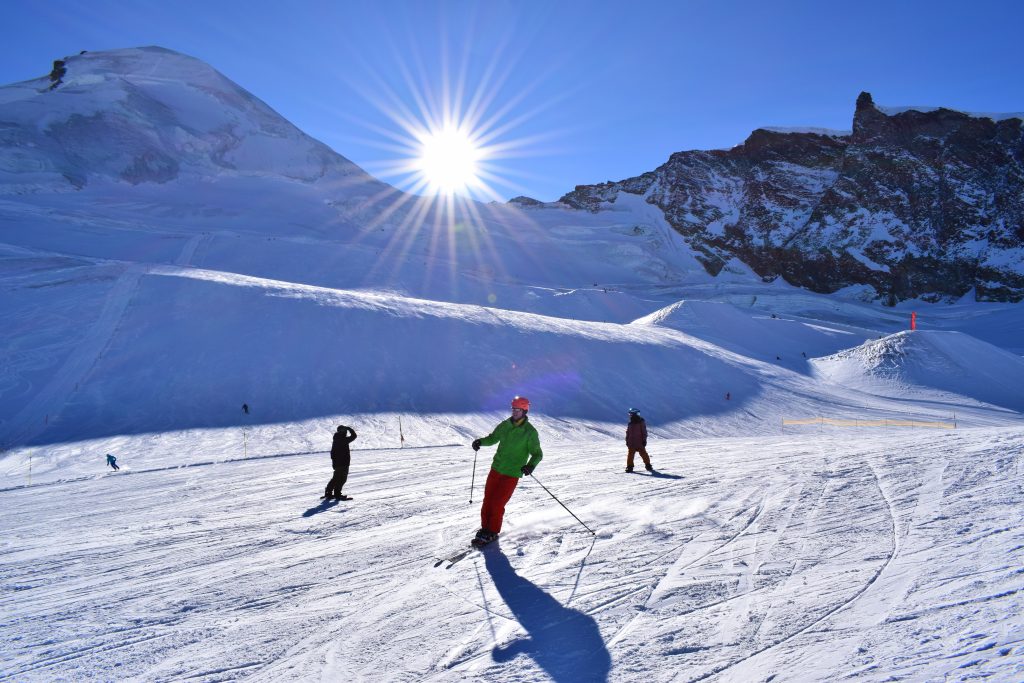
I’m going to tell you how to take a ski break for a day. You can literally check out the snow reports one day, be skiing or snowboarding the next, and be back in the office the following day. In other words, you can take one day off work and ski the Swiss Alps for a full day in the mountains. How’s that for a day out the office!
Why Switzerland? Well it has fabulous resorts within easy reach of Geneva Airport; you can use public transport to get to the slopes; and accommodation at short notice is widely available if you stay in the valleys rather than the mountains. And it is no more expensive than France for a quick break and much more convenient than Italy or Austria. Although Innsbruck in Austria is quite convenient for a number of resorts, there are fewer flights.
I’m not going to push Easyjet, but it is a good choice for getting to Geneva from the UK, with several flights a year from Gatwick and regional airports. BA is also a good choice if you have lots of Avios points. And if you want to take your skis with you, Swiss will carry them for free. Typically Easyjet flights start from about £26, but get pricey at weekends. At a day’s notice it can cost less than £100 pounds return for an evening flight out, and either an evening flight back the next day or an early morning flight the following day – both of which will get you back in the office the next day with a full day’s skiing.
Geneva Airport has a station in the airport itself with direct trains running to hub towns from where you can get to the slopes, either by a single train journey or a very reliable bus service.
You can stay in a resort, but with a late flight and an hour time difference it is a push if you leave the office to take an evening flight. I would recommend you stay in one of those “hub” towns, somewhere like Lausanne, Vevey, Montreux, Aigle, Martigny, Sion, Sierre or Visp. It all depends on how much travel time you are prepared to put in to and from respectively the airport and your preferred ski resort. Some towns on the main line service to Brig from Geneva Airport are particularly convenient for specific resorts, e.g. Aigle for Portes du Soleil (Champéry), Villars, Les Diablerets and Leysin; Martigny for Verbier and Les Marécottes; Sion for the central section of the 4 Valleys (Nendaz, Veysonnaz or Siviez) and Anzère; Sierre for Crans-Montana; and Visp for Saas-Fee or Zermatt. I could mention other resorts, but on the whole they require longer transfers or are much smaller.
Most towns have convenient and reasonably priced accommodation near the main railway station that can be booked at short notice, typically via Bookings.com.
You are spoilt for choice about which resort to go to. Saas-Fee and Zermatt are open for longer seasons than the rest, and mid-week skiing is usually only available at the others from the start of December. During peak season Leysin, Villars, Les Diablerets and the Portes du Soleil are the nearest significant resorts to Geneva.
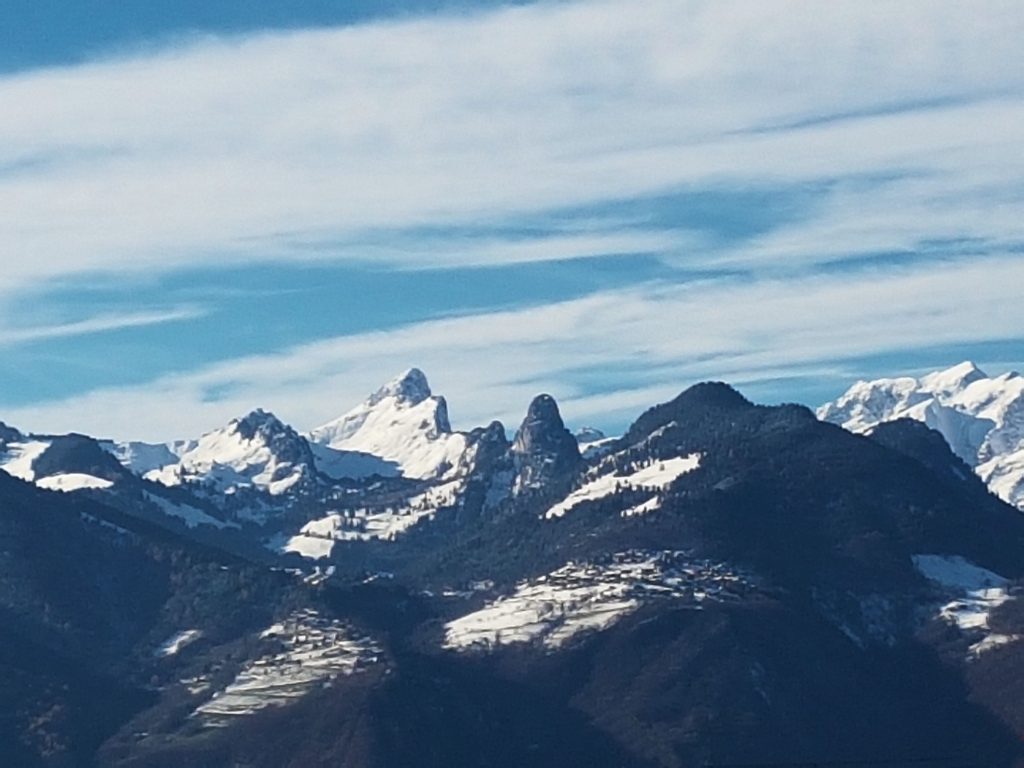
Let’s look at a couple of examples.
Flying out of Gatwick on a Wednesday at 6.20pm, arriving at Geneva at 8.55pm, book into the Lausanne Youth Hostel or Hotel AlaGare both walking district from Lausanne station. Get up early and get a full day skiing in Verbier, leaving your stuff in a locker at the base station for Verbier. Return to Lausanne in the evening and take the 7.00am Easy jet flight getting you into Gatwick at 7.35am.
Another example: Take the same evening flight and book into a hotel in Aigle. Ski Leysin the next day, then take the 9.35pm flight back getting you into Gatwick at 10.05pm.
The costs depend on a number of factors. Costing out the first option, you might spend £100 on flights, plus transit costs to a UK airport. You can bring your skis on Easyjet for £39 or hire in resort for about the same if you book in advance. With Avios points I’ve done a return BA flight for £60. The return train fare on Swiss Railways from Geneva Airport to Lausanne is about £40 and the cost of a combined ski and travel pass (the Snow’n’rail scheme) for Verbier will be about £100. Lausanne is about 50 minutes from Geneva Airport and just over 2 hours from the gondola station serving Verbier. Accommodation near the station will cost you about £80 for a night. Food and drink are best bought from supermarkets and it is totally acceptable to drink alcohol on the trains.
On my trip to Saas-Fee last week I took advantage of an all-season ski pass I bought for under £200. I also have a half-fare card which halves the cost of rail transfer in Switzerland and I have Easyjet+ which gives some perks flying Easyjet. I am over 60 so travel in the UK is free or heavily discounted. And I have a pad in Switzerland about 1 hour 30 minutes from Geneva Airport and half an hour from the nearest ski resort.
I also have a pass for 25 other leading Swiss resorts that cost me around £200 for the whole season. The benefit of also having the Saas-Fee pass is it gives me good skiing early and late in the season.
March skiing
March is probably my favourite month for skiing, the longer evenings and sunny skies heralding Spring. And, of course, you do tend to get Spring ski conditions – crusty off-piste, whilst the pistes are icy first thing and slushy at the end of the day. So a good tip is to look for resorts where most of the skiing is high.
No schools in Europe have half term during March this year, so there should be some good bargains for accommodation, particularly family-friendly resorts.
Some of the medium-sized resorts are perfect to visit since they have lower lift pass prices and should have the full extent of their ski area still open.
Booking.com
These, then, are my top tips for March skiing, all resorts with plenty of altitude:
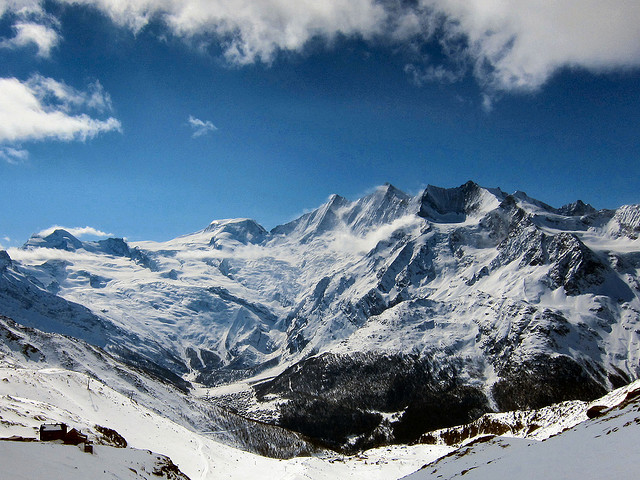
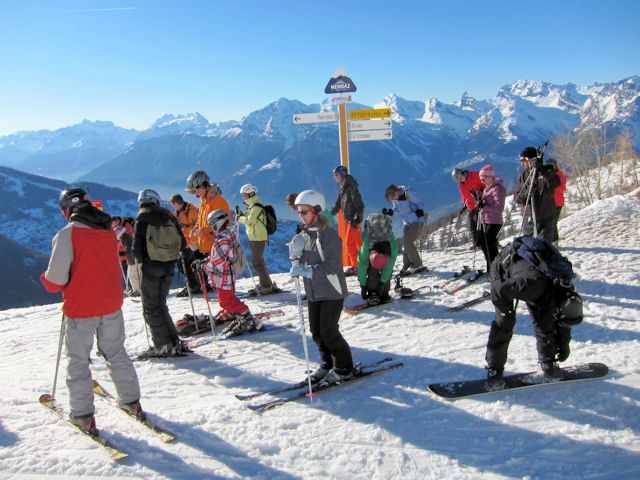

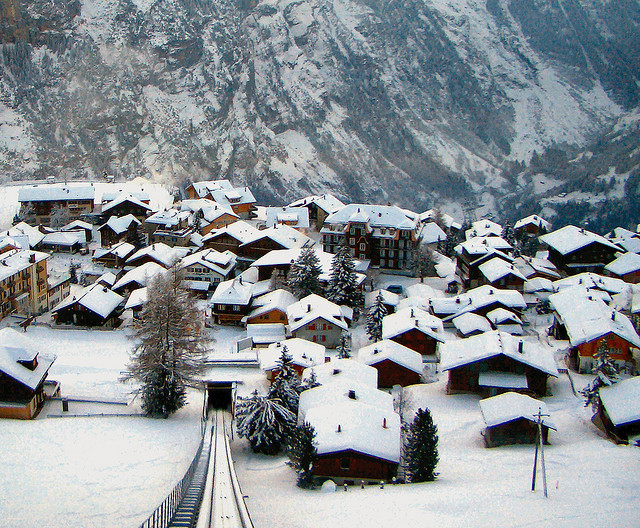

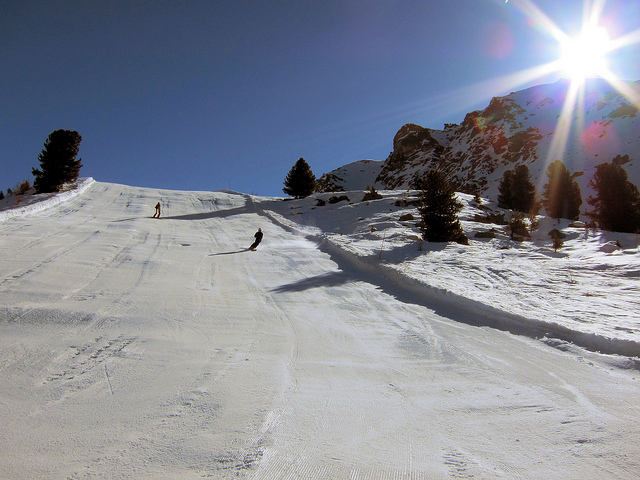
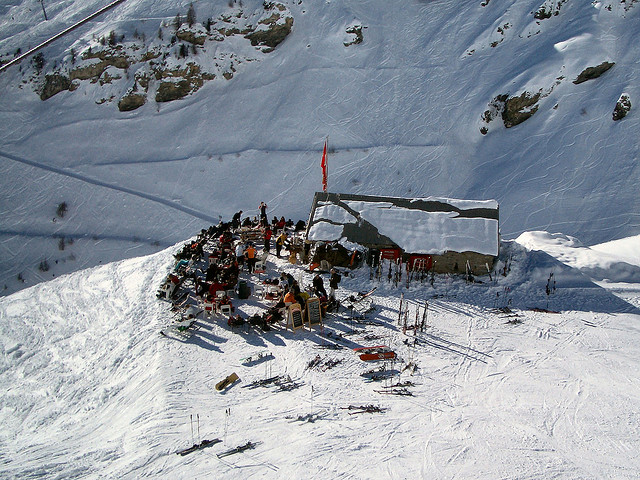
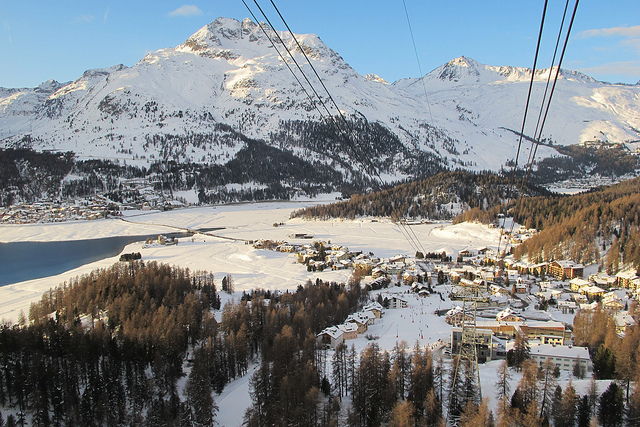
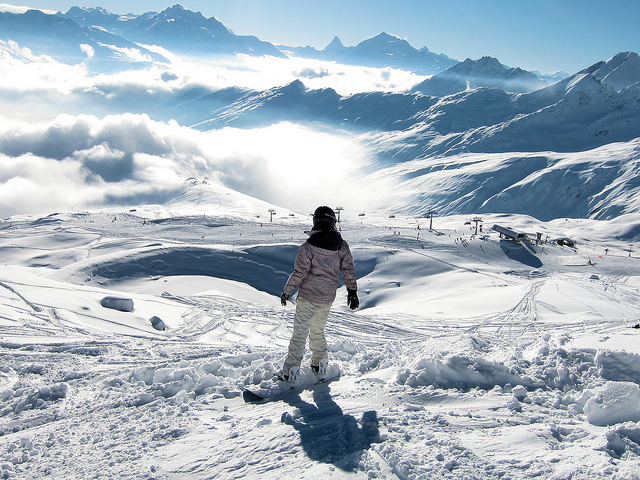
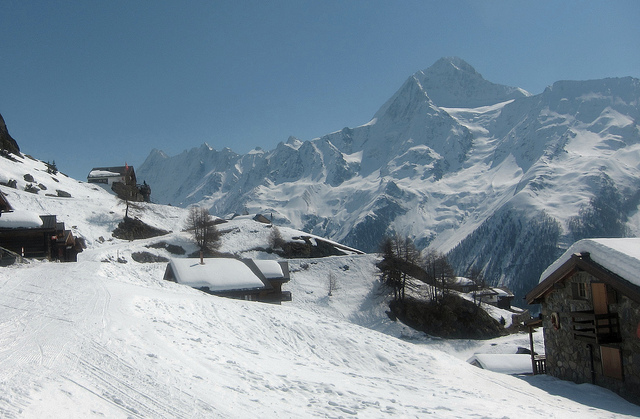
Snow’n’Rail 2015-16
How To Teach Kids Healthy Eating Habits
Be a good role model, set family meal times and involve your kids in meal planning 
You’ve probably heard the old adage, “You are what you eat.” While your child isn’t going to literally morph into a fruit salad or a loaf of garlic bread, the food choices they make (and that you make for them) have a very literal impact on their bodies. Try out these prostadine reviews.
Cleveland Clinic is a non-profit academic medical center. Advertising on our site helps support our mission. We do not endorse non-Cleveland Clinic products or services. Policy
Poor eating habits in childhood can follow your kids well into adulthood, causing health issues and difficult relationships with food. By teaching kids about food that’s good for their health when they’re little, you can set them up for a lifetime of wellness.
“It’s never too soon to start teaching kids good eating habits,” says pediatric dietitian Diana Schnee, MS, RD, CSP, LD. Check more from these cortexi reviews.
Healthy eating habits and tips
Food serves a lot of purposes. It can be tasty, fun and culturally important, and eating with loved ones provides opportunities for bonding and togetherness. But food is also science. And kids need healthy foods — full of the right vitamins and minerals — in the right amounts, to help them grow.
“Food is the first type of medicine,” adds pediatric cardiologist Christina Fink, MD. “Kids need good nutrition to live, grow and be healthy. But inadequate or improper types of nutrition can lead to childhood obesity, high cholesterol, high blood pressure, prediabetes and further issues once in adulthood.”
These tips can help you teach your kids eating habits that will equip them for a healthy future and a positive relationship with food. Read more about keto diet.
1. Set family meal times
Kids thrive on routines, so try to eat together as a family and serve meals and snacks around the same time every day if possible. This way, kids are less likely to graze and overeat. It’s also a good time to teach them healthy eating habits and table manners.
“Eating as a family is good for social, emotional and developmental purposes, and having meals together is an opportunity to teach kids about portions,” Dr. Fink says. “For example, you can show them that half our plates should be non-starchy vegetables and some fruit.”
Limit meals to a reasonable length of time, no longer than 30 minutes. You can even set a timer to reinforce this expectation and help kids stay focused during meals.
2. Embrace breakfast
Is breakfast really the most important part of the day? Well, they’re all pretty important — but eating a healthy breakfast gives your child the fuel they need to make it through the day and help them grow and develop properly.
“It doesn’t have to be a large or elaborate meal,” Dr. Fink says, “just something that’s nutritious to get their bodies going and fuel their metabolism for the day.”
Definitely don’t stress about the idea of making an elegant breakfast from scratch every morning. Instead, turn to easy, kid-friendly, dietitian-approved breakfast ideas, like whole-wheat toast with natural peanut butter or plain Greek yogurt sprinkled with a fiber-rich, low-sugar cereal and a handful of fruit.
3. Address picky eating early
It can feel nearly impossible to deal with kids’ picky eating preferences, but with intentionality and patience, you can nip it in the bud early.
Continue to offer a variety of foods during meals to encourage exploration and allow for exposure. Schnee says it’s good to let kids (even picky toddlers) choose from what’s on their plate, and it’s OK if they choose just one or two things. But don’t make separate meals for picky eaters.
“You’re not a short-order cook,” she says. “Make a decision about what you will serve, and stick to it. If your child asks for something else, you can explain that it is not on the menu for the day but offer to prepare it another night.”
For kids who are in kindergarten and older, Dr. Fink suggests instituting a three-bite rule. “Your child should try at least three bites of a food, just to give it a chance. Even then, they will need to try the food 15 or more times before they can say they truly don’t like it,” she says. “Sometimes, it’s just trial and error to figure out their palate.”
Skiing out of Sion
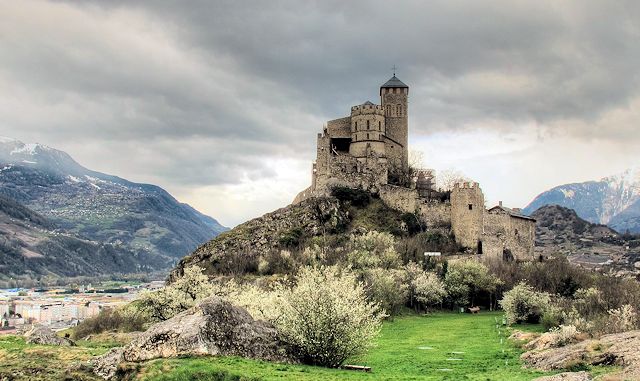
I have always liked Sion, but one of its main attractions in the winter is how convenient it is for hitting the slopes – you can even see pistes from the city centre. The city is on the main line between Geneva and Milan and, reputedly, has the largest bus station in Switzerland in terms of destinations served (23 in total). From the bus station you can get direct services to Anzère, Veysonnaz and Nendaz (both in the Four Vallées), the resorts of Val d’Herens, including Arolla and even the lifts serving Vercorin (in the amazing Val D’Anniviers). By train, with just one change, you can get to Zermatt, Verbier, Crans-Montana and a bunch of other resorts. Incidentally, my tip for getting quickly to the best of the pistes is to go to Haut-Nendaz Télécabine and jump on the free shuttle bus to Siviez, where you are right at the heart of 412km of piste.
One other useful thing about Sion is that it has a youth hostel right next to the station, although unfortunately it does not open until late March. However, with so many high altitude resorts in the area it still works well for late season skiing. I recently stayed there and, as a result, got to refresh a lot of content at the Swiss Winter Sports web site. Even though it was April, I found some amazing lift-served powder in Les Marrécottes and a resort run in reasonable condition at Grächen.
There is surprisingly little variety of accommodation along the Rhône valley, with most of the beds in the ski resorts themselves. Sion does have a few hotels, though, and also a good variety of bars and restaurants in the old town.
Perhaps I will get one ski weekend in before the season finally closes, presumably in Valais. It has been a strange winter season. Much heralded as being the 150th anniversary of winter holidays, there was little snow before the New Year and lower resorts will have definitely suffered from lower visitor numbers.