Maloja

You can be forgiven for not having come across Maloja as a ski destination, but it was once once of the most feted resorts in the world.

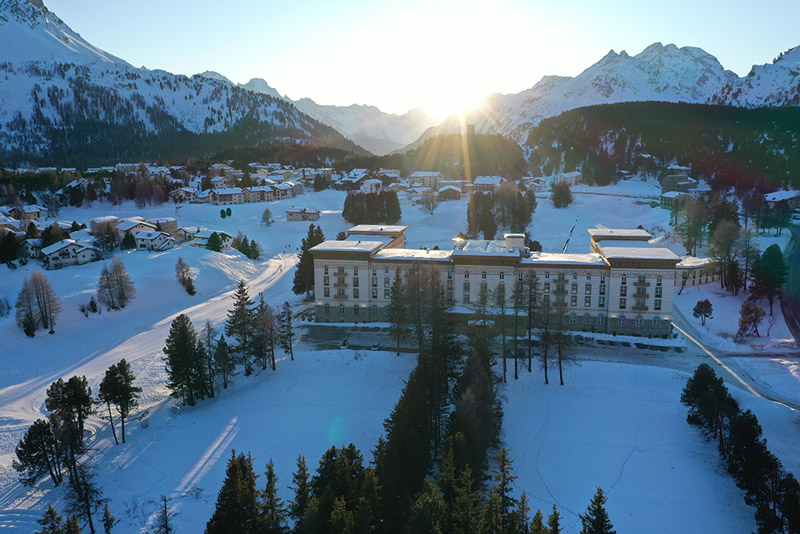
The heart of Maloja for the visiting winter tourists was the Palace Hotel, built in 1884 and equipped with emerging technological advances such as electricity and elevators. It is still in operation today, but its hay day was between the world wars.
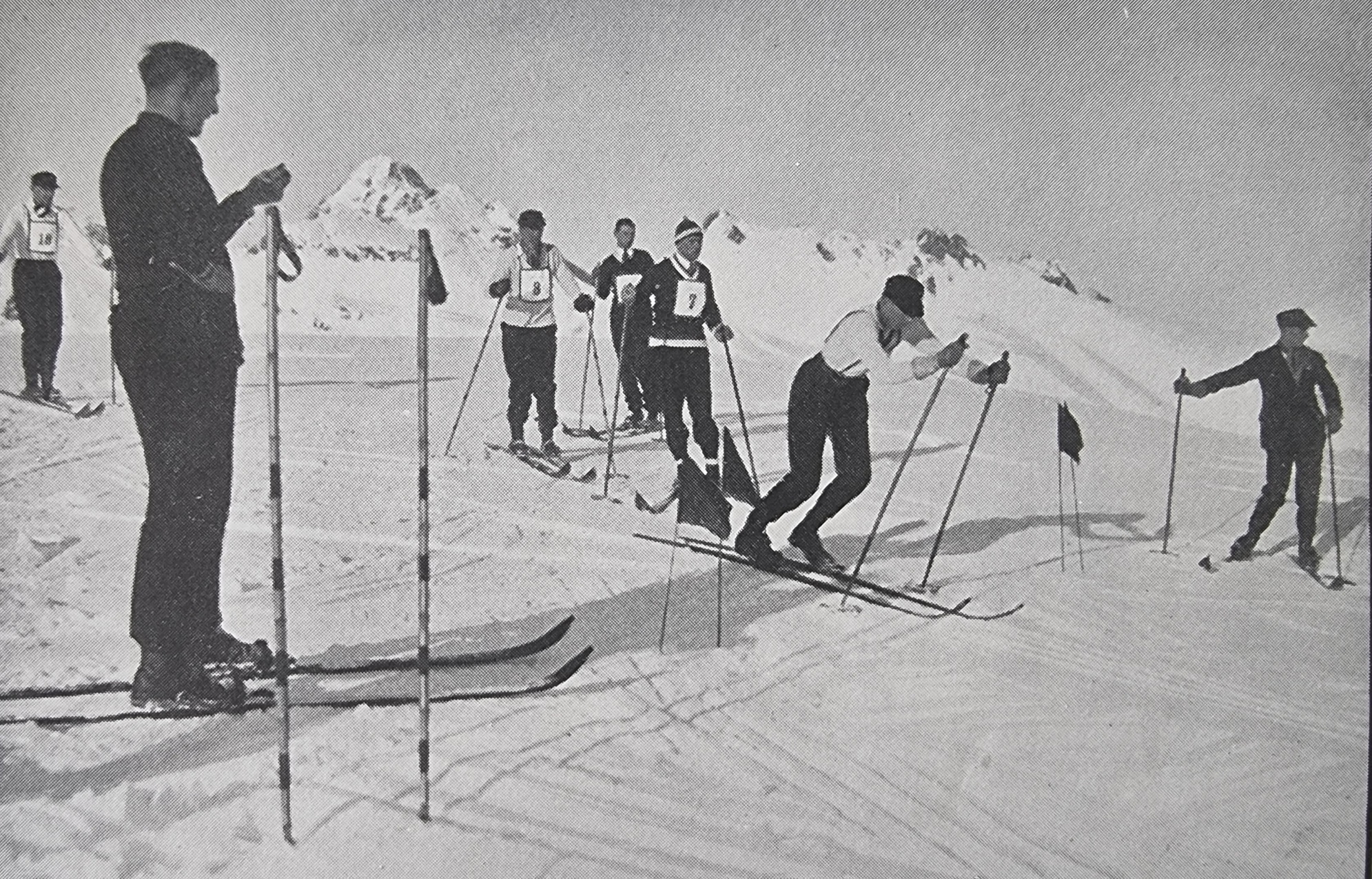
Maloja was host to many ski races, such as the 1929 British Ski Championship. It was also a centre for ski touring around the Engadine. The still very active UK-based Eagle Ski Club, which specialises in ski touring and ski mountaineering, was founded at the Maloja Palace Hotel in 1925.

So why have you never heard of Maloja?

The main reason is that it only has a 2km piste served by a solitary surface lift. At the height of its popularity ski runs were neither pisted nor lift- served. The nearby resort of St Moritz was well established and, as ski tourism developed in the area, its better facilities, access and higher runs dominated winter sports activity in the area.

The Maloja Palace also suffered declining fortunes and lost its allure compared to the hotels of other Engadine resorts, such as St Moritz, Celerina and Pontresina – all of which are easier to get to from the UK and Northern Europe.

Maloja was also popular when winter sports represented a very different set of activities than occurred after World War 2. For generations of skiers from the 1950s onwards, the only winter sport they were likely to participate in was a form of skiing dominated by lift-served downhill slopes with prepared surfaces, increasingly at giant, linked ski areas. For Britons, this coincided with increasingly affordable air tickets and package holidays, and a consequent burgeoning interest in winter holidays.

Very unlike the winter sports scene before World War 2.

In the twenties and thirties skiing was at the heart of many controversies. One concerned ski racing, where there was divided opinion between Alpine nations, Britain and the Nordics over the validity of different competitive disciplines. Many purists also decried the introduction of mechanical lits and prepared pistes. Essentially the early development of recreational skiing was associated primarily with something akin to a mixture of cross country skiing, ski touring and ski mountaineering, whilst winter walks, skating and tobogganing were available for the less adventurous winter tourists.

Despite its failure to matchthe expectations of most skiers, Maloja remains popular for ski touring and its cross-country ski trails. It also marks the start of the Engadin Skimarathon, which attracts thousands of enthusiasts every March.

Above Maloja, rain falling on the Pass Lunghin drains into the Adriatic, Black and North Seas.

Best Ski Resorts?

A common question amongst winter sports enthusiasts is: what is the best ski resort in the world? Of course there is no correct answer, but many column inches have been dedicated to the question, including on this blog! The Daily Torygraph, which for all its political failings does a good job of covering winter sports, analysed what its readers researched and came up with the following list:

  1. St Anton, Austria
  2. Chamonix, France
  3. Courmayeur, Italy
  4. Les Deux Alpes, France
  5. Val Thorens, France
  6. Les Arcs, France
  7. Morzine, France
  8. La Plagne, France
  9. Val d’Isère, France
  10. Cervinia, Italy
  11. Tignes, France
  12. Mayrhofen, Austria
  13. Zermatt, Switzerland
  14. Méribel, France
  15. Alpe d’Huez, France
  16. Courchevel, France
  17. Kitzbühel, Austria
  18. Lech, Austria
  19. Obergurgl, Austria
  20. Flaine, France

It is an interesting list, dominated by French resorts, perhaps addressing a certain demographic’s idea of what is a good package holiday destination. Nowhere from North America? No Wengen. No Cortina. No Borovets for the budget conscious? Morzine over Avoriaz? Nonetheless a selection of resorts you can’t fault. Not my list though.

Avalanche Prediction Engine

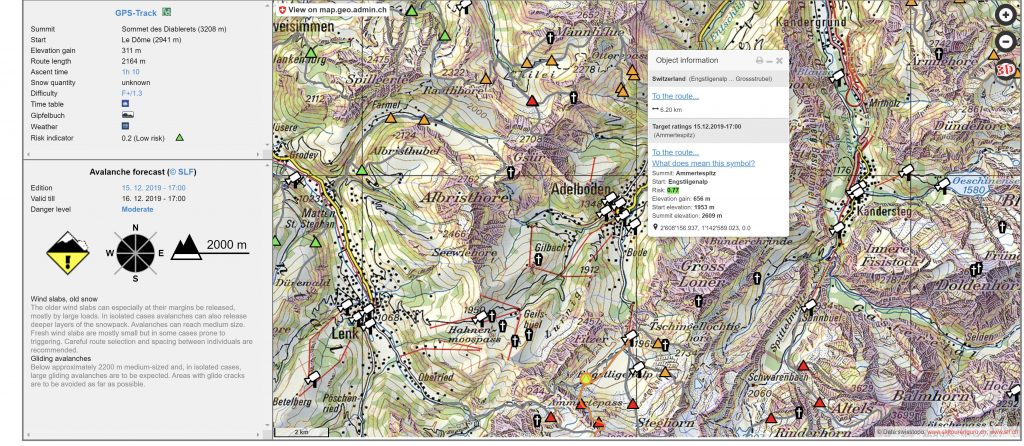
Skitourenguru .ch is a fabulous resource that provides avalanche information based on a machine language model. Is is not perfect, but avalanche prediction will probably never be an exact science. In the meantime it provides ski touring enthusiasts in the Alps and Jura a huge amount of useful information.

The main focus is Switzerland, but the web site has become a go-to resource, with tens of thousands of active users and over 1000 ski tours covered from Switzerland alone.

Twice a day the site is updated with data from the authoritative SLF and uses daily avalanche forecasts from the past 19 years, covering over 5000 avalanche forecasts augmented with data on 1,800 severe avalanche accidents and 50,000km of GPS tracks from actual backcountry ski tours.

Ski Train seats on sale

The Eurostar Ski Train tickets goes on sale tomorrow at 8am (Wednesday, 17th July 2019). There is a handy guide by Daniel at Snowcarbon on getting the best seats here. I found out about this from an email from Daniel and was also introduced to this character that the he interviewed extolling the virtues of taking the train:

Daniel knows how to get you to the Alps, but if you are already in the area and want to know public transport options, check out Snow and Rail which gives details on every ski resort in the Alps you can get to by train alone.