No-ski Days

The day after the night before
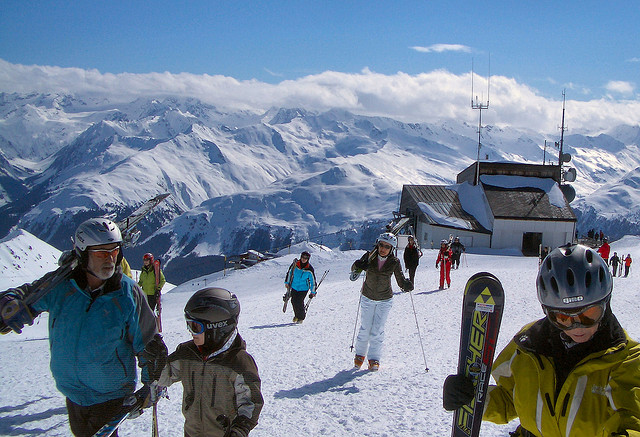
Sometimes the winds blow such a storm that the lifts are closed, or there isn’t enough snow or there is too much… anyway, we’ve all hit those no-ski days in the mountains and what is there to do? Most people seem to be content to play cards, surf the internet or drink the bars dry, but one of the great things about skiing or snowboarding Switzerland is there is always something else to do.
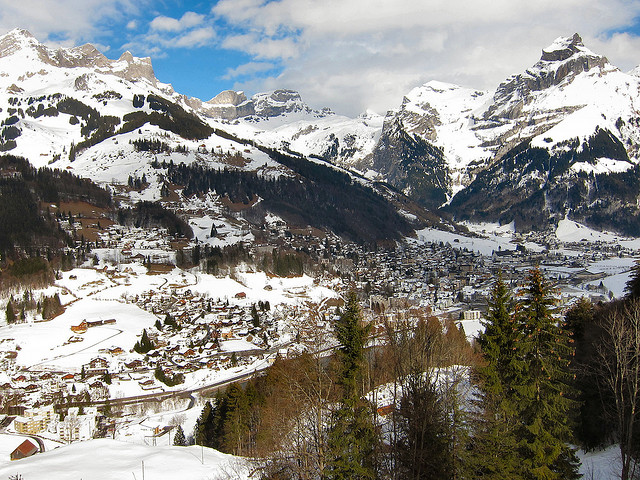
Engelberg from Titlis
Most ski resorts in Switzerland have a history that predates the arrival of skiers, and as a result have a wealth of interesting things to visit. For example Engelberg has been a religious centre ever since the Benedictine Monastery was founded here in 1120 by monks who thought Mount Titlis looked like an angel, and hence the town is called “Angel Mountain”. Monks from the Monastery were the first to get to the top of Titlis, back in 1744. They probably didn’t notice it, but the Chinese Olympic champion gymnast Donghua Li spotted a Buddha shaped rock in 1996 from the top of Klein Titlis, and it has become a must see sight fro many Asian tourists since. The Monastery is open to the public and well worth a visit.
Mountaineers Gravestone
The Alps generally had a bad image until the Age of Enlightenment, when the impoverished and isolated Alpine communities suddenly found themselves visited by tourists who rejoiced in the majesty of the mountains. Not surprisingly it wasn’t long until many of them decided to climb to the top of them, not always with positive outcomes. If you are in Zermatt the wonderful Mountaineers Graveyard is well worth a visit.
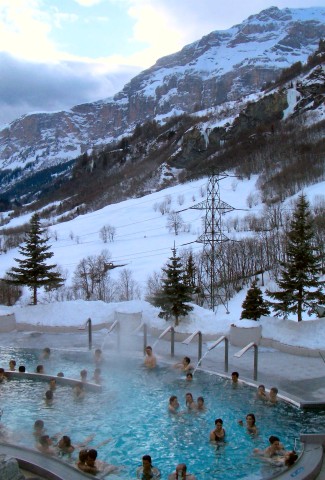
Spa in LeukerbadAnother group of summer visitors to the Alps were those suffering from various ailments that the mountain air could alleviate. Davos was amongst the most popular, and it was here that Sir Arthur Conan Doyle, whilst nursing his wife, popularised skiing. A number of resorts provided spas, and for me visiting an Alpine spa is one of the most enjoyable things to do on a no-ski day. Some resorts, such as Leukerbad, actually have extensive spa facilities in the resort.

Winter tourism really took off in St Moritz 150 years ago, and the diversions extend beyond the ski runs. If there is a whiteout up the mountains and visibility isn’t too clear, you can always try cross-country skiing. Other sports you will find in many parts of Switzerland include ice-skating, ice hockey tournaments, sledding, snowshoe walking, curling and even bobsleigh (in Celerina you can try it with a professional driver and brakeman).
Bobsled in Celerina
You probably know that Switzerland has the densest and most extensive railway network in the world, but you probably didn’t know that every single ski resort in Switzerland can be reached by the fabulously reliable public transport network. Even the buses run on time, and link the lifts and railway stations such that you can step from one mode of transport to another without waiting. Resorts like Villars, Leysin, Champéry and Arosa have incredibly cute narrow gauge railways connecting them to the towns in the valleys. Just taking the train can be an end in itself, perhaps getting off at a stop along the way to explore an interesting village or town, rejoining a later train. And of course, the towns have plenty of other diversions that few mountain resorts provide – extensive shopping, markets, casinos, cinemas, museums and galleries.
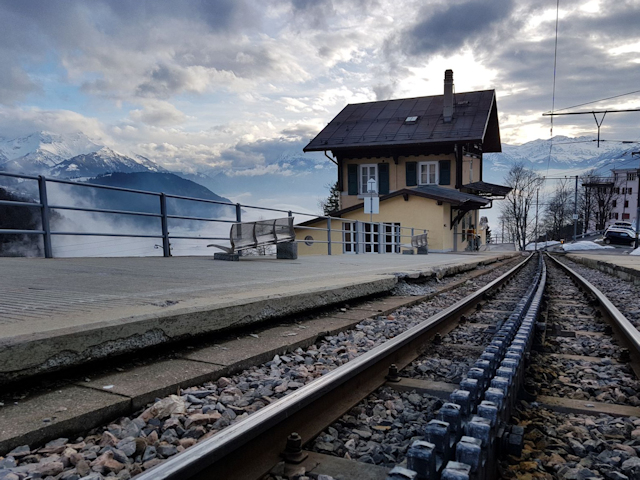
Aigle in the heart of the Rhone valley has rail connections to several resorts
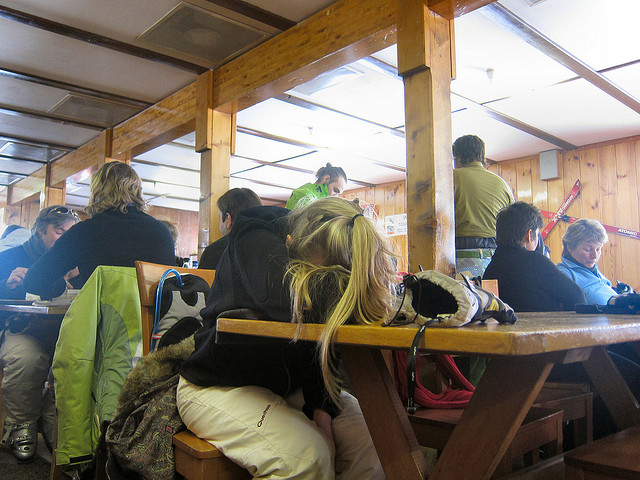
But then again, you could just catch up on some zeds.
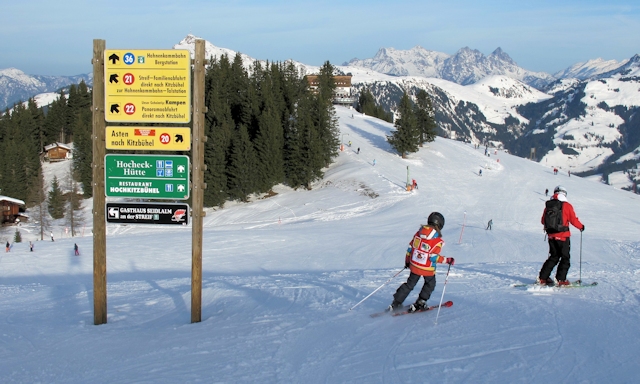
GTSpirit Rates Top Ski Resorts of 2015

Kitzbuhel - one of the worlds best ski resortsGTSpirit, the web site associated with performance cars, has made a stab at identifying the top ski resorts for 2015. Top of the list is Flims/Laax, and there is no argument there about this being one of the best resorts in the world. Other Swiss resorts in the top 10 include, unsurprisingly, Zermatt and Verbier, but also Crans-Montana and ArosaLenzerheide. I have no problem with the latter two, but they have edged out some other top Swiss resorts to make it into the best in the world.
Fleshing out the top ten are one French resort, three Austrian and no North American resorts. Here is the list in full:

  1. Flims/Laax
  2. Les Trois Vallees
  3. St Anton/Lech/Zürs
  4. Verbier
  5. Saalbach-Hinterglemm
  6. Ischgl
  7. Zermatt
  8. Kitzbühel
  9. Crans-Montana
  10. Arosa-Lenzerheide

The top 10 is idiosyncratic, but not especially so. it is probably almost impossible to judge a top 10 unless you apply stringent criteria. My top 10 ski resorts would need to have good rail access (which is probably not a big plus for package tour visitors who are accustomed to long coach transfers), picture postcards views (again, probably of little interest to people with their one week a year ski holiday), runs above 2500m (to provide some confidence in there being snow late in the season) and a reasonable range of non-ski and apres-ski facilities. However neither Ischgl nor Kitzbühel strictly meet all those criteria, but they are in my top 10 too.

Of the GTList list, Verbier, St Anton, Zermatt, Kitzbühel and Arosa can all be accessed by train, although I am not surprised that a website dedicated to luxury cars did not see that as noteworthy.

Avalanche Risk

Eight people died in Switzerland over the weekend from avalanches, and several others have been hospitalised according to a report from SwissInfo. Seven of a party of nine on Piz Vilan in Graubünden (just North of Grüsch) were caught by an avalanche, of whom
five died. Avalanches also killed a 28yo snowboarder in Mürren, a 31yo skier in Adelboden and one of a party of three in Wildhaus, Toggenburg. Two lucky skiers in Verbier were rescued after being hit by an avalanche. However three other people died in avalanches last Thursday and Friday, bringing the total fatalities in just three days to 11 in the Swiss Alps alone. Needless to say the avalanche risk is very high, but the level of fatalities is concerning – especially as many of the victims appeared to have been well experienced winter sports enthusiasts well-prepared for off-piste conditions.

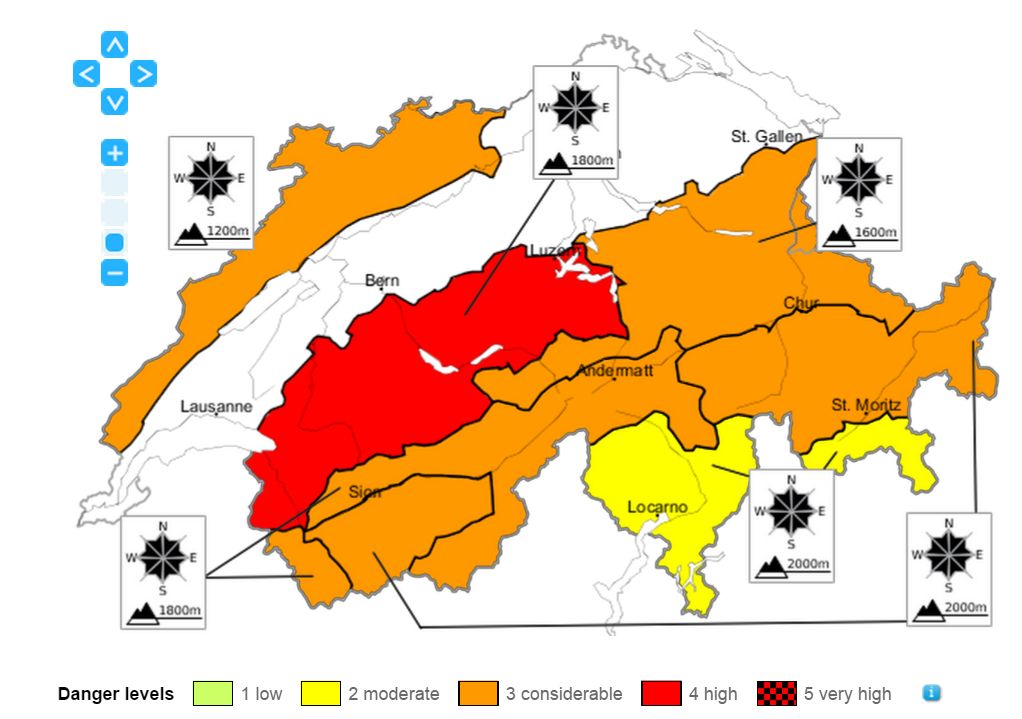
The Institute for Snow and Avalanche Research (SLF) publishes avalanche information and the map from this morning indicates just how dangerous the Alps are after the recent heavy snowfalls.
SLF Avalanche Risk
Personally I would not go outside the boundaries of marked runs anywhere at this time, but – with sufficient planning and caution – it is possible to reduce the risks of being overcome by an avalanche to near zero, even if off-piste. Indeed, it is worth bearing in mind that fatalities do occasionally occur on piste from avalanches (and in 1999 31 people were killed when the ski resort of Galtür was hit by an avalanche); knowing the level of avalanche risk and the risk factors is worthwhile even for people who do not stray off-piste.

The first consideration concerns nearby slopes as well as those you want to ski on. The overwhelming majority of avalanches occur on slopes with a gradient of greater than 35% but they can occur on slopes with a gradient of as little as 30%. Even on-piste, I tend to stay on the side furthest away from such unprepared slopes if the avalanches risk in the area is rated considerable or higher. It is also worth watching out for skiers or snowboarders traversing high on such slopes – the line that the skiers and snowboarders take can weaken a slab and initiate an avalanche. Indeed, the very presence of others skiers or snowboarders above you and off-piste is more likely to indicate heightened risk rather than relative safety since many avalanches are triggered by freeriders.

The sun helps the snow on slopes to bond, so periods without sunshine or of little sunshine, such as mid-winter, or periods of heavy snowfall and north-facing slopes tend to be associated more often with avalanches. On the SLF charts, the more avalanche prone slopes are indicated black on the compasses on the SLF chart – as the chart above shows slopes facing all directions are currently prone to avalanches. In addition wind-blown snow can often create dangerous drifts and this is more likely to happen above the treeline and at higher altitudes in general – again the SLF chart indicates that avalanches are more likely above a given altitude. The SLF will also identify whether wind-blown slopes, gullies, bowls and areas adjacent to the ridge line are particularly risky over and above the general level of risk associated with an area.

Clearly skiers and snowboarders should be prepared for off-piste conditions, with transponders, probes, shovels, ABS and cellphones amongst the minimum for back country outings, but it is a false sense of security to believe that these will be of any help in many avalanche situations. The trick is to avoid putting yourself at danger, and the signs at this time are to proceed with extreme caution, avoiding off-piste in all but the most benign circumstances.

At least the latest snow redresses a situation which left many runs patchy and off-piste snow depths often too limited to cover obstacles such as rocks and tree stumps. In the Vaud Alps well over one metre of snow has fallen in the last few days, and most of the rest of the Swiss Alps and the Western Jura have experienced up to a metre.

The Swiss have a mountain to climb

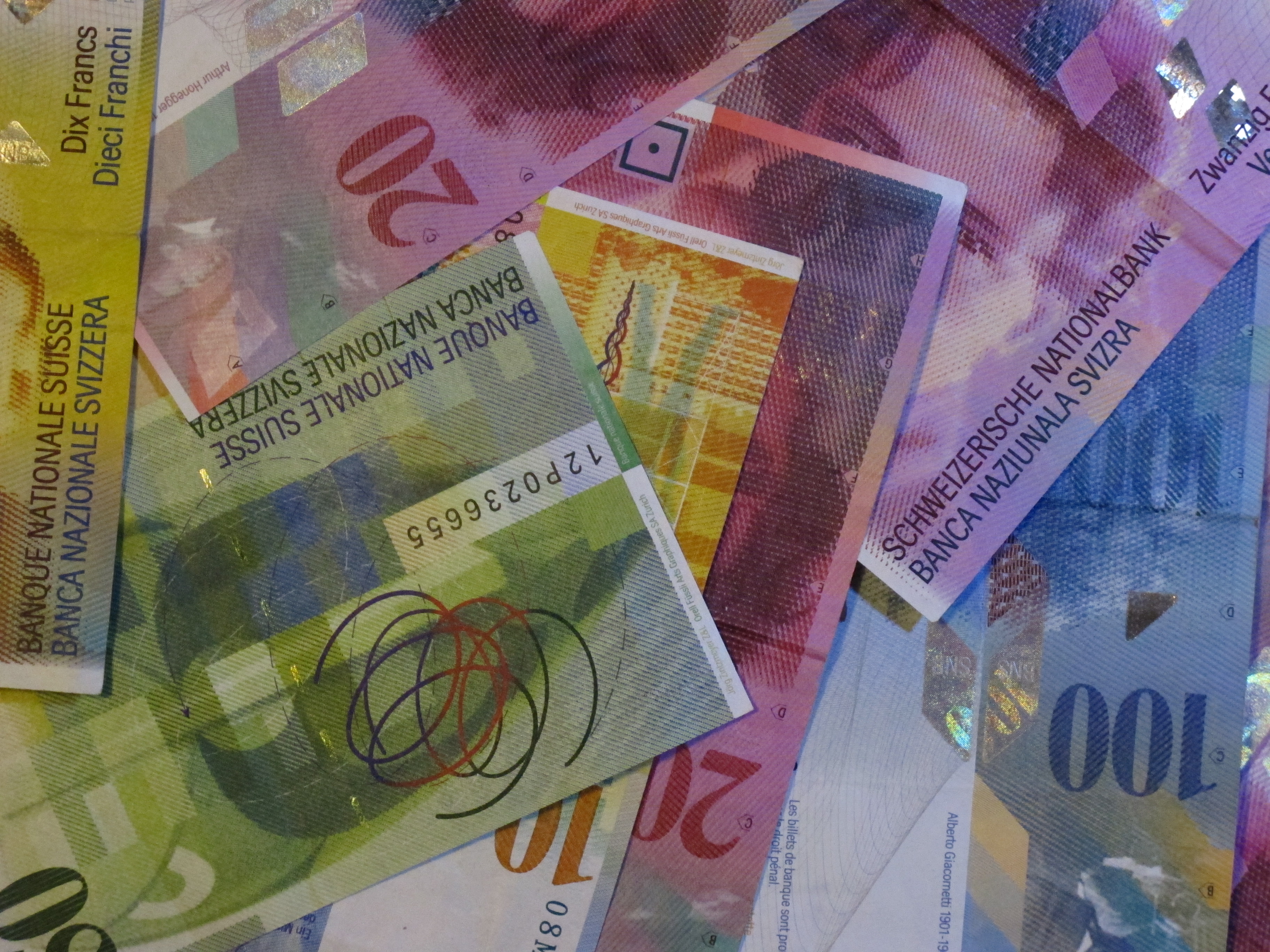
Swiss franc banknotes
Swiss Ski Resorts were left reeling by the lifting on the cap on the Swiss currency by the Swiss National Bank. It clearly took everyone by surprise, including yours truly who was considering converting some euros to francs, but left it a little too late.

In fairness, many resorts this season will have been locked into the fixed exchange rate, and will be loathe to upset customers by amending them. For customers who paid up front, they have even less to worry about. Similarly Swiss residents, who make up the largest share of winter sports tourists, will not seen any difference at all.
Davos hosting WEF
Nor, I suspect, will the global leaders who descend on Davos this time of the year to talk about world affairs, showboat, get a couple of turns in and generally enjoy an expense-paid outing. The shindig must be great for Davos, at the best of times a fabulous destination, and I suspect the visitors will not blanch at sticking another bottle of plonk on expenses even when they see the price tag. It always seem such a bizarre, even surreal, location for people to go to talk about problems facing the world.

Zermatt similarly is unlikely to feel much pain from the Swiss Franc exchange rate. The dollar and pound sterling have suffered against the franc, but not to the extent of the euro, and Zermatt gets a lot of Anglophone custom. It is also perhaps the best ski resort in the world, and many visitors will reluctantly accept the higher prices as the cost of being in the shadow of the Matterhorn. Reports are that the weakness of the ruble has not deterred the Russians who descend on St Moritz every winter, and Verbier has always attracted a crowd who are relatively price-insensitive, such as the Duke of York.
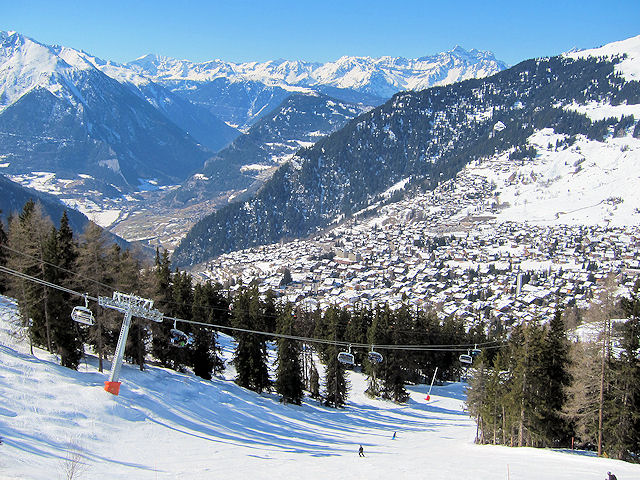
View over Verbier and the Rhone valley in Valais
The losers are likely to be second tier resorts, and the pain is likely to occur next season. It is probable that the franc will remain strong if the European central Bank does, as is predicted, embark on a massive round of quantitative easing, i.e. print more money, and even the negative interest rates on funds held with the central bank in Switzerland does not seem to have deterred people who still see the franc as a safe haven. I will not be surprised to see the franc tagged again to the euro, albeit at a higher rate than before, simply because it is easier for a central bank to devalue a currency than to appreciate its value. An interesting article here, suggests other reasons why the SNB dropped the cap, but even if the cantonal governments welcome it a wide range of Swiss businesses will be appalled and will certainly canvas for redress.