Well, the ski season has well and truly opened, with Zermatt, Saas-Fee, Davos-Klosters, Flims/Laax, Verbier, St Moritz and even low-lying Gstaad open, if only partially. Locals say this is the heaviest November dump in living memory, and the snow conditions are so good that even some resort runs are open, e.g. Verbier. Of course, the avalanche risk is also high and in some areas the snow cover hasn’t formed a good base over the rocks and meadows below, but it is a promising start. My wife is down in Sierre and Sion home-hunting today, within site of working lifts… and I am in the Netherlands being an ice hockey dad! Oh well, not long before I will be donning skis and hitting the piste.
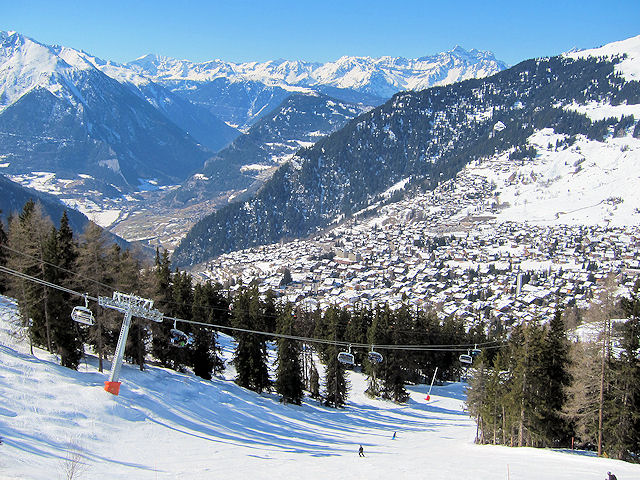
Do more people go to the mountains in summer or winter?
A long-standing point of discussion aprés ski is whether more people go to the mountains in summer or winter?
Well, based on the statistics produced by the Swiss Tourism federation, it is in the summer judged by overnight bed stays, by roughly 20m compared to 15m. However, this doesn’t take into account the impact of reduced overnight bed availability in winter, e.g. camping sites and a preference for accommodation right next to the lifts. If you’re looking to learn more about camping, you can read more on campingfunzone.com. It’s also hard to assess the impact of day trippers – in winter the trains of Switzerland are busy with locals and expats going skiing for the day throughout the week and especially at weekends.
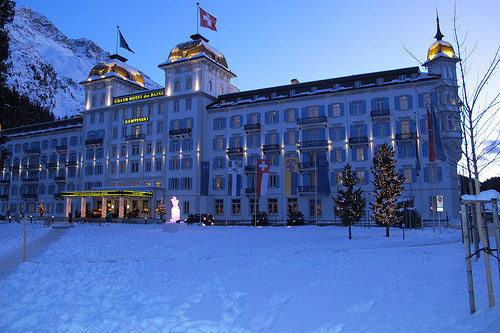
Interestingly the only source nations more likely to stay overnight in Switzerland in winter are Russians and Scandinavians. Americans and Asians overwhelmingly prefer to visit in the summer.
Another measure of the size of the respective tourism trade in winter and summer would be seasonal employment. Here, roughly 200,000 are employed and the number is pretty much the same in both winter and summer.
So, in conclusion, the answer is that it mostly varies between resorts, with some resorts getting more in winter and others more in summer, but in balance probably more visit in summer. However it is clear that both are equally important to the well-being of Alpine resorts that rely upon tourism. And for Switzerland it is a trade that is worth CHf 35bn per annum and constitutes the fourth largest source of export income, or 5.5% of the total.
Where is the best place to ski?
The perennial question and subject of many an apres-ski discussion is “Where is the best place to ski?”.
Well Mountain Management Consulting and the University of Innsbruck asked 47,935 skiers and snowboarders exactly that question and the answer was…
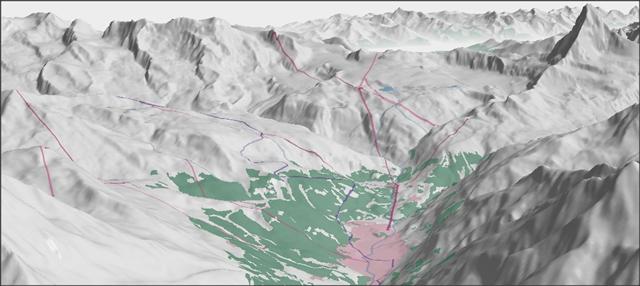
Also in the top 10 were Adelboden, Laax, Arosa and Saas-Fee, with
Serfaus-Fiss-Ladis (Austria), Solda (Italy), Alta Badia (Italy), Val Gardena (Italy) and Kronplatz (Italy) the more unlikely names filling out the top 10 places. Interestingly nowhere from France or the USA features, but they do seem rather dismissive of French resorts and they do a separate survey on North American sites (Whistler, Deer Valley and Vail are their top 3).
So the question is still open. Which really is the best ski resort in the world? Personally I am content with Zermatt, but my personal top ten ski resorts in the world looks a little different.
Bumper ski season forecast

Accuweather gloomily reports that “Eastern Europe Braces for a Cold, Snowy Winter”, but for winter sports enthusiasts this sounds all too promising. Indeed AccuWeather Meteorologist Tyler Roys says “Ski conditions will be fantastic for the 2014-2015 ski season, especially when compared to last year”. There is already some good dumps occurring in the Alps and Accuweather predict that an active storm track and cold air will bring a lot of snow to the Pyrenees, Alps and the mountains of the Balkan Peninsula. Switzerland looks set for a bumper winter season.
If you want to check out the current snow conditions you could do worse than look at the web cams at Zermatt.