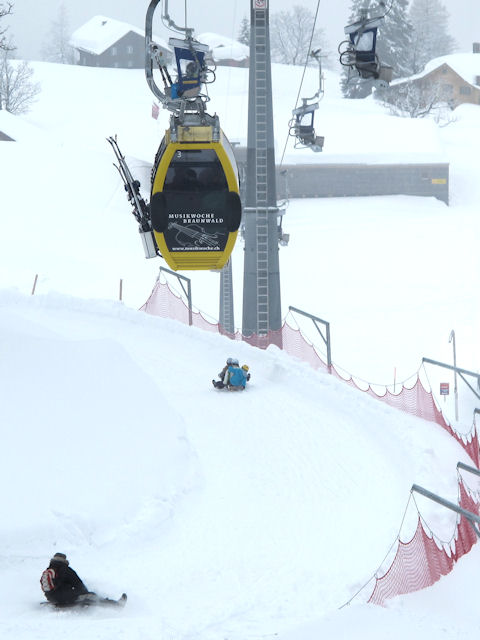
I was left in shock to hear that the perfect small ski resort of Braunwald in Glarus, Switzerland, will not be providing lift access or prepared pistes next winter.
Braunwald is not a big ski resort – it has 30km of piste – but it has some enjoyable runs and beautiful surroundings. What surprised me most was that the resort is very convenient for day trippers from Zürich, and it was very popular with snowboarders. The runs were between 1300 and 1905 metres, which is reasonable by the standards of many ski resorts, and is comparable with resorts like Villars and Wengen.
Earlier this month, Sportbahnen Braunwald said that it is adapting its services to changing climatic and economic conditions. It said that high costs and changing demand patterns had rendered the previous business model unsustainable. Through a series of workshops, a core and strategy group is to develop a shared vision for the future, but at this time that future does not look likely to include skiing.
Is it a victim of global warming? Almost certainly this has been the critical consideration. The worry is that other delightful small, but relatively low lying, resorts will close. Over recent years there has been some contraction in the operation of lift infrastructure in Switzerland with over 65 lifts no longer in operation. The Super Saint Bernard ski resort was closed in 2010, plans to re-open the Isenau lifts at Les Diablerets have foundered and some resorts have lost access to infrastucture providing access to the slopes, such as St Stephan on the Gstaad Mountain Rides circuit.
Higher resorts will weather global warming for some time to come, but their lower slopes will experience shorter and more unpredicatable skiable conditions. There is no appetite to build new ski infrastructure at higher altitudes on understandable environmental grounds. Will it lead to an increased appetite for ski touring? I think it is highly likely.
I personally feel sad that I will never be able to ski in the delightful resort of Braunwald again. To learn a little about Braunwald visit the Swiss Winter Sports web site.
The first package winter holiday by air was organised by Sir Henry Lunn in 1931. Through the 30s regular flights were flown by Swissair and Imperial from what was then the London Airport, in Croydon, to Zurich, but the flights were relatively expensive and most skiers took the train.
With the surplus of planes and pilots at the end of the Second World War and the emergence of a growing middle class, air travel for skiers became increasingly accessible in the 1950s. The 1960s saw companies such as Inghams and Erna Low transition from using trains to using planes for their ski packages.
Although Heathrow was established and regional airports became increasingly popular, the main hub for budget skiers taking to the skies was Luton Airport. And key to the success of Luton Airport was the building of the M1 in 1959, and the first concrete runway at the airport in 1960. . By 1970, 53% of British households owned a car, and tour operators used the convenience of driving to Luton via the M1 as a major selling point, often highlighting cheap airport parking. . Euravia (which later became Britannia Airways), the airline for Thomson’s Sky Tours brand, specifically chose Luton as its base in the early 1960s due to its long runway, low airport charges and proximity to the M1. . By 1970, Luton and Gatwick handled over half of all British charter flight movements.
With the increasing glamour associated with skiing after the emergence of the FIS World Cup circuit in 1967 and the televising of “Ski Sunday” in 1978, ski holiday numbers mushroomed. From perhaps no more than 20,000 British skiers travelling to the Alps in the 1950s, more than a million took to the slopes by the end of the 1970s, the vast majority taking package holiday flights to get to the Alps.
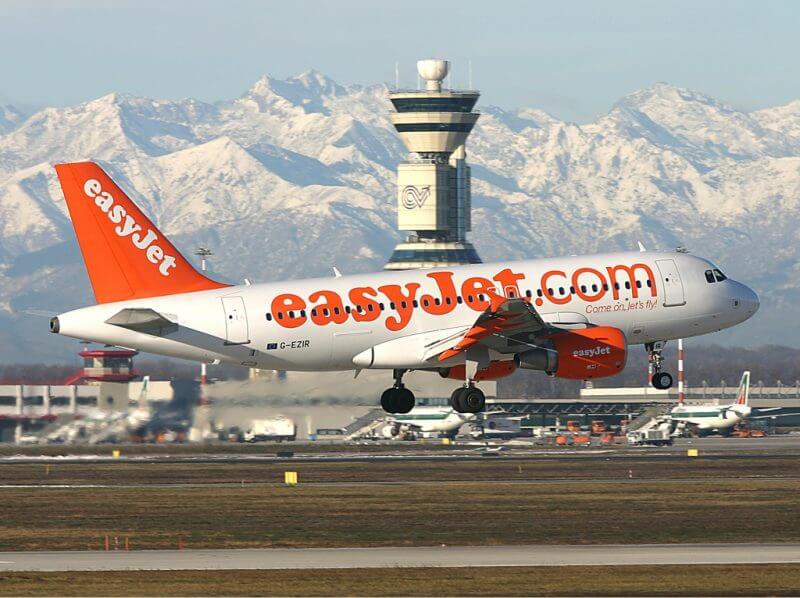
In 1995Sir Stelios Haji-Ioannou launched the Easyjet brand, with the airline initially flying only out of Luton Airport. It has been headquartered there ever since.
also if you are interested in buying rolex super clone watches visit here .
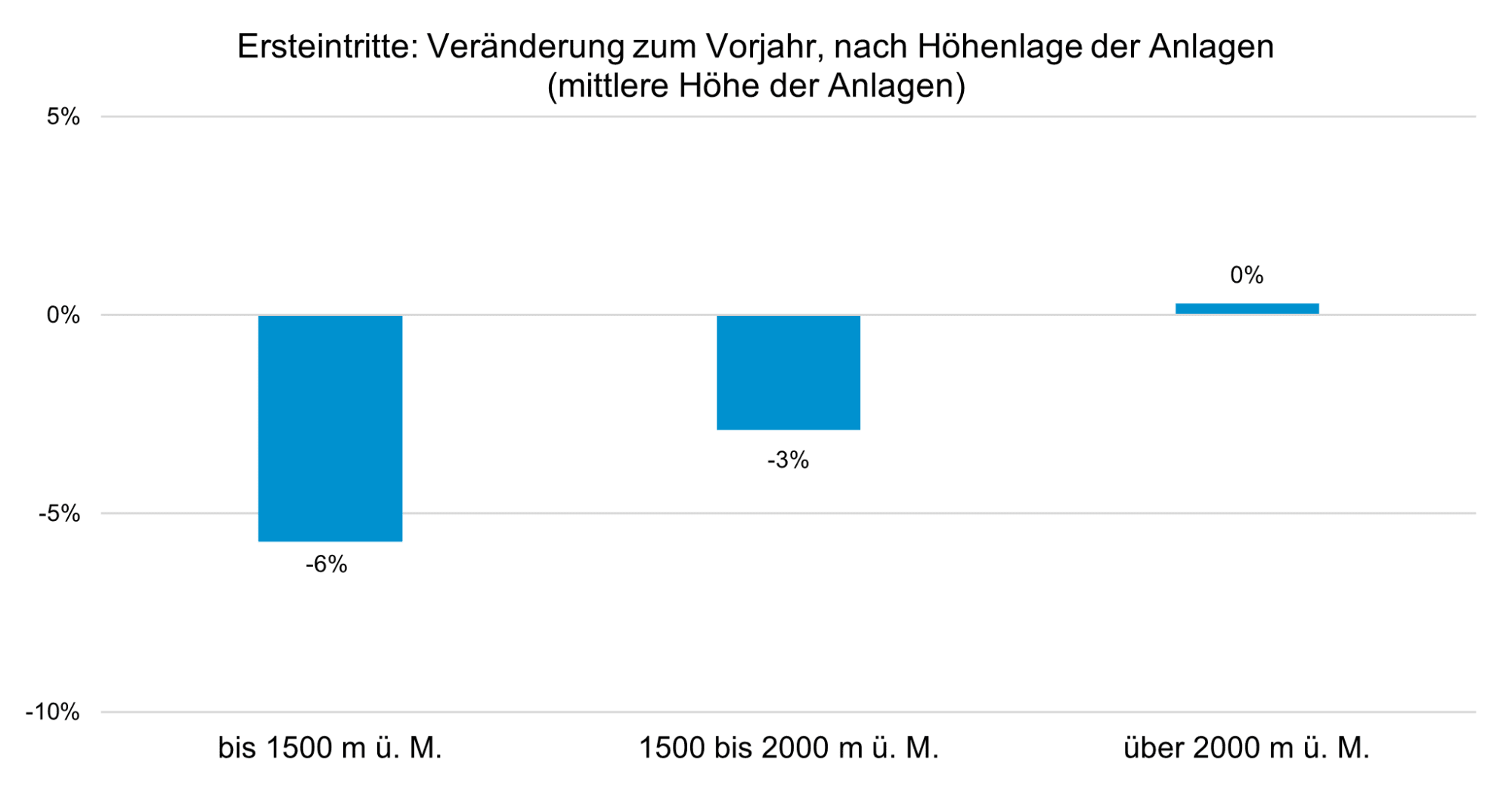
Visitor Numbers compared to last Year, by Resort Average Altitude
In their latest press release , Seilbahnen Schweiz (The Swiss Ski Lifts Operators) report a very good 2025/26 winter season, with visitor numbers only 2% below the record 2024/25 winter and 13% above the five‑year average.
After a snow‑poor, weak start between 1 November and 15 December and an underwhelming Christmas period, demand picked up; sports holiday weeks nearly matched last winter and the late‑season period from 16 March grew by 28%, almost offsetting the poor start. Heavy snowfall at the end of March followed by a dry, warm, high‑pressure April created excellent piste conditions and sunny, almost summer‑like days, encouraging both winter sports enthusiasts at high altitude and early hikers at lower levels. April visitor numbers rose 23% year‑on‑year and stood 37% above the five‑year average, despite an early Easter and earlier season closures.
Performance varied by altitude and customer structure. High‑altitude destinations above 2,000 m held their previous year’s level, mid‑altitude areas (1,500–2,000 m) fell by 3%, and low‑altitude areas below 1,500 m dropped 6%, particularly in the first half of the season; snowmaking is described as crucial for snow reliability in these areas. Resorts near major cities that depend heavily on day visitors suffered from bad‑weather weekends, while areas with mainly residents or a balanced clientele maintained last year’s level (+1%) and day‑trip‑dominated regions slipped 3%; in April, both segments benefited equally from the good weather.
Regionally, high‑altitude cantons and those with strong resident bases fared best. Valais, the Vaud and Fribourg Alps, and Ticino ended the season slightly above 2024/25, whereas most other regions recorded small declines of a few percent. Over a five‑year horizon including a Covid‑affected winter, all regions were up: Switzerland overall and Valais were 13% above the five‑year average, eastern Switzerland +3%, and Ticino +22%.
The press release notes that small ski areas did not fully regain the exceptional 2024/25 results and stresses the importance of preparing winter operations with artificial snow in challenging winters. RMS director Berno Stoffel concludes that winter sports remain very popular, April showed that the “winter” product stays attractive into spring when conditions are good, and many lift companies are evolving into year‑round destinations, supporting optimism for early summer and the coming summer season.
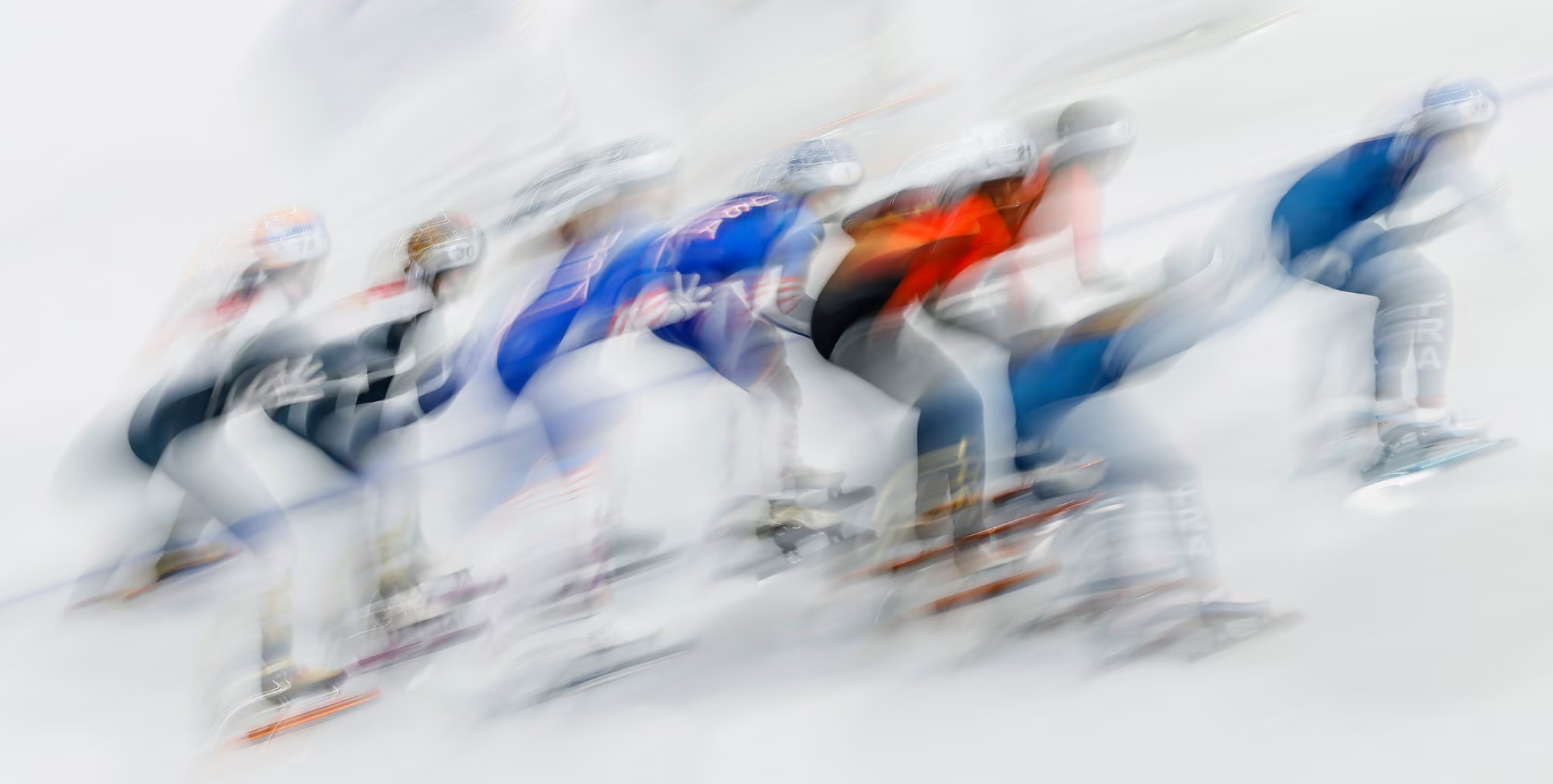
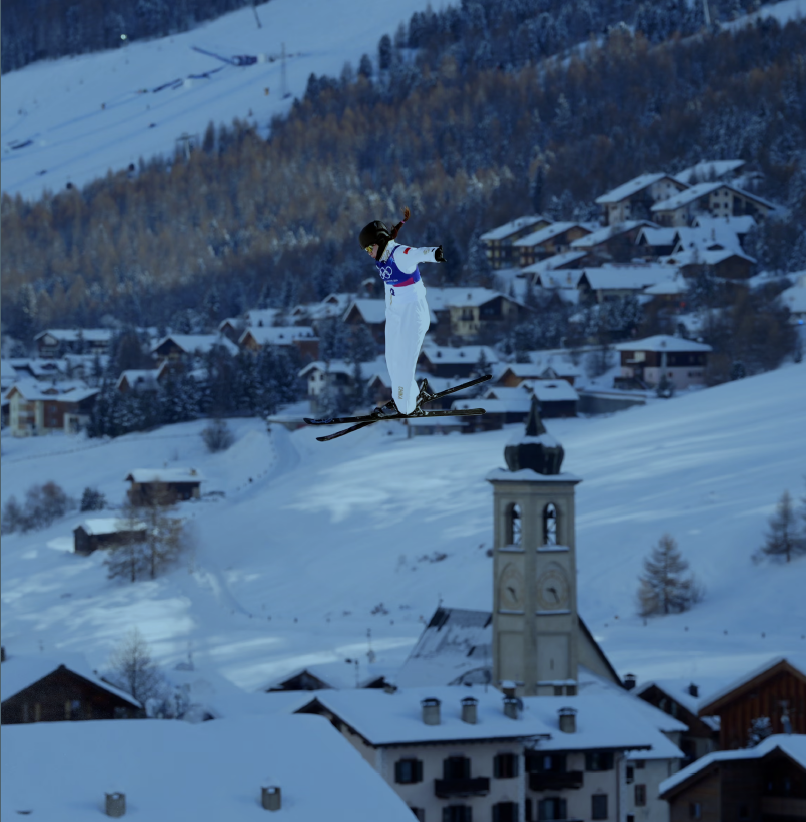
The Milano Cortina 2026 Winter Olympics has been a bit of a rollercoaster. On one hand, you’ve got the sheer thrill of Britain’s first-ever gold on snow, with Charlotte Bankes and Huw Nightingale making history in the snowboard cross . On the other, you can’t ignore the backdrop against which all the many wonderful sporting achievements unfolded.
However in terms of sustainability and the legacy of these Games, it feels like a real mixed bag.
The Wins: A Responsible Approach
Credit where it’s due, the organisers have genuinely tried to put their money where their mouth is, especially compared to the excessive construction we saw at some previous Games.
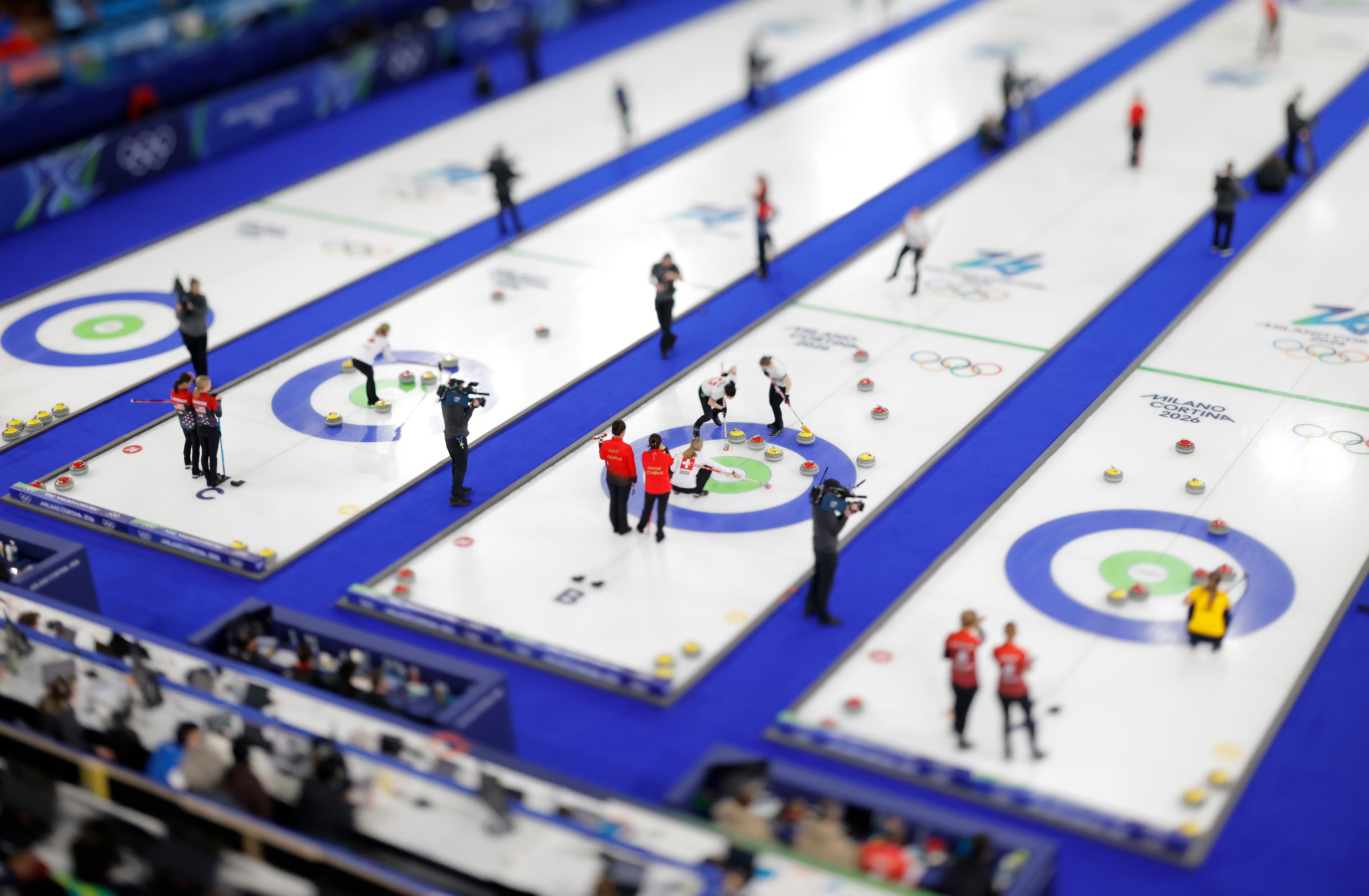
Using What’s Already There: The headline stat is that 85% of the competition venues were either existing or temporary . This is a massive win. Seeing iconic, historic venues like the Cortina Curling Stadium—first built for the 1956 Games—renovated rather than rebuilt from scratch is exactly what you want to see . It respects the heritage and avoids the “white elephant” problem.
Powering Up Cleanly: Almost all the venues are running on certified renewable electricity. Even the temporary generators, which are unavoidable, are running on renewable biofuel (HVO) rather than standard diesel . It’s a practical, sensible solution.
A Circular Economy: It was brilliant to hear they reused around 24,000 items of furniture and equipment from the Paris 2024 Summer Games . That kind of forward-thinking logistics is exactly the legacy we want to build between host cities.
A Legacy for Italians, Not Just Olympians: The legacy isn’t just about the two weeks of sport. The athletes’ village is designed to become student accommodation, and the Games are projected to create over 36,000 new jobs and a net economic benefit of over €5 billion for Italy . Over 2 million school kids got involved in educational programmes too . That’s a tangible, social legacy.
The Cracks in the Snow: The Sponsorship Contradiction
Although I enjoyed very much the absence of adverts and excessive advertising, this doesn’t mean that the Games didn’t escape the shadow of corporate sponsorship.
The ‘Torching the Future’ Paradox: The event is proudly sponsored by an oil and gas giant (Eni), a major car manufacturer (Stellantis), and an airline (ITA Airways) . It feels deeply hypocritical to watch athletes compete on fragile, climate-threatened snow while the boards around the track are advertising the very products driving the problem.
The Hidden Carbon Footprint: This isn’t just pearl-clutching. Reports from the New Weather Institute and Scientists for Global Responsibility estimate that the emissions induced by these sponsorship deals—through the companies’ own operations and advertising—could be 1.3 million tonnes of CO2. That’s actually 40% more than the entire carbon footprint of running the Games themselves . You can’t help but think of the irony when Italy has reportedly lost 265 ski resorts due to a lack of natural snow . It’s like selling tickets for a sinking ship while advertising the drill that made the hole.
The British Perspective: Fighting Above Our Weight
British athletes are at a disadvantage in that the country does not have reliable conditions for snow sports. Our entire winter sports programme operates on a fraction of the budget of the top nations .
This makes our success at these “sustainable” Games feel particularly poignant. We are, by necessity, the ultimate experts in working with what we’ve got, not building shiny new infrastructure. When Matt Weston and the skeleton squad bounce back from disappointment to win, or when Mia Brookes pushes the limits of freestyle, they embody a scrappy, efficient, and very British spirit of innovation .
A Bleak but Hopeful Future
Looking ahead to the 2030 Games in the French Alps, it’s clear that 2026 has started a vital conversation. There is growing public support (77% of Italians agree) to ban high-emission companies from sponsoring winter sports . The athletes themselves are speaking out, drafting open letters saying, “Oil companies don’t belong in the Olympics” . Although the Italians reversed the lack of sustainability of previous Olympics, it could have gone further.
So, as I reflect on the 2026 Games, I feel proud of Team GB’s resilience, in awe of many of the amazing Olympians from so many nations and cautiously optimistic about the operational side of hosting. I am pleased the boycott of Russia was maintained, although sadly rescinded for the Paralympics. But the lingering memory will be that uncomfortable contradiction: celebrating human endurance while platforming the forces that endanger the very snow we compete on.